Rajya Sabha MP Manoj Jha writes to PM Modi; seeks halt to demolition of Mohammad Ali Jauhar University buildings
Source Entity
India Latest News: Top National Headlines Today & Breaking News | The Hindu
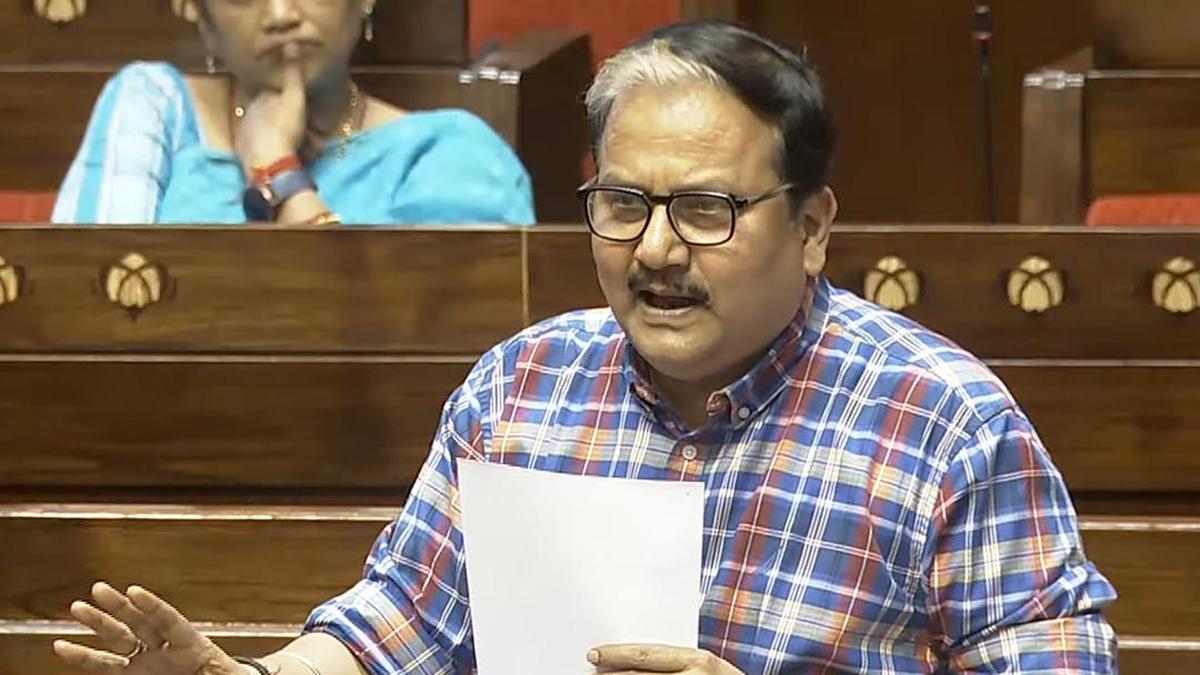
Rajya Sabha MP Manoj Jha has urged Prime Minister Modi to intervene and prevent the demolition of 38 buildings at Mohammad Ali Jauhar University. Jha argues the move is politically motivated and disproportionate, advocating for legal regulatory measures instead of destroying a functioning educational facility.
The Controversy Surrounding Mohammad Ali Jauhar University
Rajya Sabha MP Manoj Jha has officially petitioned Prime Minister Narendra Modi to intervene in the escalating situation involving Mohammad Ali Jauhar University in Rampur, Uttar Pradesh. The core of the dispute lies in a proposed demolition order targeting 38 out of the institution's 40 buildings. This development has sparked a significant debate regarding the intersection of administrative regulatory enforcement and the preservation of educational infrastructure.
The Argument for Proportionality
In his communication to the Prime Minister, Manoj Jha characterized the state’s proposed demolition as "grossly excessive." He emphasized that the university is a functioning educational establishment currently serving approximately 3,000 students. By highlighting that the institution was established under specific State legislation, Jha argues that the destruction of such a facility disrupts the academic futures of thousands, suggesting that the punishment of large-scale demolition is disproportionate to any alleged administrative or building approval irregularities.
Legal Standards and Due Process
Central to Jha’s appeal is the invocation of judicial precedent. He noted that the Supreme Court of India has consistently mandated that state actions—particularly those involving the demolition of property—must adhere to strict standards of due process, accountability, and proportionality. Jha suggests that if there are genuine regulatory concerns regarding the construction of the buildings, these issues should be resolved through standard legal and administrative frameworks rather than the immediate, physical dismantling of the campus structures.
Political Implications and Allegations
Beyond the administrative arguments, Jha has raised concerns that the demolition appears to be politically motivated. The university, which has been at the center of various legal and political controversies in Uttar Pradesh, is viewed by critics of the move as a target for state-level political agendas. By framing the demolition as an act of political retribution rather than a neutral enforcement of building codes, Jha has elevated the issue from a local zoning dispute to a matter of national concern regarding the protection of minority-led educational institutions.
Future Trends and Educational Impact
If the demolition proceeds, it would mark a significant precedent for how state governments handle regulatory non-compliance in educational sectors. The potential loss of 38 buildings would effectively cease the operation of a university that has been a long-standing fixture in Rampur. As the situation unfolds, the focus will likely remain on whether the central government chooses to intervene or whether the matter will be left entirely to the state-level legal processes. The case serves as a critical test for the balance between state authority and the protection of institutional stability in higher education.
Verification Required?