Marco Rubio backs Trump’s ‘America First’ foreign policy, says US will no longer put global order first
Source Entity
Latest News: Todays Latest News Headlines from India & World | Hindustan Times | Hindustan Times
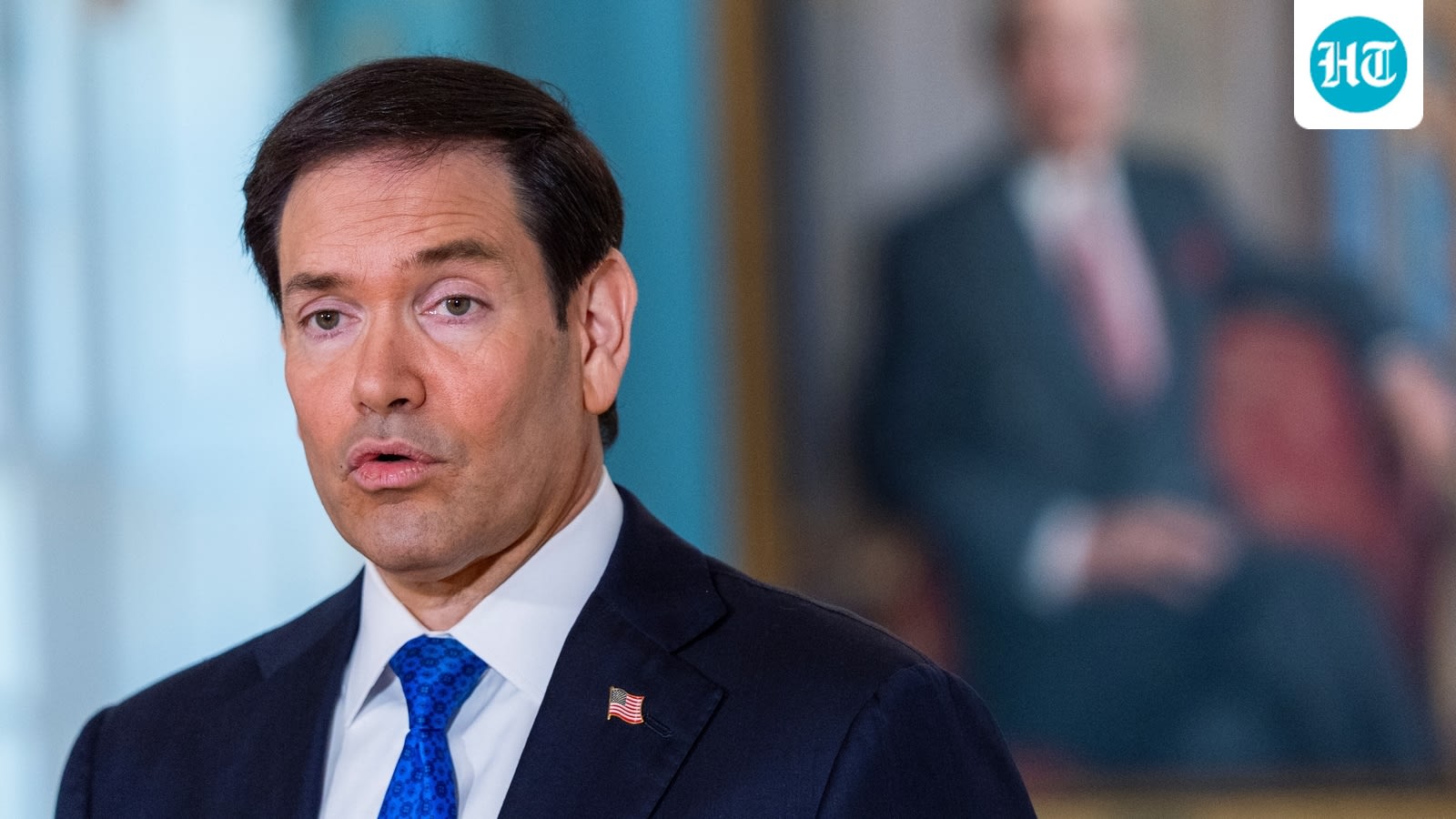
Secretary of State Marco Rubio has reaffirmed the Trump administration's commitment to an 'America First' foreign policy. The approach prioritizes national interests over traditional international institutions and global order.
A Paradigm Shift in American Diplomacy
Secretary of State Marco Rubio has formally signaled a definitive pivot in U.S. foreign policy, aligning firmly with President Donald Trump’s 'America First' doctrine. By explicitly stating that Washington will no longer prioritize the preservation of the existing global order over the direct interests of the United States, Rubio is articulating a fundamental restructuring of American diplomatic priorities. This shift marks a departure from the post-WWII consensus, where U.S. leadership was often defined by the stewardship of international institutions and collective security frameworks.
The Rationale Behind 'America First'
In his recent interview with Breitbart News, Rubio characterized this transition as a matter of common sense rather than a radical departure. The core argument rests on the premise that the primary obligation of the U.S. government is to secure its own economic and strategic interests. By placing national sovereignty at the center of the diplomatic agenda, the administration is signaling to both allies and adversaries that future U.S. engagement will be transactional, measured strictly by the tangible benefits provided to the American public.
Impact on International Institutions
This policy stance has significant implications for global governance, particularly regarding organizations like the United Nations. Following President Trump’s address to the UN General Assembly, it is clear that the administration views international bodies as tools to be leveraged only when they serve U.S. objectives. This skepticism toward multilateralism suggests that the United States may move toward more unilateral actions, potentially weakening the influence of established international norms and collective decision-making processes in favor of bilateral negotiations.
Managing Alliances in a New Era
While prioritizing national interests, Rubio noted that the administration intends to continue using diplomacy to manage differences with international allies. This suggests a nuanced approach: the United States will remain engaged with its traditional partners, but the terms of these alliances are being renegotiated. The expectation is that allies must contribute more significantly to their own security and economic stability, reflecting a diminished U.S. appetite for subsidizing the global security architecture.
Future Trends and Global Stability
Looking ahead, this policy trajectory indicates a more competitive and fragmented international environment. As the U.S. distances itself from its role as the primary guarantor of the global order, other powers may seek to fill the vacuum, potentially leading to increased geopolitical friction. The focus on 'America First' is likely to define the remainder of the current administration’s term, setting a precedent that will force international players to adapt to a reality where American commitment is no longer a guaranteed baseline but an earned variable.
Conclusion
Secretary of State Rubio’s defense of the 'America First' policy underscores a calculated effort to redefine America's role on the world stage. By prioritizing domestic interests over the maintenance of international institutions, the administration is reshaping the landscape of global diplomacy. Whether this strategy will successfully advance U.S. goals or inadvertently destabilize the international order remains one of the most critical questions in contemporary foreign affairs.
Verification Required?