Gangster Atiq Ahmed's Stronghold Kasari-Masari Renamed As Shrikrishnapuri
Source Entity
NDTV News Search Records Found 1000
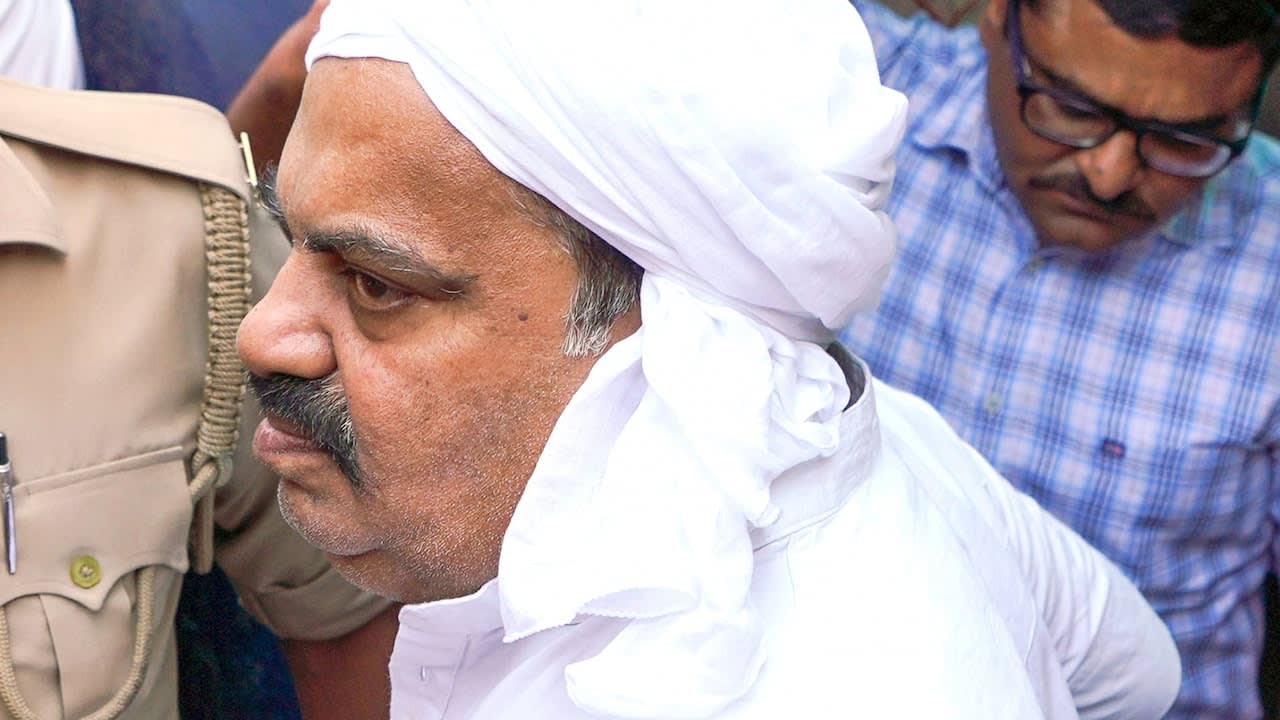
Uttar Pradesh CM Yogi Adityanath has announced the renaming of Prayagraj's Kasari-Masari locality to Shrikrishnapuri and a crossing after freedom fighter Masuriyadin Pasi. The former mafia stronghold will also host a new housing project for 1,200 poor families on reclaimed land.
Redefining Prayagraj: Urban Transformation and Symbolic Governance
Uttar Pradesh Chief Minister Yogi Adityanath’s recent visit to Prayagraj marks a significant shift in the city's urban identity and administrative narrative. By announcing the renaming of the Kasari-Masari locality to Shrikrishnapuri and proposing to name a local crossing after freedom fighter Mahashay Masuriyadin Pasi, the administration is actively working to overwrite the historical associations of certain areas while elevating figures it deems under-recognized in the national narrative.
Dismantling the 'Mafia' Legacy
The renaming of Kasari-Masari, formerly recognized as a stronghold of the late gangster-politician Atiq Ahmed, serves as a powerful symbolic act. By replacing a name linked to criminal influence with 'Shrikrishnapuri,' the government is signaling a definitive end to the era of mafia dominance in local urban governance. This is not merely a nomenclature change; it is part of a broader strategy to reclaim public spaces previously controlled by illicit actors.
Social Welfare on Reclaimed Ground
Beyond the symbolic renaming, the administration has taken tangible steps to repurpose land seized from criminal entities. The foundation stone for a housing colony designed for 1,200 poor families at the site demonstrates a policy of utilizing reclaimed land for public utility. By transitioning this land from the hands of the mafia to the hands of marginalized citizens, the government aims to establish a new social contract within the district.
Honoring the Forgotten Freedom Fighters
Simultaneously, the Chief Minister’s focus on Mahashay Masuriyadin Pasi highlights a deliberate effort to integrate localized historical figures into the mainstream memory of the state. By unveiling a statue at the Mahashay Masuriyadin Smarak Inter College and directing the mayor to rename a crossing in his honor, the state government is attempting to foster regional pride and provide historical role models for the younger generation.
Broader Implications and Future Trends
These developments suggest a long-term trend of 'identity-based' urban planning in Uttar Pradesh. The strategy combines infrastructure development, such as the construction of planned townships, with a cultural recalibration of the landscape. As the government continues to focus on 'correcting' historical narratives and eliminating the influence of past criminal power structures, residents of Prayagraj can expect further efforts to standardize and 'sanitize' the cultural geography of the city.
Conclusion
The dual approach of reclaiming land for the poor and renaming locations to reflect specific cultural and historical values encapsulates the current governance model in Uttar Pradesh. By linking urban renewal with the erasure of criminal legacies, the government is repositioning Prayagraj as a city defined by its new institutional identity rather than its past associations with organized crime.
Verification Required?