Stocks sink on Big Tech cash burn; oil hits $100 for first time since May
Source Entity
Yahoo Finance
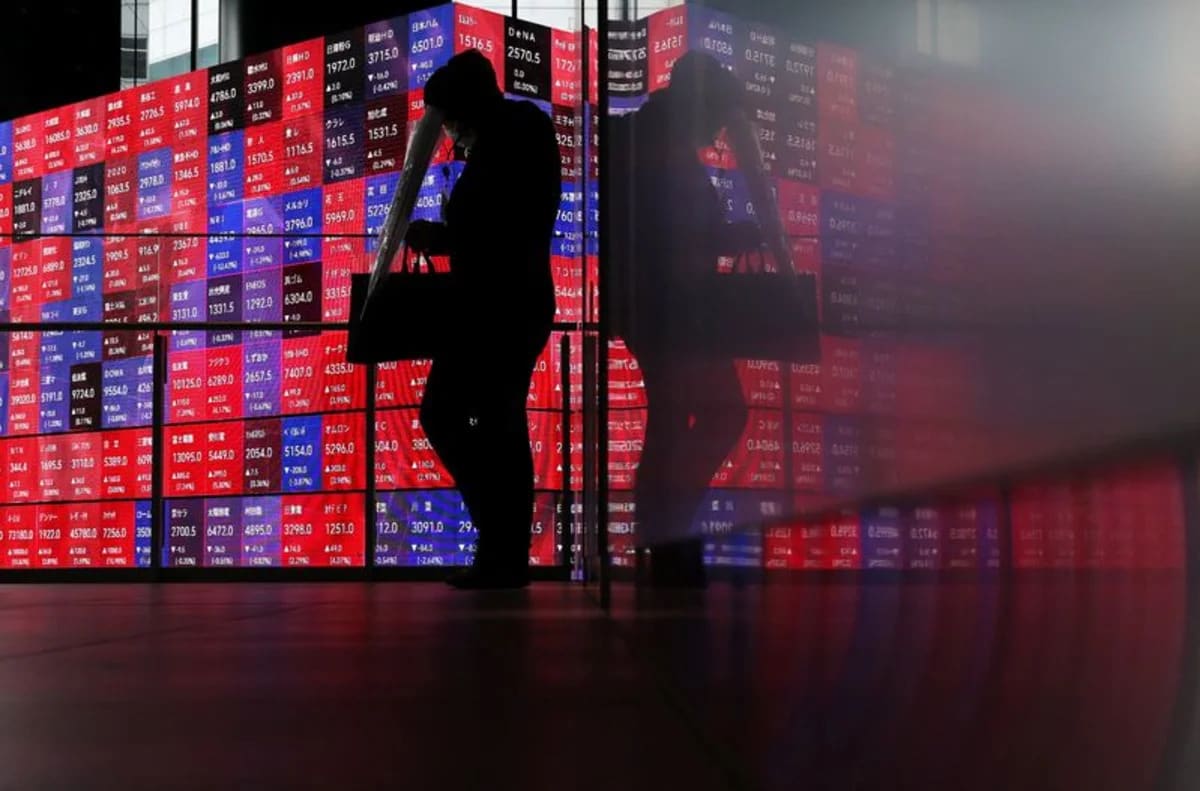
Global markets are reeling as oil prices hit $100 per barrel following Red Sea tanker attacks. Simultaneously, Alphabet shares are struggling as investors express concern over massive capital expenditures on AI chip development.
Market Volatility and the Energy Shock
The global financial landscape is currently experiencing a dual-front crisis, characterized by significant instability in energy markets and cooling investor sentiment toward Big Tech. On Thursday, Brent crude prices surged nearly 7%, reaching $100.5 a barrel for the first time since May. This dramatic spike was triggered by attacks on tankers in the Red Sea, effectively choking off a vital maritime artery for global energy transit. When combined with Iran's near-closure of the Strait of Hormuz, the supply chain for global oil has become severely compromised, creating an atmosphere of economic uncertainty that has rippled across international exchanges.
Geopolitical Tensions and Supply Constraints
The immediate cause of the oil price surge is tied to the actions of Yemen's Iran-aligned Houthis, who have implemented a naval blockade targeting Saudi Arabian oil tankers. This escalation marks a significant deterioration in regional stability, effectively ending any brief period of de-escalation between Iran and the United States. As these geopolitical hostilities intensify, the disruption to global oil supplies has forced borrowing costs in Europe to reach long-term highs, signaling that the energy shock is being felt acutely across both commodity and credit markets.
The Alphabet Conundrum: Capex vs. Innovation
While energy markets grapple with supply-side shocks, the technology sector—specifically Alphabet (GOOG, GOOGL)—is facing a reckoning regarding its capital expenditure (capex) strategy. Alphabet, previously the standout performer among the "Magnificent Seven," has seen its share price tumble following its second-quarter earnings release. Investors are increasingly spooked by the company’s massive spending, with second-quarter capex hitting $44.9 billion. This aggressive investment strategy has pushed the stock below its 100-day moving average, with technical analysts now eyeing a potential test of the 200-day moving average at approximately $323.
The "Frozen v2" Strategic Bet
Central to Alphabet's massive spending is the development of a proprietary chip, codenamed "Frozen v2," designed specifically to power its Gemini AI models. Industry reports suggest that this new hardware could be six to ten times more efficient than the existing tensor processing units (TPUs) developed in partnership with Broadcom. By creating a custom, full-stack hardware solution, Google aims to reclaim its competitive edge in the "battle of models," where its current offerings have struggled to break into the top 10 rankings. The project is seen as a high-stakes pivot, especially as the company navigates the delay of Gemini 3.5 Pro.
Future Trends and Investor Sentiment
The intersection of these events presents a challenging outlook for the remainder of the year. Alphabet’s attempt to "supercharge" its AI capabilities through the Frozen v2 project by 2028 is a long-term play that currently clashes with short-term investor demands for fiscal discipline. As Alphabet increases its full-year capex guidance to support these initiatives, the market’s technical warning signs suggest that the stock may face continued downward pressure. Ultimately, the company’s ability to monetize these massive AI investments will be the deciding factor in whether this current "cash burn" is viewed as a necessary evolution or a strategic misstep in an increasingly volatile global economy.