'Largest ever' attack on Moscow? Ukraine fires over 1,000 drones into Russia
Source Entity
PRANJAL PANDEY
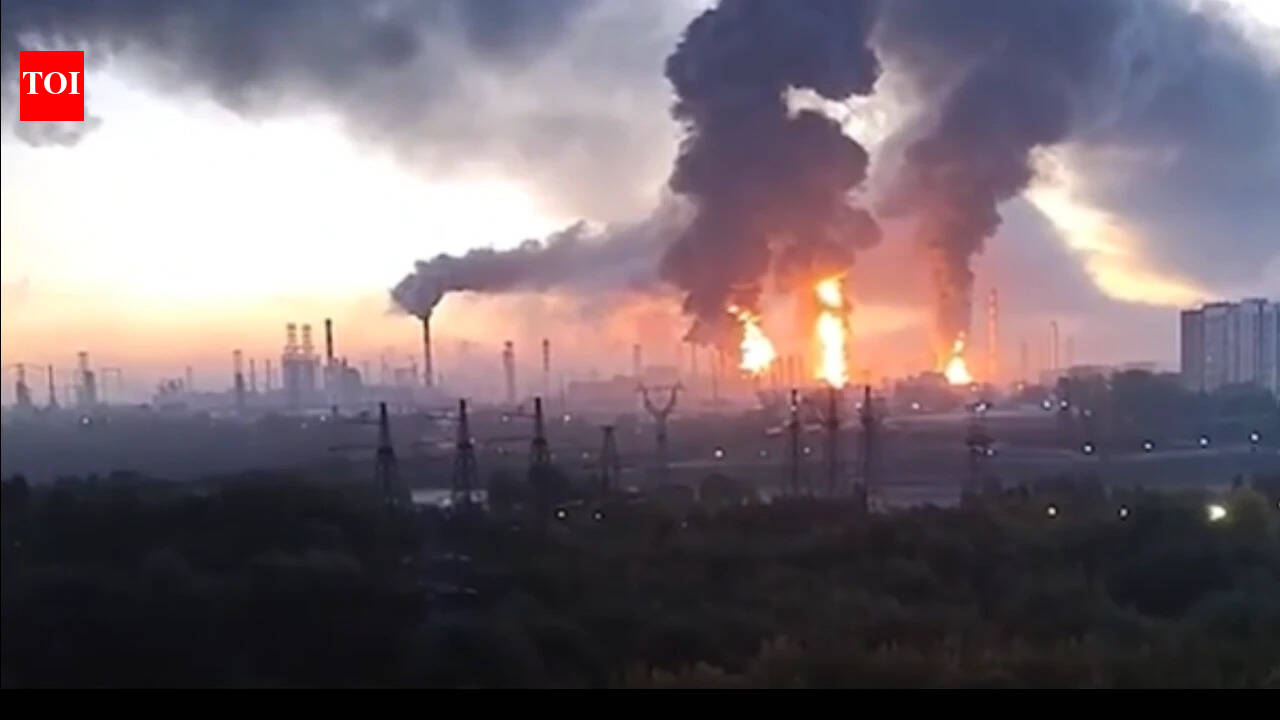
Ukraine launched a massive drone offensive against Moscow, resulting in significant damage and fires at the Moscow Oil Refinery. While no casualties were reported, the scale of the attack marks a significant escalation in the ongoing conflict.
Escalation in the Air: Moscow Under Siege
The ongoing conflict between Russia and Ukraine reached a new level of intensity this Sunday as Moscow faced what is being described as one of the largest drone attacks on the Russian capital to date. Reports indicate that over 1,000 drones were deployed across Russia overnight, signaling a significant shift in the operational scale of Ukraine's aerial capabilities. The primary target of concern during this assault was the Moscow Oil Refinery, a critical piece of energy infrastructure located within the capital's periphery.
Impact on Energy Infrastructure
According to Moscow Mayor Sergey Sobyanin and state agency TASS, a facility on the premises of the Moscow Oil Refinery sustained direct damage during the strike. Visual evidence surfacing from the scene shows large plumes of smoke and active fires breaking out at the site. The targeting of such a facility is highly strategic; by striking oil processing plants, Ukraine aims to disrupt the logistical and economic backbone that supports Russian military operations, potentially creating long-term supply chain challenges for the Russian state.
Strategic Implications of the Offensive
This incident is not merely an isolated skirmish but represents a broader, tactical shift toward deep-strike warfare. By bypassing traditional front lines and reaching the capital, these drone swarms force Russian air defense systems to spread their resources thin. The fact that the attack persisted for approximately four hours suggests a high level of coordination and a significant volume of ordinance, which challenges the perceived invulnerability of Russia's internal security perimeter.
The Human and Operational Cost
Despite the severity of the damage to the refinery infrastructure, Moscow officials have confirmed that there were no casualties in the immediate aftermath. However, the psychological and economic toll of such a massive, sustained attack on the capital cannot be understated. The persistent nature of the assault—lasting several hours—indicates that Ukrainian forces are increasingly capable of conducting prolonged operations deep within Russian territory, moving beyond simple reconnaissance or harassment.
Future Trends and Regional Stability
Looking ahead, this event marks a critical turning point in the conflict. As Ukraine continues to scale its drone production and deployment, the vulnerability of Russian industrial sites will likely become a recurring theme. The Kremlin will be forced to re-evaluate its domestic defense strategy, potentially diverting more military assets to protect key infrastructure. Conversely, this escalation may prompt a retaliatory response from Russia, further complicating the already volatile geopolitical landscape in Eastern Europe and increasing the risk of further infrastructure destruction.
Multiple Citing Sources