All Iranian airlines to be 'shut down' from Wednesday, Bessent tells CNBC
Source Entity
US Top News and Analysis
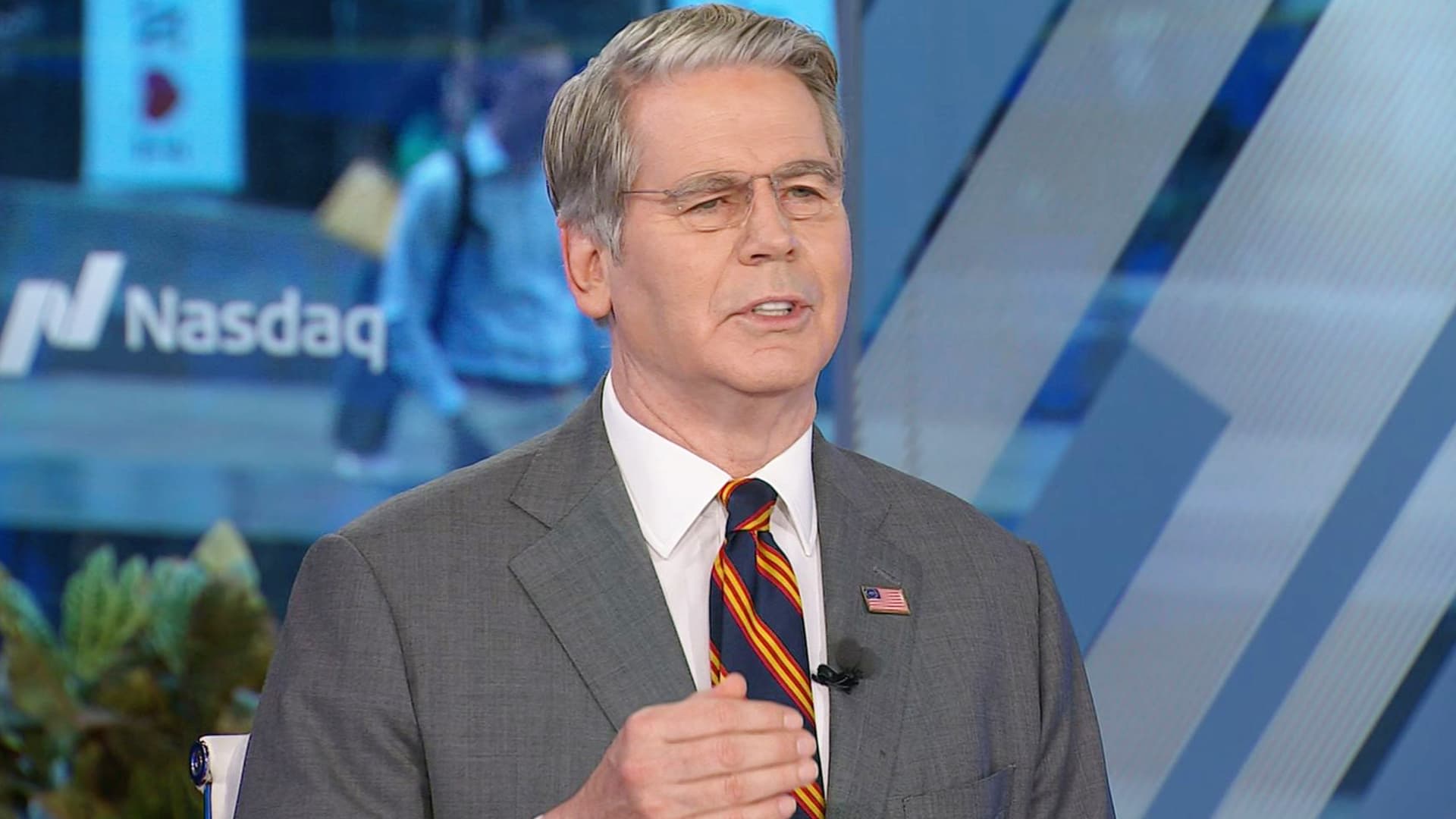
U.S. Treasury Secretary Scott Bessent has announced that Iranian airlines will face a global shutdown starting September 23. The U.S. plans to enforce this by threatening to cut off any entity that provides fuel, landing services, or ticketing for these flights from the U.S. dollar system.
U.S. Escalates Economic Pressure on Iran
In a significant escalation of geopolitical tensions, U.S. Treasury Secretary Scott Bessent announced that Iranian airlines are set to be grounded globally effective September 23, 2026. This move represents a novel and aggressive application of secondary sanctions, aimed at isolating Iran’s aviation sector by leveraging the dominance of the U.S. dollar in international commerce. By declaring that any entity providing fuel, landing services, or ticketing to these carriers will be barred from the U.S. financial system, the Treasury is effectively creating a compliance ultimatum for global airports and service providers.
The Mechanism of Financial Enforcement
The strategy described by Secretary Bessent hinges on the 'dollar system' as a coercive tool. Because the vast majority of international aviation services—including ground handling and refueling—are settled in U.S. dollars, the threat of being 'knocked out' of the dollar system is a powerful deterrent. This approach reflects a shift in U.S. policy toward what Bessent describes as pressuring Iran 'like never before,' moving beyond traditional trade embargoes to target the operational infrastructure of Iran's global connectivity.
Targeting the Enablers
This policy is not limited to airlines alone but extends to the broader ecosystem of Iran’s economic partners. Recent Treasury actions, including sanctions against Russia’s VTB Bank, signal a deliberate campaign to dismantle the financial networks that support Tehran. By targeting banks and institutions that facilitate Iranian business, the U.S. is seeking to create a systemic barrier that makes doing business with Iran a high-risk liability for any international entity.
Geopolitical Implications and China's Role
The effectiveness of these measures will largely depend on the reaction of major powers, most notably China. As one of Iran’s top economic partners and a key diplomatic backer, China’s willingness to comply with these secondary sanctions will be the primary test of this new U.S. strategy. If China and other key partners choose to circumvent these sanctions, it could lead to a broader fracturing of international financial cooperation, potentially pushing Iran and its allies toward alternative payment systems that operate outside the U.S. sphere of influence.
Historical Context and Future Trends
This move marks a departure from previous sanctions regimes that focused primarily on trade goods or oil exports. By targeting the physical mobility of a nation's aviation industry, the U.S. is engaging in a form of 'soft' blockade. Looking ahead, this trend suggests a future where economic warfare is increasingly defined by access to financial infrastructure rather than traditional port blockades. If the September 23 deadline results in a successful grounding of Iranian flights, it may set a new precedent for how the U.S. utilizes its financial hegemony to neutralize foreign state capabilities without direct military engagement.
Conclusion
The global grounding of Iranian airlines, as spearheaded by the U.S. Treasury, is a high-stakes gamble. By forcing a choice between the Iranian market and the U.S. dollar, Washington is testing the limits of its secondary sanctions authority. The success of this policy will depend on whether global service providers prioritize their access to the U.S. financial system over their contracts with Iranian entities, potentially marking a pivotal moment in the ongoing economic tension between the United States and Iran.