Pune pandal recreates Strait of Hormuz crisis to explain oil price hikes
Source Entity
The Indian Express
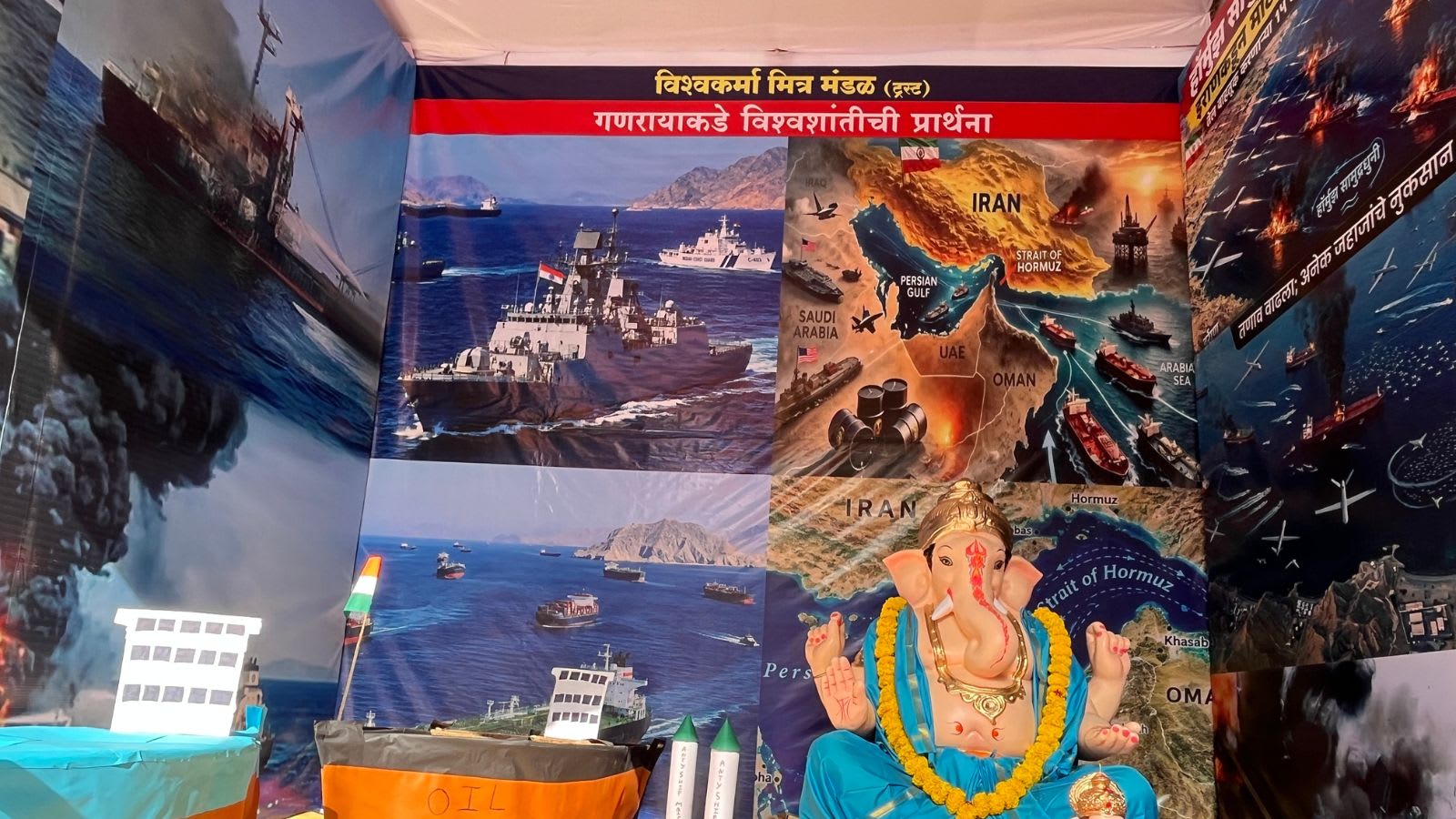
A Pune-based Ganesh pandal has uniquely depicted the geopolitical tensions in the Strait of Hormuz. The installation aims to educate the public on how international maritime conflicts directly influence domestic oil prices.
Bridging Local Tradition and Global Geopolitics
In an innovative departure from the traditional mythological themes typical of the Ganesh Chaturthi festival, the Vishwakarma Mitra Mandal Trust in Narayan Peth, Pune, has transformed its pandal into a geopolitical classroom. By focusing on the volatile Strait of Hormuz, the organizers are bridging the gap between local cultural celebrations and the complex realities of international trade. This installation serves as an educational tool, moving beyond religious observance to foster public discourse on global affairs.
The Strategic Significance of the Strait of Hormuz
The choice of the Strait of Hormuz as a focal point is deeply significant, as it represents one of the world's most critical maritime chokepoints. Roughly one-fifth of the world’s petroleum consumption passes through this narrow passage between Oman and Iran. By creating a physical representation of naval standoffs and missile threats in their pandal, the organizers are highlighting how vulnerable global supply chains are to localized regional conflicts, providing a visual narrative that makes abstract economic data accessible to the average visitor.
Visualizing Economic Impacts on Domestic Life
At the heart of this exhibit is the intention to explain the direct correlation between international maritime security and the price of fuel in India. The display, featuring mock Indian-flagged ships, forces viewers to confront the reality that oil prices at their local pump are not merely a result of domestic policy, but are heavily influenced by the stability of international shipping lanes. This creative approach demystifies the complex mechanism of global energy logistics for the community.
The Intersection of Public Art and Awareness
Public festivals in India have long served as platforms for social and political messaging, a tradition dating back to the freedom struggle when Bal Gangadhar Tilak used the public celebration of Ganesh Chaturthi to encourage unity against colonial rule. The Vishwakarma Mitra Mandal Trust is continuing this legacy by utilizing the pandal as a medium for modern civic education. This installation succeeds by transforming a religious space into an interactive center for geopolitical literacy.
Future Trends in Festival Storytelling
This movement toward 'edutainment' in public festivals suggests a shifting trend where organizers seek to make their installations more relevant to contemporary global concerns. As citizens become more interconnected through global markets, the demand for such context-heavy displays is likely to grow. The Pune pandal sets a precedent for how community-led events can effectively communicate sophisticated topics like supply chain security, naval geopolitics, and international relations to a diverse audience.
Conclusion
Ultimately, the initiative in Narayan Peth serves as a compelling example of how cultural events can evolve to meet the needs of an informed citizenry. By simplifying the complexities of the Strait of Hormuz crisis, the organizers have successfully fostered a deeper understanding of the global forces that shape the daily economic lives of Indians. This installation stands as a testament to the power of public art in bridging the distance between global crises and local realities.