'Cancerous influence in their life': Princess Diana's brother on Harry-Meghan media coverage
Source Entity
Latest News: Todays Latest News Headlines from India & World | Hindustan Times | Hindustan Times
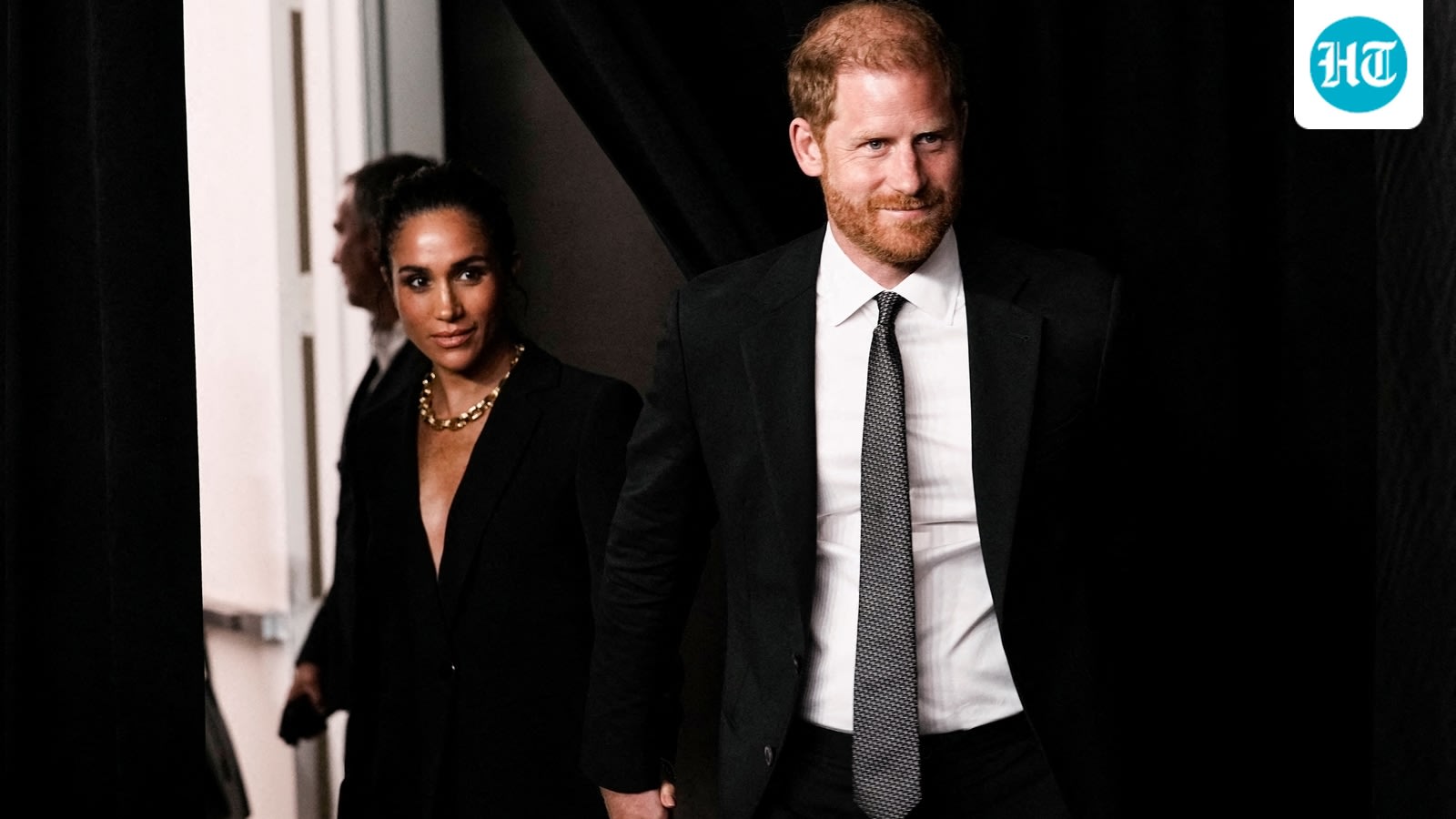
Earl Spencer has drawn parallels between the intense media scrutiny faced by his late sister, Princess Diana, and the current treatment of Prince Harry and Meghan Markle. He described the persistent tabloid criticism as a 'cancerous influence' that mirrors the distress Diana experienced during her life.
The Echoes of History: Earl Spencer on Media Scrutiny
In a recent interview with the BBC, Charles Spencer, the 9th Earl Spencer, offered a poignant reflection on the parallels between the media treatment of his late sister, Diana, Princess of Wales, and the current experiences of the Duke and Duchess of Sussex, Prince Harry and Meghan Markle. Spencer’s observations, shared during a conversation with Laura Kuenssberg at his Althorp estate, highlight a recurring pattern of intense public scrutiny that he argues has had a detrimental impact on the mental and emotional well-being of those within the royal sphere.
The Human Cost of Constant Criticism
Earl Spencer emphasized the profound personal toll that relentless tabloid coverage took on Princess Diana, describing her as being "brought low" by the constant stream of negative reports. He recounted witnessing her "tears of despair," noting that she was particularly sensitive to criticism. By drawing a direct line between her experience and that of Harry and Meghan, Spencer posits that the modern media landscape continues to exert a "cancerous influence" on the lives of individuals who find themselves the subjects of daily, often vitriolic, reporting.
Learning from the Past
Central to Spencer’s commentary is the belief that society, and the media at large, have failed to "learn from Diana's example." Despite the tragic circumstances surrounding Diana's life and her eventual passing, Spencer observes that the mechanisms of tabloid journalism have not evolved to prioritize the humanity of their subjects. He characterizes the nature of these reports as "really, really unpleasant," suggesting that the cycle of destruction remains unchanged, even as it targets a new generation of the Royal Family.
The Shift to California and Beyond
This dialogue takes place against the backdrop of Prince Harry and Meghan Markle’s significant life changes. Following their decision to step back from royal duties in 2020 and their subsequent relocation to California, the couple has sought to carve out a life outside the immediate purview of the British press. However, as noted in the reports, their recent returns to the UK have reignited the intense media focus that Spencer decries, illustrating the difficulty of escaping a narrative that has followed the family for decades.
Broader Implications for Media Ethics
Spencer’s intervention serves as a critical commentary on the ethics of celebrity journalism. By labeling the media's behavior as a "cancerous influence," he challenges the industry to reconsider the threshold between public interest and private harassment. His remarks suggest that without a fundamental shift in how the press engages with high-profile individuals, the cycle of trauma experienced by previous generations is doomed to repeat itself.
Conclusion: A Call for Reflection
Ultimately, Earl Spencer’s interview serves as a somber reminder of the enduring legacy of Diana’s struggles. By speaking out, he invites a public conversation about the responsibility of the media and the necessity of empathy. As Harry and Meghan continue to navigate their roles, the echoes of the past remain a potent reminder of the high price often paid by those who live under the world's most intense, and often unforgiving, spotlight.
Multiple Citing Sources
Verification Required?