MCD, NDDB sign pact to set up biogas plants to utilise dairy waste
Source Entity
The Indian Express
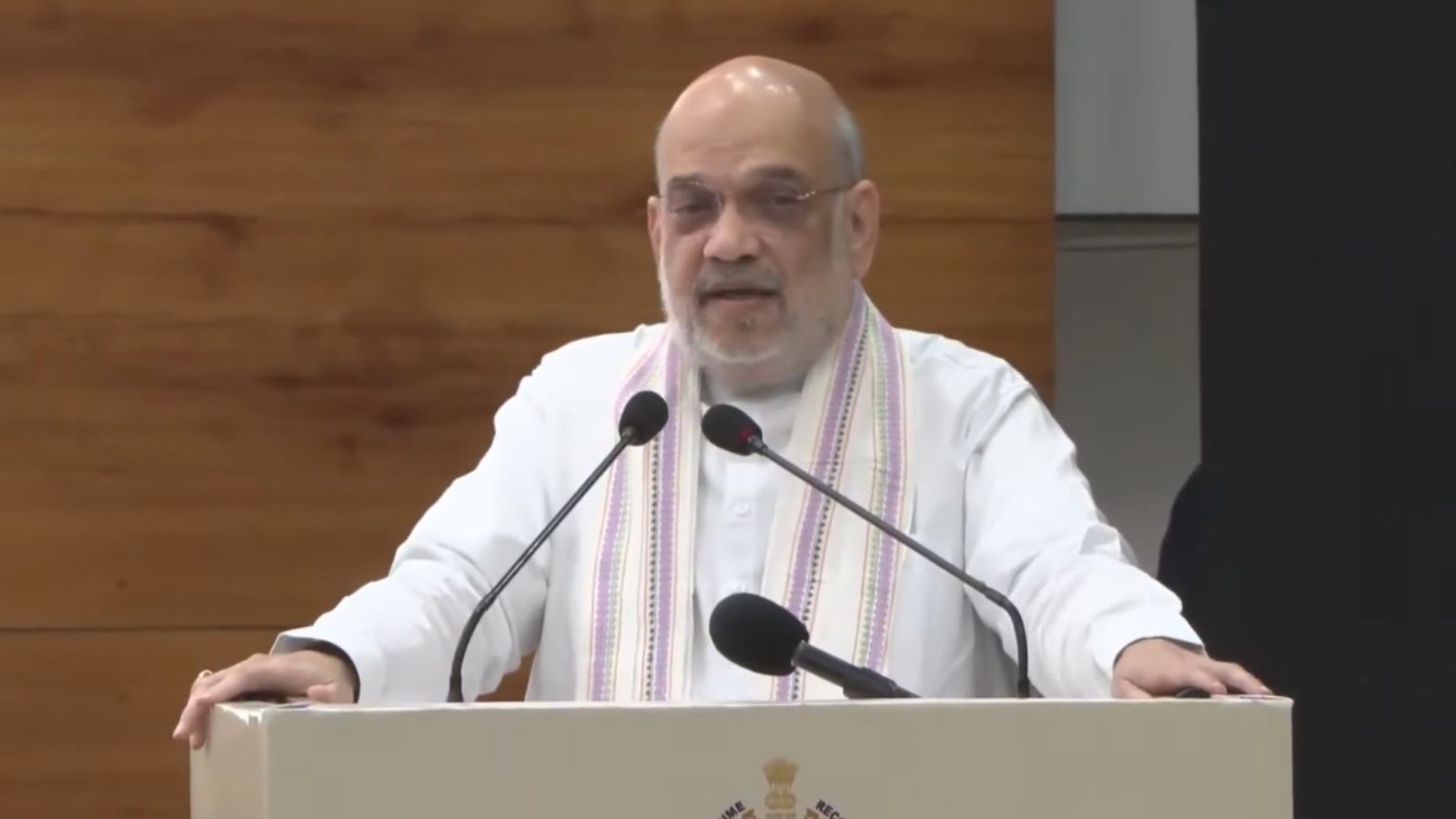
The Municipal Corporation of Delhi (MCD) and the National Dairy Development Board (NDDB) have signed a strategic agreement to establish biogas plants that utilize dairy waste, aiming to enhance urban cleanliness and increase the income of livestock farmers.
Transforming Urban Waste into Energy: The MCD-NDDB Strategic Partnership
In a significant move toward sustainable urban management, the Municipal Corporation of Delhi (MCD) and the National Dairy Development Board (NDDB) have entered into a formal agreement to establish biogas plants specifically designed to process dairy waste. This initiative, highlighted by Union Home Minister Amit Shah, represents a critical shift in how metropolitan centers approach organic waste. By integrating dairy waste management into the city's infrastructure, the partnership seeks to address two primary challenges: the mounting pressure on urban landfills and the need for sustainable energy sources.
The Mechanics of Waste-to-Energy Conversion
At the core of this pact is the technical transition from traditional waste disposal to a circular economy model. Dairy waste, which is often a significant pollutant in peri-urban and urban areas, is rich in organic matter that can be converted into biogas through anaerobic digestion. This process not only mitigates the environmental hazards associated with raw waste dumping—such as groundwater contamination and the release of methane—but also produces a clean fuel source. By leveraging the NDDB's technical expertise in dairy management and the MCD's administrative reach, the project creates a streamlined pipeline from waste collection to energy production.
Economic Empowerment for Livestock Farmers
Beyond the environmental benefits, this initiative carries substantial socioeconomic implications for the livestock farming community. As noted by Amit Shah, the agreement is designed to increase the income of livestock farmers. By creating a formalized system for the collection and sale of dairy waste to these biogas plants, farmers gain a new revenue stream from a byproduct that was previously considered a liability. Furthermore, the byproduct of biogas production—digestate—serves as a high-quality organic fertilizer, which can be redistributed to farmers to reduce their reliance on chemical fertilizers, thereby lowering production costs and improving soil health.
Advancing Urban Cleanliness and Public Health
From a public health perspective, the removal of accumulated dairy waste from urban fringes is a vital step in improving the overall hygiene of the national capital. Open dairy waste often attracts pests and contributes to foul odors, creating unsanitary conditions for nearby residents. By institutionalizing the collection and processing of this waste, the MCD can significantly reduce the biological load on city drainage systems and landfills. This aligns with the broader national vision of creating 'clean cities,' transforming the urban landscape into a more breathable and hygienic environment for millions of citizens.
Scaling the Model: A Blueprint for Indian Metropolises
One of the most critical aspects of this agreement is its intended role as a scalable prototype. Amit Shah explicitly mentioned that this initiative will serve as a model for all major cities across India. Given that many Indian cities struggle with similar waste management crises and possess large dairy populations, the MCD-NDDB framework provides a replicable blueprint. If successful in Delhi, this model could be exported to other Tier-1 and Tier-2 cities, creating a nationwide network of biogas plants that decentralize energy production and standardize organic waste management.
Conclusion: A Step Toward a Greener Future
The partnership between the MCD and NDDB is more than a local waste management project; it is a strategic intersection of environmental sustainability, economic incentive, and urban planning. By converting a pollutant into a resource, the initiative addresses the urgent need for carbon footprint reduction while simultaneously uplifting the rural-urban economic bridge. As these plants become operational, the success of this model will likely accelerate India's transition toward a bio-based economy, proving that urban cleanliness and agricultural profitability can go hand-in-hand.