Power of the name: Why ‘Mecca’ matters in new defence pact
Source Entity
The Indian Express
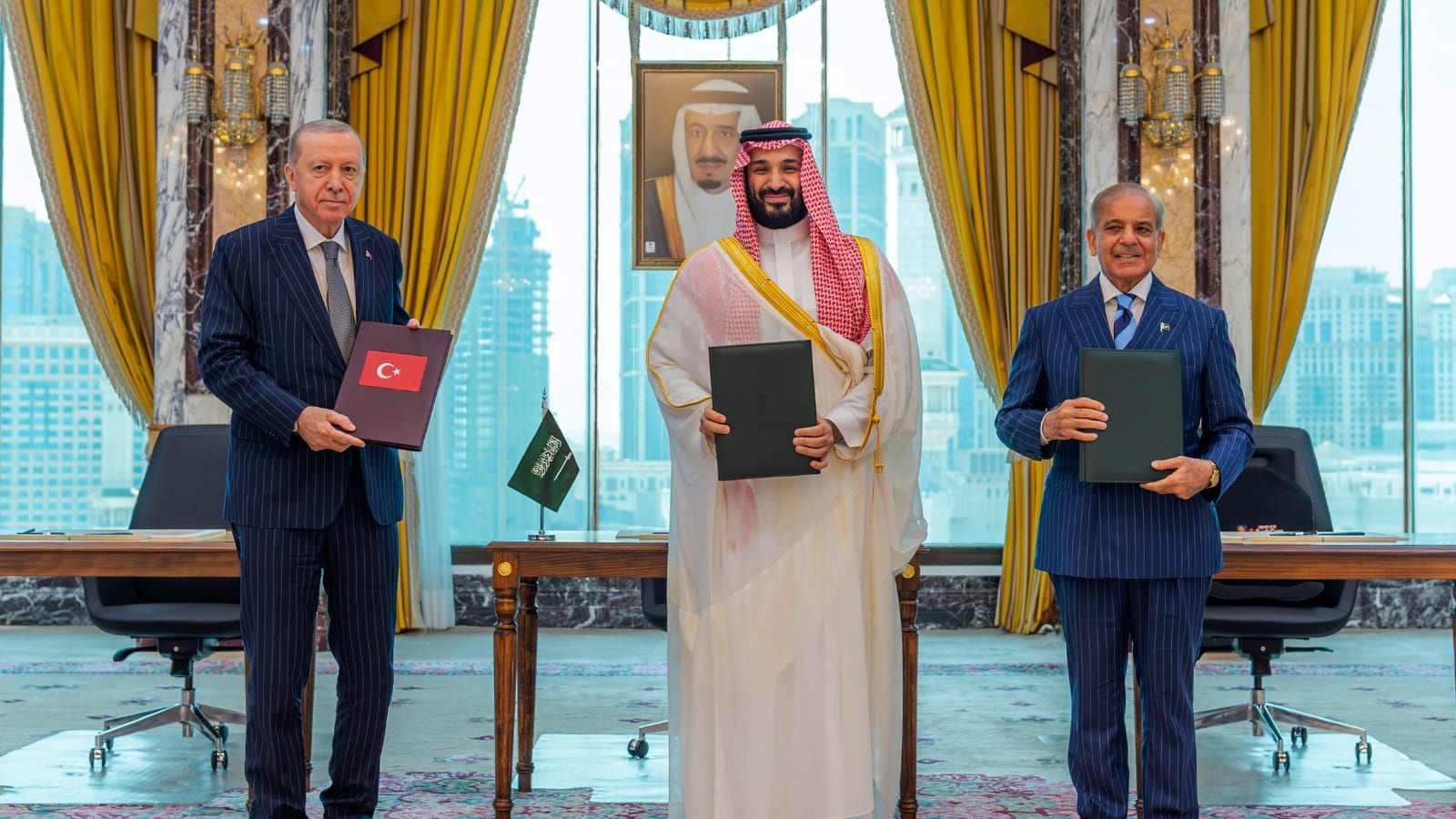
Saudi Arabia, Pakistan, and Türkiye have signed the 'Mecca Joint Defence Agreement,' a pact that transcends traditional military cooperation through its highly symbolic name. The choice of title leverages the profound cultural and religious significance of Mecca to strengthen the political and strategic cohesion of the signatories.
The Strategic Weight of Symbolism: The Mecca Joint Defence Agreement
On 7 August 2026, a significant geopolitical shift occurred as Saudi Arabia, Pakistan, and Türkiye formalized a landmark defence agreement. While the technical components of the pact focus on hard-power realpolitik and military cooperation, the decision to name the treaty the 'Mecca Joint Defence Agreement' signals a departure from traditional, utilitarian nomenclature. By eschewing administrative labels like the 'Riyadh-Islamabad-Ankara Joint Defence Agreement,' the signatories have consciously imbued the alliance with a profound sense of shared identity and purpose.
The Power of Sacred Geography
The selection of 'Mecca' as the title is far from incidental. As the birthplace of Prophet Muhammad and the holiest site in the Islamic faith, Mecca serves as a powerful unifying symbol. By anchoring a military treaty to this location, the participating nations are not merely establishing a defense bloc; they are framing the agreement within a broader cultural and religious context. This linguistic choice elevates the pact from a transactional arrangement to a symbolic commitment that resonates deeply with the populations of the three nations.
Framing Political Reality
In international relations, the 'framing' of a treaty is as critical as its substantive clauses. Governments utilize names and titles as strategic tools to shape public perception and define the nature of their alliances. By utilizing a term that evokes collective religious heritage, the signatories are signaling that this defense pact is deeply rooted in shared values. This creates a psychological framework that makes the alliance appear more natural and enduring to both domestic audiences and the international community.
Implications for Regional Realpolitik
While the agreement is grounded in military cooperation, the symbolic naming suggests that the alliance is intended to project a unified front on the global stage. By tying their security interests to the name of a sacred site, these nations are essentially asserting a form of soft power that complements their hard-power objectives. This strategy suggests that the signatories view their military collaboration as an extension of a broader, value-based partnership that transcends mere geopolitical expediency.
Future Trends in Diplomatic Branding
This development points toward a growing trend where nations leverage cultural and religious symbols to strengthen strategic ties. Future treaties in the region may increasingly utilize such nomenclature to foster deeper public buy-in and emphasize shared historical or spiritual narratives. As the 'Mecca Joint Defence Agreement' takes effect, it will likely serve as a case study for how symbolic diplomacy can be used to solidify defense blocs in a complex, multipolar world.
Conclusion
The Mecca Joint Defence Agreement represents a sophisticated synthesis of military strategy and symbolic communication. By aligning the formal title of the treaty with one of the most significant symbols in the Muslim world, Saudi Arabia, Pakistan, and Türkiye have created a powerful narrative of unity. This pact stands as a testament to the fact that in modern diplomacy, the power of a name can be just as influential as the strength of the military forces it represents.