22-year-old youth wanted in J&K terror-related case arrested in Meerut
Source Entity
Bhupendra Pandey
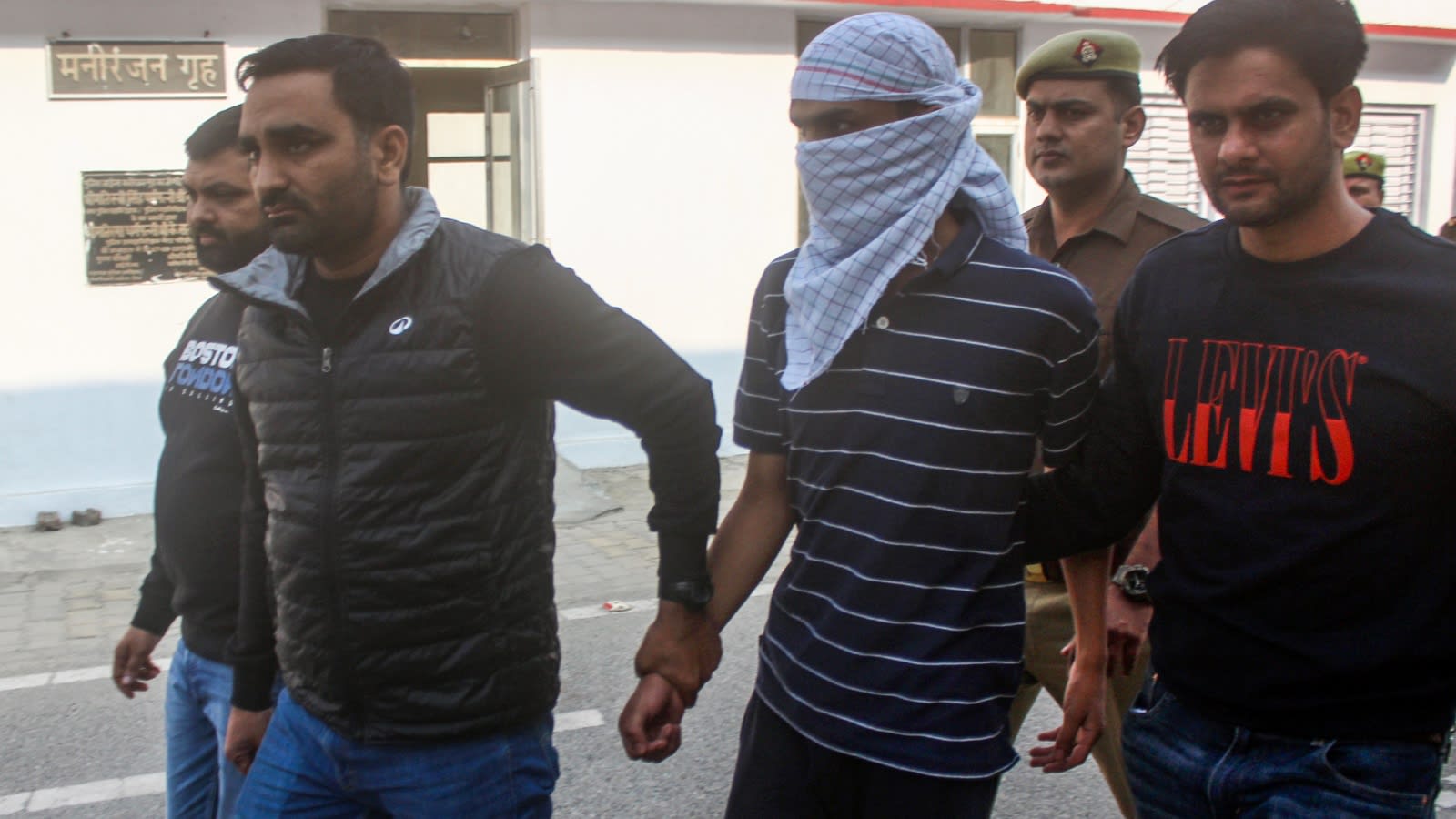
Meerut police have arrested 22-year-old Mohd Uzaid for his alleged involvement in a Pakistan-backed terror plot to attack an Army camp. The suspect, who had been absconding for ten months, was linked to radicalization networks and encrypted social media groups.
Arrest in Meerut: Uncovering a Cross-Border Terror Plot
In a significant security operation, the Uttar Pradesh Police, in collaboration with specialized units, have arrested 22-year-old Mohd Uzaid in Meerut. The suspect, a resident of the city’s Baniapara locality, had been on the run for nearly ten months following allegations of his involvement in a terror-related case registered in Jammu and Kashmir. His apprehension marks a critical breakthrough in dismantling an online radicalization network that police claim was orchestrated to facilitate a 'fidayeen' (suicide) attack on an Army camp.
The Mechanics of the Radicalization Network
According to Senior Superintendent of Police (SSP) BBGTS Murthy, Uzaid’s activities were not isolated. Investigations revealed that he was in close contact with a Jammu-based resident named Mohammad Sajid. Together, they allegedly operated an online network supported by a Pakistan-based gangster identified as Shahzad Bhatti. The group’s modus operandi involved using encrypted social media platforms to disseminate inflammatory content and radicalize local teenagers, drawing them into a dangerous cycle of anti-India sentiment and militant planning.
Digital Influence and Terror Ideology
Evidence suggests that Uzaid was heavily influenced by extremist propaganda, specifically consuming 'anti-India' content via Instagram and YouTube. Officials have noted that he drew ideological inspiration from Masood Azhar, the leader of the Pakistan-based terror organization Jaish-e-Mohammed. By leveraging these digital platforms, Uzaid allegedly sought to recruit impressionable youth, forwarding extremist material and participating in the logistics of planning attacks against military installations.
A Long Pursuit and Joint Intelligence Efforts
The arrest follows a protracted manhunt that began earlier this year. In January and February 2026, a joint team from the Jammu and Kashmir Police and local Meerut authorities conducted raids at Uzaid’s residence, but he had managed to evade capture at the time. The subsequent success of the Kotwali police and the SWAT team in finally locating and detaining him underscores the efficacy of inter-state intelligence sharing and persistent monitoring of suspected terror nodes.
Broader Security Implications
This case highlights the evolving nature of modern terrorism, where physical borders are increasingly bypassed by digital recruitment and radicalization. The use of encrypted communication to plot physical attacks on sensitive military locations presents a complex challenge for Indian security agencies. By neutralizing this cell, authorities have disrupted a potentially catastrophic event, yet the incident serves as a stark reminder of the persistent threat posed by Pakistan-backed proxies attempting to destabilize security in Jammu and Kashmir and beyond.
Conclusion
Following his arrest, Uzaid is set to be handed over to the Jammu and Kashmir Police to face charges of conspiracy, abetment, and inciting terrorism. As the investigation continues, the focus will likely remain on dismantling the remaining links in the network and understanding the full scope of the communication between the Meerut-based operative and his handlers abroad. This arrest stands as a testament to the ongoing vigilance of law enforcement in tracking the digital footprints of terror suspects across the country.
Multiple Citing Sources