Messi on the brink of history - will it be his last World Cup game?
Source Entity
BBC News
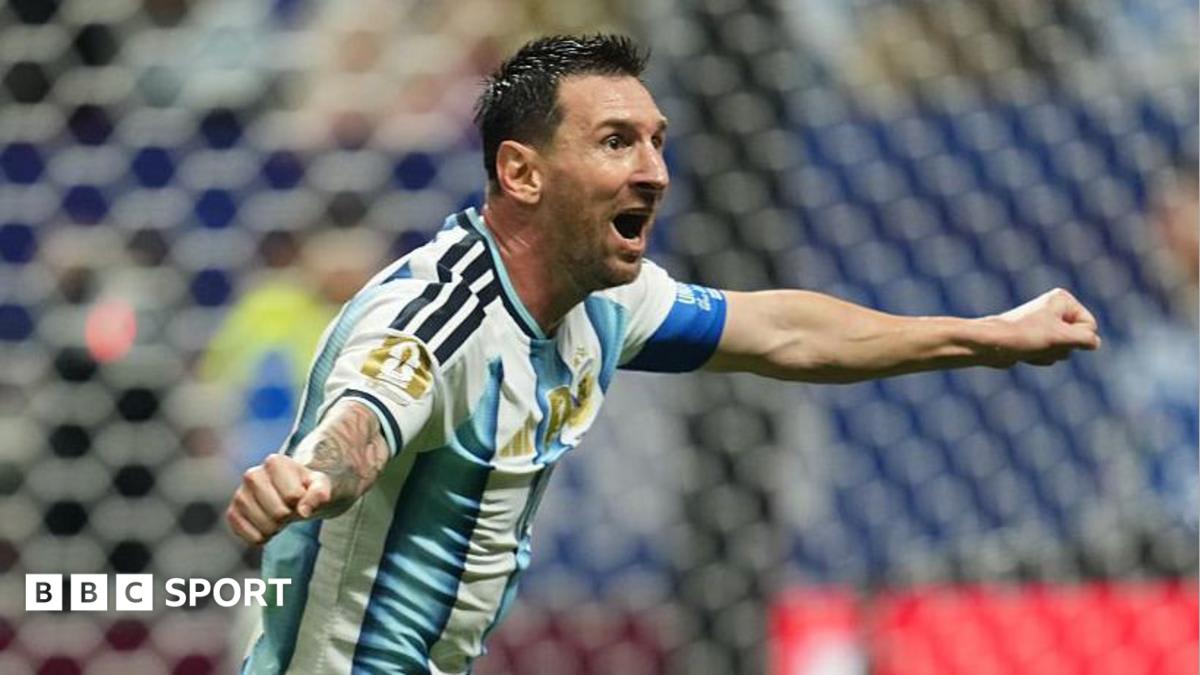
Lionel Messi reaches a milestone with his 34th World Cup appearance in the final, sparking speculation about his future. He could potentially play in the 2030 tournament to become the oldest outfield player in history.
The Twilight or a New Dawn? Analyzing Lionel Messi's World Cup Legacy
As the footballing world converges on Sunday's final, Argentina captain Lionel Messi stands on the precipice of history. By stepping onto the pitch for his 34th World Cup match, Messi is not merely competing for a trophy, but cementing a statistical legacy of longevity and excellence that is virtually unprecedented in the modern era. The central question surrounding this milestone is whether this match represents the culmination of his international journey or a stepping stone toward an even more audacious goal: the 2030 World Cup.
The Quest for the Age Record
One of the most intriguing prospects discussed is the possibility of Messi continuing his tenure with the national side until 2030. Should he choose to participate in that tournament, Messi would be 43 years old, which would potentially crown him as the oldest outfield player to ever appear in a World Cup. This pursuit of longevity creates a fascinating parallel with his long-time rival, Cristiano Ronaldo. The record is not yet guaranteed, as it hinges on whether Ronaldo also opts to extend his own international career with Portugal. This competitive dynamic between the two greatest players of their generation continues to drive the boundaries of athletic endurance.
The Emotional Pull of the Centenary Matches
Beyond the pursuit of records, there is a profound emotional and historical incentive for Messi to remain active until 2030. The next World Cup is slated to feature centenary matches held in Argentina, marking the 100th anniversary of the tournament's inception. For Messi, the opportunity to play in these opening matches on home soil would provide a poetic symmetry to his career. The cultural significance of Argentina hosting these matches adds a layer of national pride that could outweigh the physical toll of playing into his early forties.
Expert Analysis on Motivation and Form
Spanish football expert Guillem Balague suggests that the narrative of Messi's retirement may be premature. Balague emphasizes that Messi's primary driver is the sheer enjoyment of the game. According to Balague, the joy Messi derives from playing for the national side is a powerful motivator that often defies conventional retirement timelines. This perspective is reinforced by Messi's current professional status; his continued performance and integration at Inter Miami in the MLS suggest that he remains physically and mentally capable of competing at a high level, making the idea of a sudden international exit seem unlikely.
The Evolution of Athlete Longevity
Messi's potential trajectory toward 2030 reflects a broader trend in global sports where advancements in sports science, nutrition, and recovery are extending the peak years of elite athletes. By potentially playing at 43, Messi would be challenging the traditional perception of the 'outfield player's' expiration date. This shift suggests that the future of football may see more veterans maintaining their influence well into their forties, provided they possess the technical mastery and psychological resilience that Messi exemplifies.
Conclusion: A Legacy in Motion
In summary, while the immediate focus remains on the high-stakes drama of Sunday's final, the long-term implications of Messi's career are vast. Between the lure of the 2030 centenary matches in Argentina and the chance to eclipse records for the oldest outfield player, the incentives for Messi to continue are significant. Whether he decides to stop now or push toward another record-breaking milestone, his 34th match marks a pivotal moment in the history of the sport.