Meta’s $18 billion settlement puts TikTok and YouTube on notice. Who's next on the firing line?
Source Entity
US Top News and Analysis
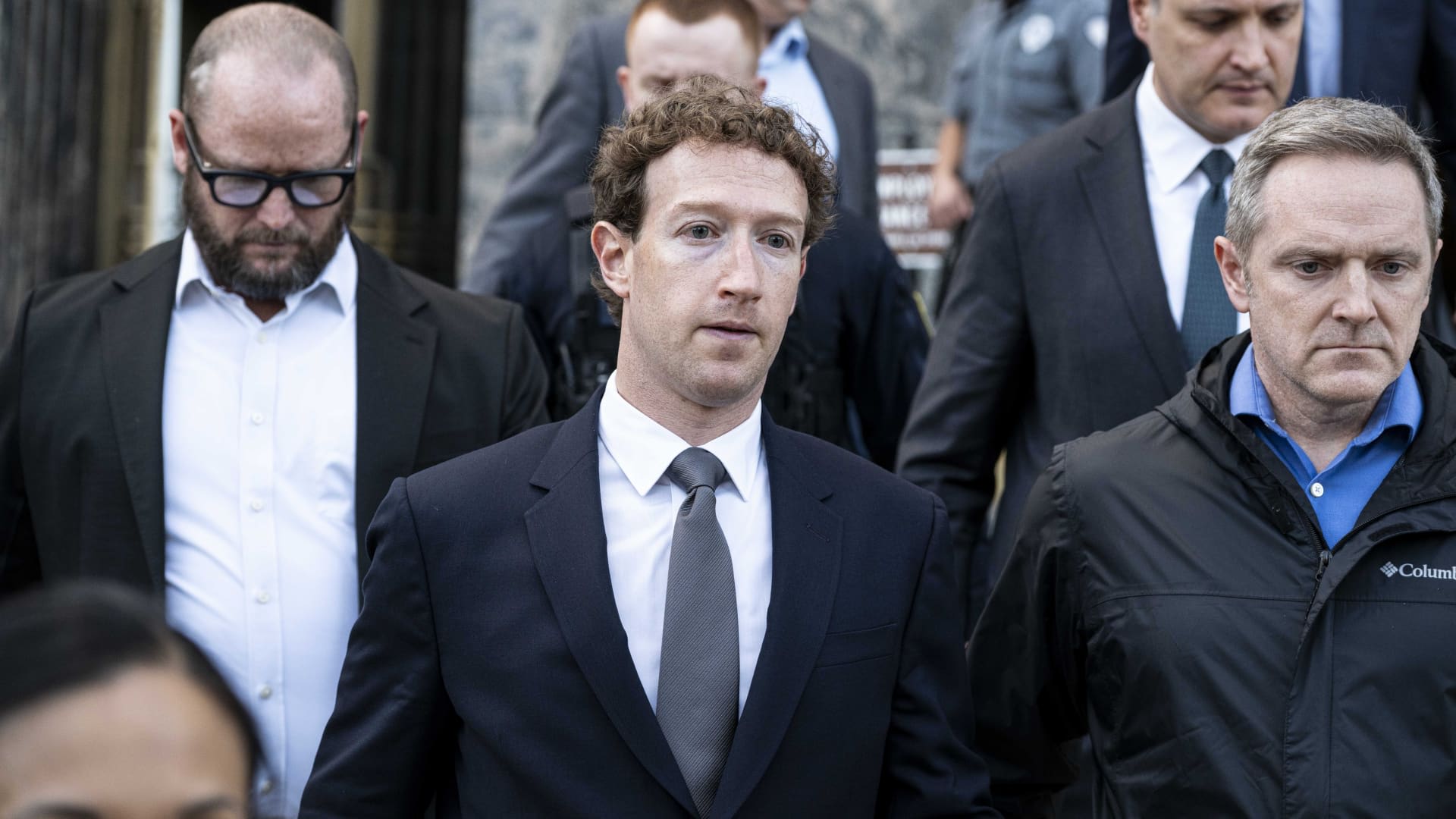
Meta has reached an $18 billion settlement following a landmark lawsuit regarding social media addiction among youth. The company is now pressuring competitors like TikTok, YouTube, and Snap to adopt similar safety standards and regulations.
The Meta Settlement: A New Era for Social Media Regulation
Meta’s recent $18 billion settlement marks a definitive turning point in the legal landscape surrounding social media and youth safety. By resolving the lawsuit brought by a coalition of U.S. states, which alleged that the company misled the public regarding the addictive nature and potential harms of its platforms, Meta has effectively set a new, expensive precedent for the entire industry. This legal conclusion comes after high-profile proceedings in California, where CEO Mark Zuckerberg and other executives were forced to defend the company's internal policies before a federal court.
The Shift Toward Industry-Wide Accountability
The settlement is not merely a financial penalty; it is a strategic maneuver designed to level the playing field. Meta, now under the weight of these new obligations, has begun calling on its primary rivals—specifically TikTok, YouTube, and Snap—to adhere to the same rigorous safety rules. By framing this as a broader industry responsibility, Meta is attempting to ensure that it does not bear the burden of regulatory compliance alone, effectively putting its competitors on notice that the era of self-regulation is rapidly drawing to a close.
Financial and Operational Implications
Part of the $18 billion agreement is explicitly tied to conditional actions by other social media giants. This structure suggests that Meta is incentivized to lobby for, or at least support, stricter oversight for its competitors to mitigate its own competitive disadvantage. As business experts have noted, Meta is actively seeking to ensure that the costs of child-safety initiatives are distributed across the tech sector, rather than remaining a singular tax on the Facebook and Instagram parent company.
The Pressure on TikTok, YouTube, and Snap
With the legal spotlight now moving away from Meta, the focus shifts squarely onto TikTok, YouTube, and Snap. These platforms have long faced criticism regarding their impact on younger users, yet have largely avoided the direct, systemic legal challenges that Meta faced in this trial. The success of the state coalition in extracting this massive settlement provides a roadmap for future litigation against these platforms, should they fail to proactively address similar concerns regarding platform design and content moderation.
Future Trends in Digital Regulation
Moving forward, we can expect a surge in legislative activity and state-level litigation aimed at social media architectures. The precedent established here is likely to influence upcoming policy debates, potentially leading to federal mandates on algorithmic transparency and age-gating mechanisms. As the industry grapples with the fallout of this trial, the 'firing line' described by observers will likely expand, forcing a total reimagining of how social media companies monetize youth engagement.
Conclusion: A Lasting Legacy
The Meta settlement is more than a legal footnote; it is a catalyst for systemic change. By forcing a major player to account for its role in social media addiction, the U.S. states have signaled that the digital landscape will no longer be a lawless frontier. Whether TikTok, YouTube, and Snap choose to settle or fight, the industry has irrevocably moved into a phase of heightened accountability, where the protection of younger users is no longer optional, but a fundamental business necessity.