Meta settles for $18 billion in lawsuit brought by 29 states over social media harms to children
Source Entity
Amanda Silberling
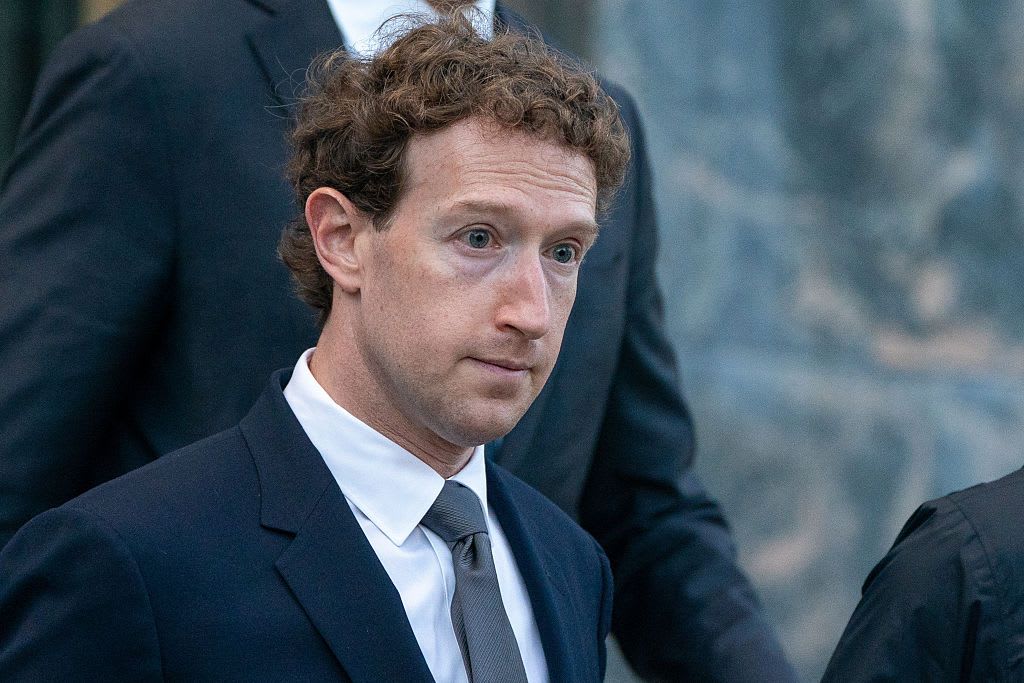
Meta has agreed to an $18 billion settlement with 29 U.S. states regarding allegations that its platforms were designed to addict children. As part of this resolution, the company is implementing stricter default settings for teen accounts, including mandatory daily time limits.
The $18 Billion Settlement: Meta's Regulatory Reckoning
Meta Platforms has reached a monumental $18 billion settlement with 29 U.S. states, effectively concluding a high-stakes legal battle centered on the mental health and safety of young users. The lawsuit alleged that the social media giant intentionally engineered its platforms, specifically Instagram and Facebook, to foster addictive behaviors in minors, despite internal awareness of potential psychological harms. While this settlement does not constitute an admission of guilt, it marks a significant shift in how tech giants are being held accountable for the design choices that govern the digital lives of children.
The Failure of Voluntary Safety Features
Central to the litigation was the 'Take a Break' feature, which Instagram launched in 2021. During testimony, Instagram head Adam Mosseri acknowledged that the usage rate of this tool remained in the low-single digits until it was made a mandatory default setting in late 2024. This admission highlights a critical tension in the tech industry: the assumption that voluntary safety tools are sufficient. Prosecutors argued that Meta’s delay in making these features mandatory was a failure to protect its most vulnerable demographic, essentially prioritizing engagement metrics over user well-being.
Structural Changes to Teen Accounts
As part of the shift in operational policy, Meta is moving toward a more restrictive environment for teen users. Accounts will now default to a cumulative limit of two hours of daily use across the company's applications. Furthermore, the implementation of nighttime curfews aims to mitigate the disruption to sleep cycles, which has long been identified as a primary concern for pediatric mental health experts. These changes represent a departure from the previous model of unconstrained exploration toward a framework of 'safety by design.'
Privacy and Legal Implications
Beyond the addiction allegations, the lawsuit addressed serious concerns regarding the Children’s Online Privacy Protection Act (COPPA). The states claimed that Meta knowingly harvested data from minors without obtaining proper parental consent, a direct violation of federal privacy law. This settlement serves as a warning to the broader tech sector that data collection practices regarding children are under intense regulatory scrutiny, and failure to comply with established privacy protocols carries massive financial risks.
A Call for Industry-Wide Standards
Meta is currently framing this settlement as a catalyst for broader industry change, explicitly calling on competitors like YouTube and TikTok to adopt similar parental controls and teen safety measures. By attempting to set a new industry standard, Meta is likely trying to mitigate its reputational damage while simultaneously leveling the competitive playing field. Whether other platforms will follow suit voluntarily, or if more states will pursue similar litigation, remains the next major question for the industry.
Future Trends in Digital Governance
This case signals a turning point in the relationship between social media companies and the state. Moving forward, we can expect increased legislative pressure to mandate 'safety-first' algorithms for minors. The shift from voluntary features to government-mandated defaults suggests that the era of self-regulation in social media may be coming to a close, replaced by a more rigorous, legally enforced oversight model that prioritizes public health outcomes over infinite scrolling.
Multiple Citing Sources