The 72-hour crisis that could upend Meta’s business in India as firm risks losing legal protection
Source Entity
US Top News and Analysis
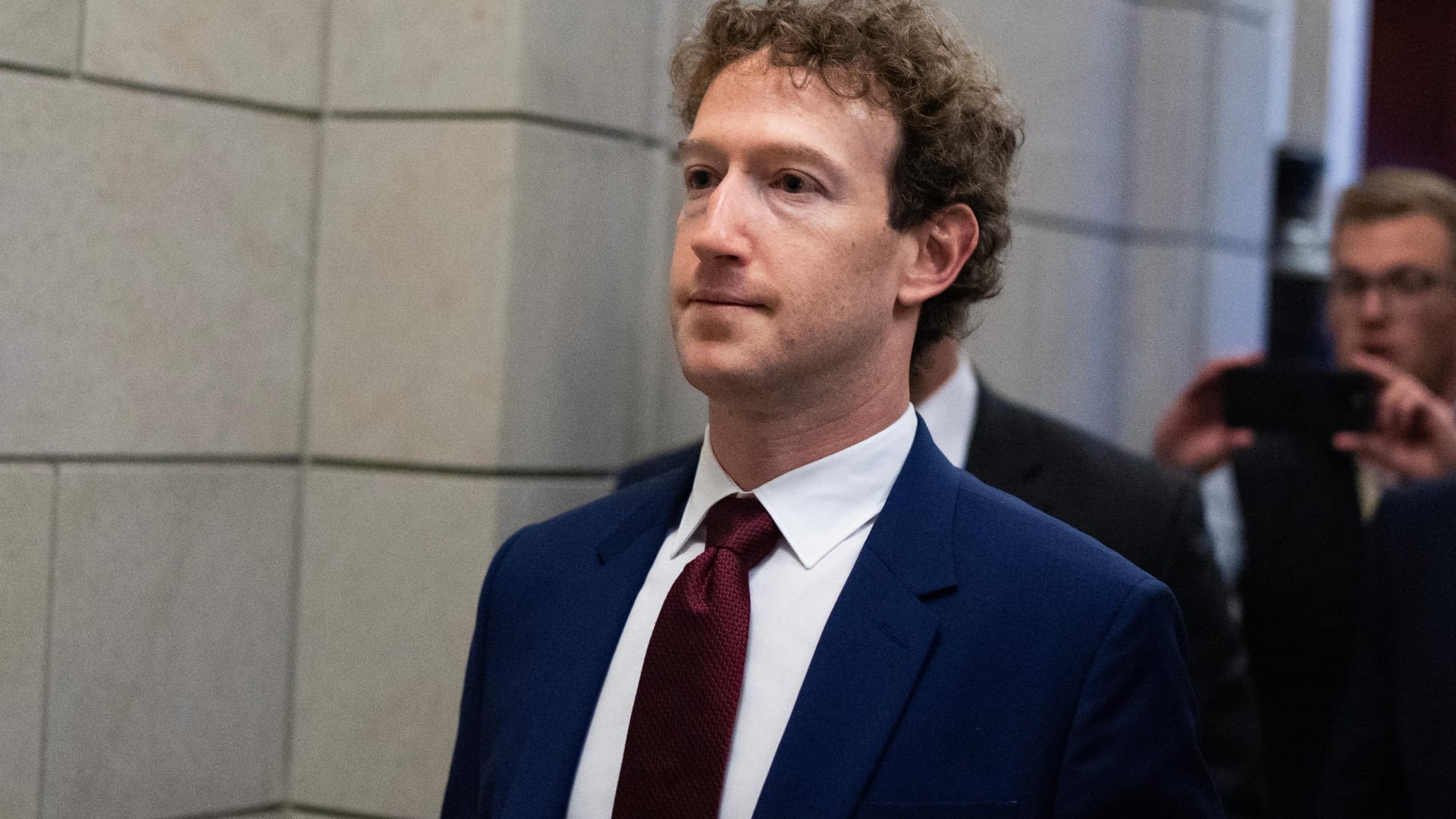
Meta is facing a critical ultimatum from Indian regulators following an erroneous restriction of a post by Prime Minister Narendra Modi. The company risks losing its safe harbor immunity, which would fundamentally alter its legal liability for user-generated content in the country.
The Impending Regulatory Storm for Meta in India
Meta Platforms is currently navigating a precarious 72-hour window that could fundamentally redefine its operational landscape in India. The tech giant, which oversees Facebook, Instagram, and WhatsApp, has found itself in the crosshairs of Indian parliamentary authorities following two highly publicized incidents that have brought the company’s content moderation practices under intense national scrutiny. The situation escalated rapidly when a post by Prime Minister Narendra Modi, aimed at students during the Gen Z protests in July, was briefly restricted by the platform.
The Anatomy of the Content Moderation Failure
The incident involving the Prime Minister's post was initially attributed to a "legal request" by the platform's automated systems, a claim that sparked immediate political backlash. Meta later retracted this, citing an "error," but the damage to the company’s reputation with the Indian government was already done. This blunder occurred in a climate already thick with tension, as the company had been summoned by regulators just days prior to address significant concerns regarding the prevalence of child-abuse content on its platforms.
The Threat to 'Safe Harbor' Protections
At the heart of the current crisis is the potential revocation of Meta’s "safe harbor" immunity. Under current Indian IT laws, intermediaries like Meta are generally protected from legal liability for the content posted by their users, provided they adhere to specific due diligence requirements. A parliamentary panel has now issued a stern ultimatum: Meta must provide an apology from CEO Mark Zuckerberg within three days. Failure to comply with this demand could lead to a formal recommendation to strip the company of these protections.
Broader Implications for Global Tech Giants
If the parliamentary panel moves to revoke these protections, the legal implications for Meta would be profound. Without safe harbor, the company would be held directly liable for user-generated content, forcing a massive, costly, and perhaps unsustainable overhaul of its moderation operations in India. This move would likely set a dangerous precedent for other multinational tech firms operating in the region, signaling a shift toward more stringent government control over digital discourse.
Historical Context and Future Trends
This crisis is not an isolated event but rather the culmination of years of friction between Silicon Valley giants and the Indian government. India has been progressively tightening its digital regulatory framework to ensure greater accountability. Should Meta lose its immunity, it may be forced to implement aggressive, potentially restrictive moderation policies to avoid legal exposure, which could inadvertently stifle the free flow of information and change the user experience for millions of Indians.
Concluding Outlook
The next few days will be decisive for Meta's future in India. The demand for an apology from the highest level of the company highlights the severity with which the Indian government views these lapses. As Meta attempts to balance its internal moderation policies with the demands of a sovereign regulatory body, the outcome of this 72-hour countdown will likely serve as a landmark case study in the evolving relationship between global social media platforms and national governments.