Winners will make the hard choices: Microsoft's security chief to employees after layoffs
Source Entity
TOI TECH DESK
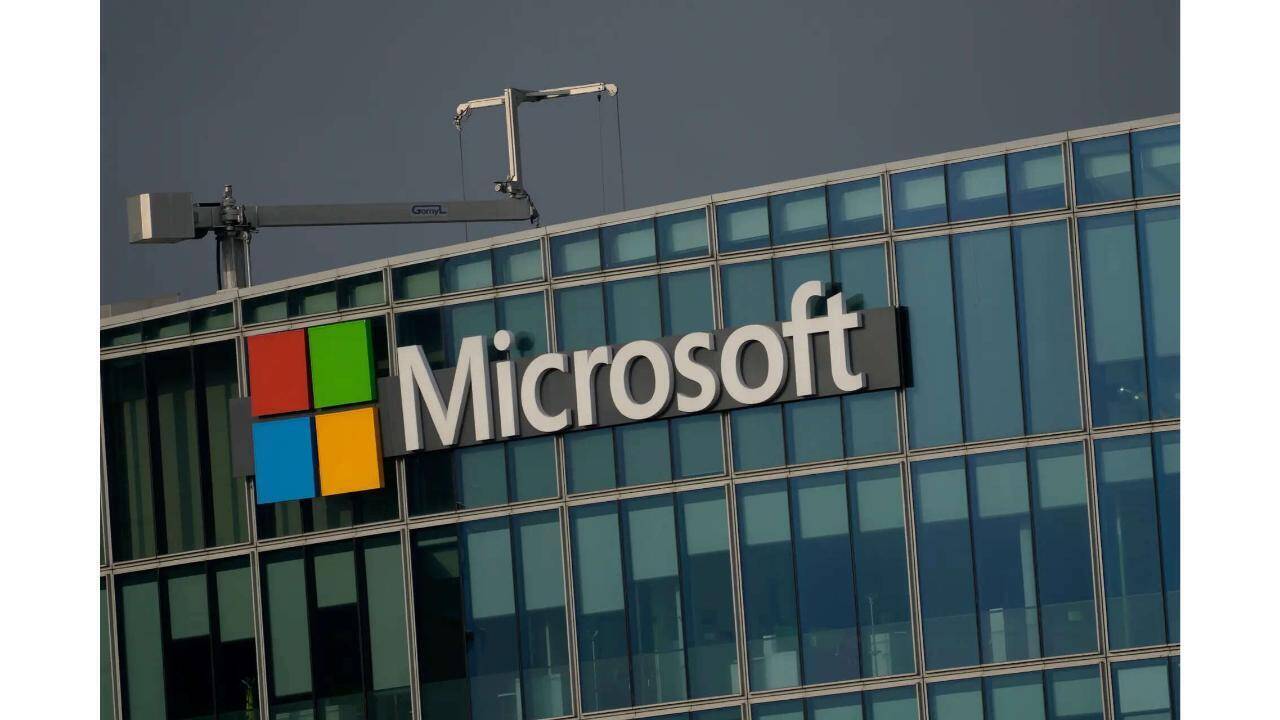
Microsoft is undergoing a major internal restructuring of its cybersecurity division under leader Hayete Gallot. The company is pivoting toward AI-powered security tools, resulting in significant executive turnover and a new focus on performance-based security accountability.
The Strategic Pivot: Microsoft’s Cybersecurity Overhaul
Microsoft is currently executing a fundamental shift in its cybersecurity strategy, signaling a departure from traditional defense mechanisms toward an AI-centric architecture. Under the leadership of Hayete Gallot, who assumed control of the division in February, the organization is undergoing a comprehensive restructuring. This process, described by Gallot as an industry being "reimagined from the ground up," involves consolidating engineering teams and prioritizing the development of advanced automated tools.
Leadership Turnover and Internal Discipline
The transformation has been marked by significant internal disruption, including the removal of several veteran executives. This leadership overhaul serves as a mechanism to align the division’s culture with Gallot’s vision for a more disciplined, AI-focused future. By replacing legacy leadership and integrating security metrics directly into employee performance reviews, Microsoft is institutionalizing security as a foundational requirement for all staff, rather than a siloed department.
Betting on AI: The Security Copilot
A cornerstone of this strategy is the aggressive promotion of Microsoft Security Copilot. By positioning this tool as a primary asset, Microsoft is effectively placing a strategic bet against competitors like OpenAI and Anthropic. The pivot emphasizes code scanners that proactively hunt for vulnerabilities and software designed to monitor the behavior of AI agents, reflecting a proactive rather than reactive stance on digital security.
The Impact of "Hard Choices"
The recent layoffs and structural changes reflect what Gallot describes as "hard choices" necessary to remain competitive in a rapidly evolving threat landscape. By cutting hundreds of roles and streamlining operations, the company aims to eliminate inefficiencies that may have hampered its agility. This approach underscores a broader trend in the tech sector where legacy companies must cannibalize their own existing structures to make room for AI-native product roadmaps.
Future Trends in Cybersecurity
Looking ahead, Microsoft’s focus on AI-driven security indicates a broader industry shift toward autonomous defense systems. As artificial intelligence becomes both a tool for attackers and a necessary component for defense, companies that successfully integrate AI into their security fabric will likely gain a significant market advantage. Microsoft’s insistence on disciplined execution and rapid adaptation suggests that the era of manual, human-intensive cybersecurity oversight is being replaced by machine-speed vulnerability management.