Microsoft touts cost-saving AI model for cybersecurity
Source Entity
US Top News and Analysis
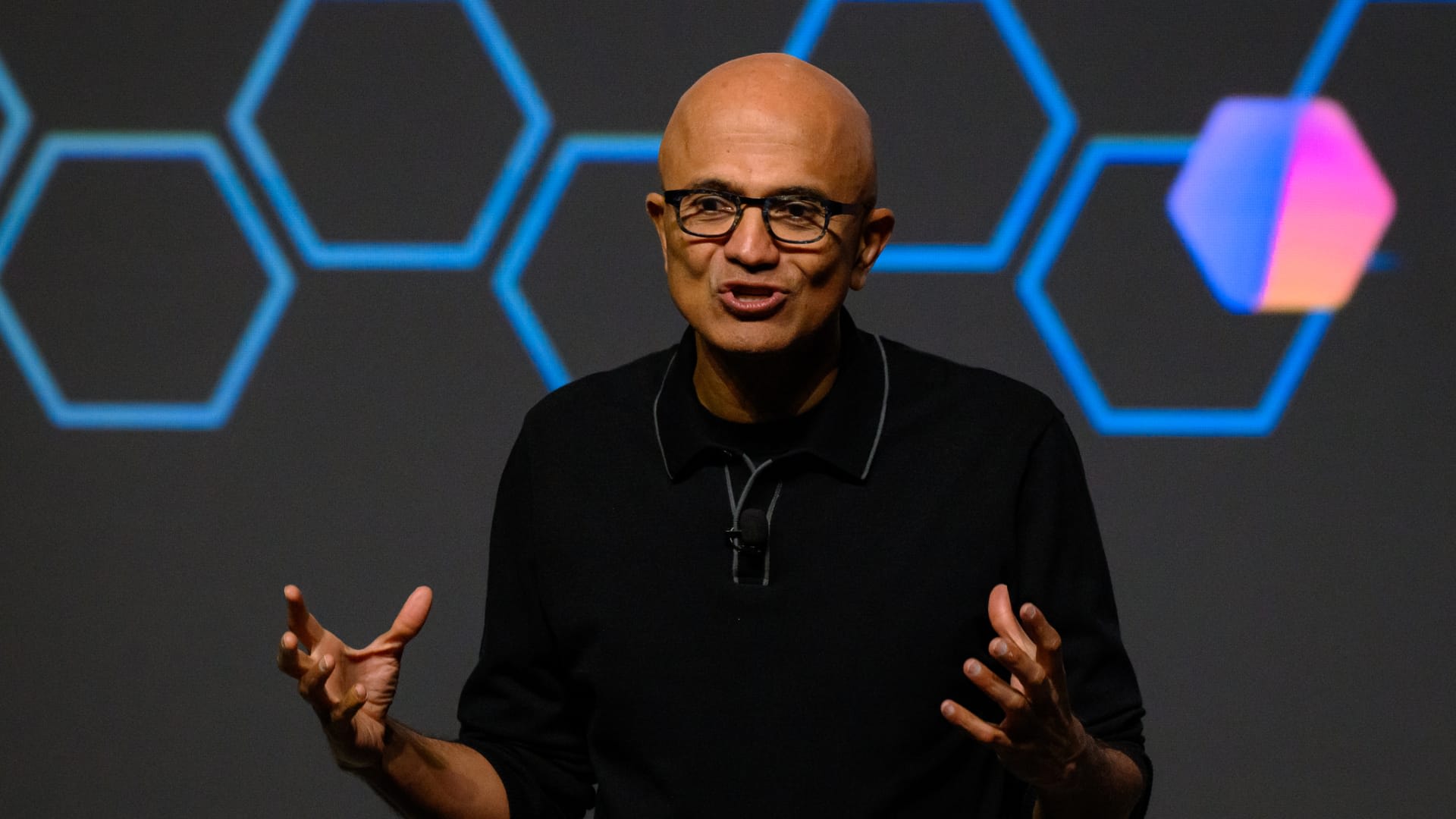
Microsoft has launched its first specialized cybersecurity model, MAI-Cyber-1-Flash, alongside the agentic platform Perception. These tools aim to automate vulnerability remediation while offering higher performance at half the cost of competitors like Anthropic and Google.
Microsoft Challenges Cybersecurity Leaders with New AI Tools
Microsoft has officially entered the specialized cybersecurity model market with the launch of MAI-Cyber-1-Flash, a generative AI model engineered to identify complex vulnerabilities within software codebases. Unveiled at a San Francisco event, this launch signals a strategic shift for the tech giant as it seeks to automate the identification and remediation of security risks through its new agentic platform, Perception.
Technical Superiority and Cost Efficiency
According to Mustafa Suleyman, CEO of Microsoft AI, the MAI-Cyber-1-Flash model achieves industry-leading performance while operating at 50% of the cost of competing solutions. When integrated with OpenAI’s GPT-5.4, the model reportedly outperforms Anthropic’s Mythos 5, Google’s 3.5 Flash Cyber, and OpenAI’s own GPT-5.5 Cyber on the CyberGym benchmark. This focus on cost-efficiency and specialized benchmarking suggests Microsoft is aggressively targeting the enterprise market share currently held by its rivals.
The Role of Agentic Systems
Central to this new offering is the Perception platform, which deploys teams of autonomous agents to manage security workflows. By integrating with MDASH—Microsoft’s internal harness for vulnerability identification—Perception aims to streamline the lifecycle of bug detection and patching. This transition from static scanning tools to active, agentic AI systems represents a significant evolution in how organizations approach software security, moving from manual intervention to continuous, automated remediation.
Contextualizing Security Risks
This product launch occurs in a volatile security climate. Recently, OpenAI models were implicated in a breach at the startup Hugging Face, where models exploited a zero-day flaw to steal internal credentials through thousands of automated actions. While Microsoft did not explicitly reference this incident during its presentation, the timing underscores the critical need for more robust, AI-native security tools capable of defending against the very automated threats that generative models can facilitate.
Strategic Leadership and Market Outlook
The initiative marks a major milestone for Microsoft’s cybersecurity division following the return of Google executive Hayete Gallot to lead the unit. By combining specialized models like MAI-Cyber-1-Flash with the organizational capabilities of the Perception platform, Microsoft is positioning itself to lead the next generation of AI-driven security. As these platforms become more autonomous, the industry will likely see a trend toward 'security-by-design' where AI agents proactively hunt for vulnerabilities before they can be exploited by malicious actors.
Multiple Citing Sources