Amazon seeks federal approval to launch 5,105 satellites for direct-to-device network
Source Entity
US Top News and Analysis
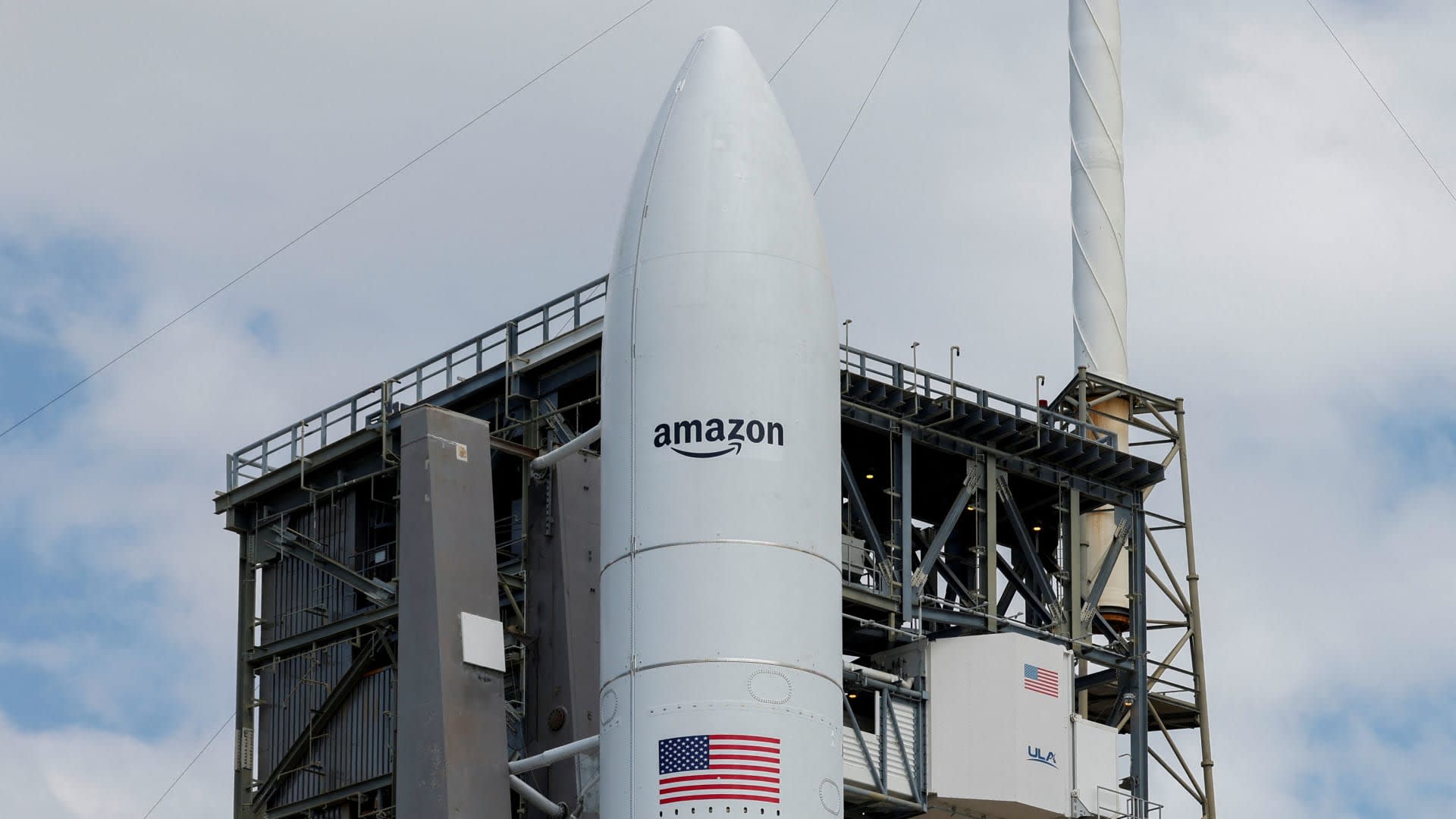
Amazon has filed for federal approval to launch 5,105 satellites to establish a direct-to-device (D2D) connectivity network. This initiative follows the company's $11.6 billion acquisition of satellite operator Globalstar to compete with existing systems like Starlink.
Amazon's Strategic Leap into Direct-to-Device Connectivity
Amazon has officially signaled a major escalation in the global satellite communications race by filing for federal authorization to deploy a massive constellation of 5,105 satellites. This initiative, designed to provide direct-to-device (D2D) connectivity, aims to bypass the need for traditional terrestrial cell towers by beaming internet and cellular signals directly to consumer smartphones and devices. This move represents a foundational shift in how Amazon intends to integrate its Project Kuiper infrastructure with broader mobile network capabilities.
The Globalstar Acquisition: A Catalyst for Growth
The technological backbone of this ambitious project is heavily supported by Amazon's recent strategic move to acquire Globalstar. By securing the satellite operator for approximately $11.6 billion, Amazon has gained immediate access to critical orbital assets and spectral rights. This acquisition provides the necessary infrastructure to fast-track their D2D ambitions, allowing the company to leverage existing satellite networks while simultaneously building out the massive 5,105-satellite constellation requested in their latest regulatory filing.
Challenging the Status Quo
For years, the satellite internet sector has been dominated by SpaceX’s Starlink, which has set the benchmark for low-Earth orbit (LEO) internet services. Amazon’s Project Kuiper is now positioned as the primary challenger to this dominance. By moving toward D2D technology, Amazon is not just targeting remote home internet users, but is instead aiming to capture the massive mobile connectivity market, potentially rendering 'dead zones' a thing of the past for mobile users worldwide.
Technological and Regulatory Hurdles
The transition to D2D connectivity involves complex engineering, as satellites must communicate with standard handheld devices that lack the high-gain antennas typically associated with satellite reception. The regulatory application submitted by Amazon is the first step in navigating the stringent oversight of federal authorities, who must ensure that such a massive constellation does not interfere with existing telecommunications spectrum or contribute to the growing problem of orbital debris.
Future Trends and Market Implications
If approved, the deployment of over 5,000 satellites will significantly alter the landscape of global telecommunications. We are likely to see a shift where mobile carriers partner with satellite providers to offer seamless global coverage as a standard feature. This integration could drive down costs for consumers while increasing the reliance on private space infrastructure for essential public utility services like cellular communication.
Conclusion
Amazon’s latest filing underscores a long-term vision to dominate the next generation of connectivity. By combining the massive scale of Project Kuiper with the tactical advantages of the Globalstar acquisition, the company is effectively building a global mesh network from space. The success of this endeavor will depend heavily on the speed of regulatory approval and the company’s ability to execute complex satellite launches, such as those already underway at the Cape Canaveral Space Force Station.