New York school district halts plan to use humanoid robot amid backlash
Source Entity
Maya Yang in New York
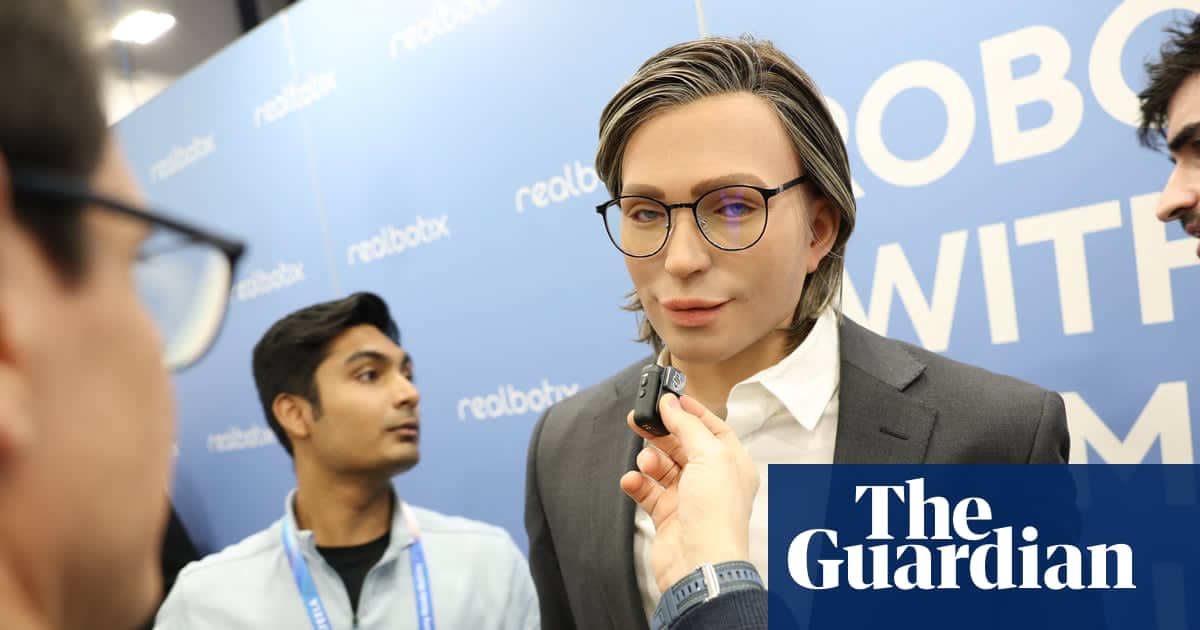
The Salamanca City Central school district has paused its humanoid robot pilot program following significant community and educator pushback. The district cited the need for enhanced student data privacy agreements and further stakeholder engagement.
The Intersection of Robotics and Education: A Case Study in Salamanca
The decision by the Salamanca City Central school district to halt its pilot program featuring a humanoid robot marks a significant moment in the ongoing debate regarding the integration of artificial intelligence and robotics in K-12 education. By partnering with Toronto-based tech company Realbotix, the district aimed to explore the frontier of educational technology. However, the subsequent backlash from educators and community members highlights the profound tension between technological innovation and the preservation of traditional classroom dynamics.
Prioritizing Data Privacy and Security
At the core of the district's decision to pause the project is the critical issue of student data privacy. As noted in the district's announcement on July 24, the program is on hold pending the establishment of "enhanced student data privacy agreements" with the New York State Education Department. In an era where data is increasingly viewed as a commodity, the collection, storage, and potential processing of student interactions with a humanoid robot pose significant regulatory and ethical hurdles that must be cleared before such technology can be deployed safely.
The Role of Stakeholder Engagement
Beyond technical privacy, the backlash underscores the necessity of community consensus in public education. The district’s commitment to "continuing to engage with our community and stakeholders" suggests that the initial rollout may have lacked sufficient transparency or collaborative input. When introducing transformative technology into a school environment, especially one involving a robot interacting directly with students, districts must navigate the concerns of parents and teachers who prioritize human-led instruction over automated alternatives.
Historical Precedents and Future Implications
This incident mirrors broader trends where school districts attempt to modernize curricula only to face pushback regarding the pedagogical appropriateness of new tools. Historically, the introduction of any new technology—from the calculator to the internet—has been met with skepticism. However, humanoid robotics represents a unique challenge due to the personal nature of social interaction between a machine and a student. The outcome of the Salamanca initiative will likely serve as a roadmap for other districts attempting to balance technological ambition with public trust.
Navigating the Path Forward
Looking ahead, the success of such projects will rely heavily on the district's ability to demonstrate that the robot serves an auxiliary, supportive role rather than a replacement for human educators. As the district works through its agreements with the New York State Education Department, the focus will likely shift toward defining clear boundaries for how these robots interact with students and how the resulting data is shielded from unauthorized access.
Conclusion
The pause in the Salamanca City Central school district's robotics program is a testament to the importance of caution in educational technology. By acknowledging the concerns of its constituents and seeking regulatory alignment, the district is prioritizing the long-term well-being of its students. This situation serves as a vital reminder that while the future of technology in the classroom is inevitable, its implementation must be transparent, secure, and deeply rooted in the values of the community it serves.