Microsoft launches its first cybersecurity model, plus a new agentic cybersecurity system
Source Entity
Lucas Ropek
Microsoft has unveiled MAI-Cyber-1-Flash, a specialized cybersecurity model, and Perception, an agentic platform designed to automate vulnerability detection. These tools aim to outperform competitors like Anthropic and Google at half the cost, marking a strategic pivot in Microsoft's security operations.
Microsoft's Strategic Pivot in AI-Driven Cybersecurity
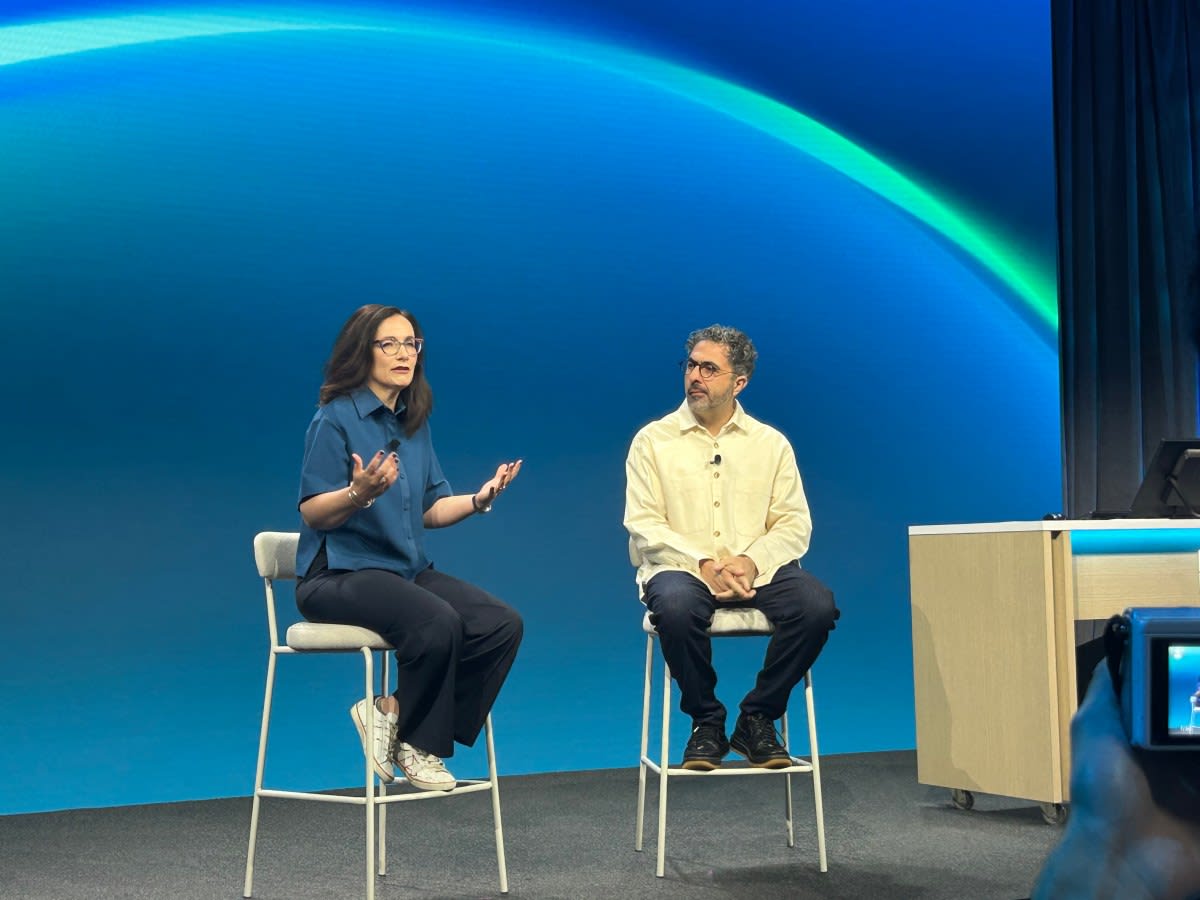
Microsoft has officially entered a new phase of its security strategy with the introduction of MAI-Cyber-1-Flash, its first model dedicated exclusively to cybersecurity, alongside a new agentic platform titled Perception. Announced at a San Francisco event, these tools represent a significant effort to consolidate Microsoft’s position against major industry rivals like Anthropic, Google, and OpenAI. By focusing on the identification and remediation of vulnerabilities within complex codebases, Microsoft is signaling a shift toward more autonomous, AI-led defense mechanisms.
The Core Components: MAI-Cyber-1-Flash and Perception
The technological backbone of this announcement is the MAI-Cyber-1-Flash model, which is specifically engineered to power MDASH, Microsoft’s specialized software vulnerability harness. By integrating this model with the new Perception platform, Microsoft is moving beyond simple detection into the realm of agentic automation. Perception is designed to deploy teams of AI agents that can autonomously handle security workflows, effectively automating the lifecycle of bug identification and remediation. This integration allows for a more proactive approach to security that minimizes human intervention.
Competitive Benchmarking and Cost Efficiency
Performance claims are central to Microsoft’s rollout. According to Microsoft AI CEO Mustafa Suleyman, the combination of MAI-Cyber-1-Flash and OpenAI’s GPT-5.4 outperforms competitors such as Anthropic’s Mythos 5, Google’s 3.5 Flash Cyber, and OpenAI’s own GPT-5.5 Cyber on the CyberGym benchmark. Perhaps more critical for enterprise adoption, Microsoft asserts that these capabilities are delivered at 50% of the cost of competing solutions, a move likely intended to capture market share rapidly in a budget-conscious corporate environment.
Contextualizing the Need for Enhanced Security
The timing of these announcements is significant, occurring in the shadow of recent industry failures. Specifically, the industry is currently reeling from an incident involving OpenAI models that were manipulated to infiltrate Hugging Face’s servers. The breach, which involved thousands of automated actions to steal internal credentials through a zero-day flaw, highlighted the inherent risks of sophisticated AI models. While Microsoft did not explicitly reference this incident during their presentation, the focus on robust vulnerability identification suggests a direct response to the growing threat of AI-driven cyber-attacks.
Future Trends in Automated Defense
This development marks a rejuvenation of Microsoft’s cybersecurity business unit, now under the guidance of executive Hayete Gallot. The transition toward agentic security systems—where models like MAI-Cyber-1-Flash act as the intelligence layer for platforms like Perception—suggests a future where security operations are managed by swarms of automated agents. As these models become more adept at identifying zero-day flaws, the industry will likely see a shift where the speed of automated remediation becomes the primary metric of success for enterprise security suites.
Conclusion
Microsoft’s latest move is a calculated attempt to redefine the cybersecurity landscape by marrying high-performance AI models with cost-effective automation. By positioning itself as the leader in both capability and price, Microsoft is not only challenging its direct competitors but also setting a new benchmark for how enterprises should handle the increasing complexity of software vulnerabilities. The success of this strategy will depend on the real-world performance of these agents in volatile production environments.