Microsoft responds to LG monitors installing McAfee ads on Windows
Source Entity
Scharon Harding
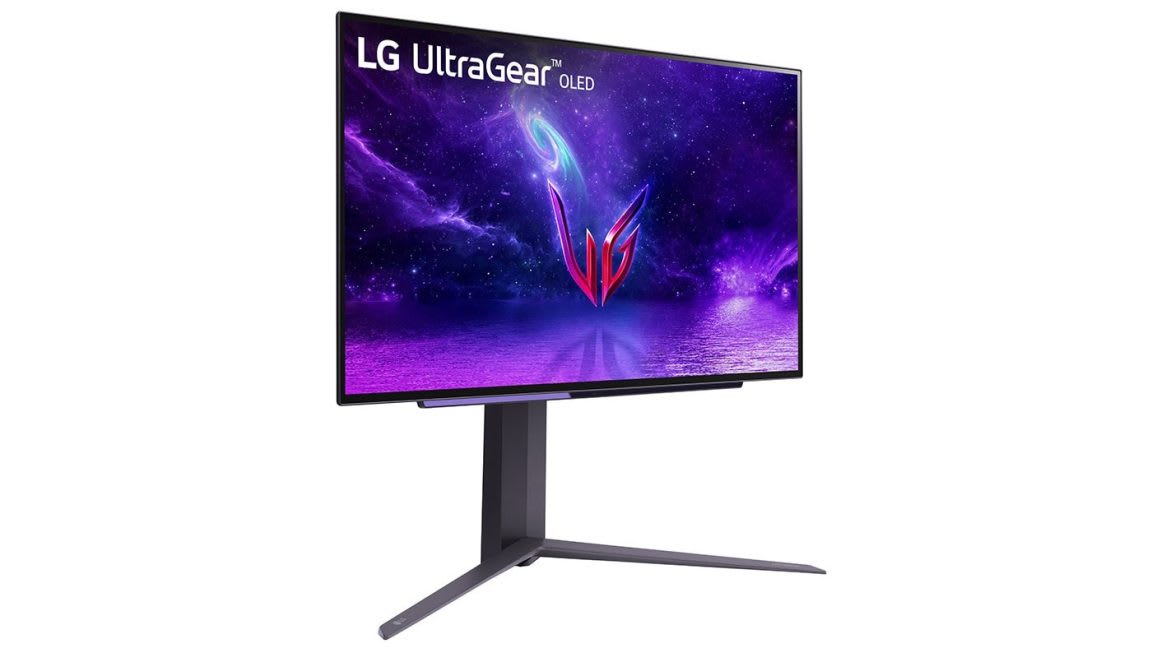
Microsoft and LG are addressing a controversy where an 'LG Monitor App Installer' automatically installed via Windows Update began pushing intrusive McAfee ads. LG has committed to removing these pop-ups following significant backlash from users and tech investigators.
The Intersection of Hardware Drivers and Unwanted Software
Recent reports have unveiled a concerning practice involving the integration of third-party promotional software within the Windows Update ecosystem. Users discovered that connecting certain LG monitors to their PCs triggered the automatic installation of an application titled 'LG Monitor App Installer.' While Windows Update is primarily designed to facilitate the seamless deployment of critical hardware drivers and system patches, this incident highlights a growing trend where peripheral manufacturers leverage these distribution channels to push secondary, non-essential software.
The Mechanics of the Intrusion
The software in question, the LG Monitor App Installer, was delivered directly through the Windows Update service alongside standard driver updates. Once installed, the application began exhibiting behavior typical of 'bloatware' or 'adware,' specifically by triggering pop-up notifications promoting a 30-day free trial of McAfee security software. By utilizing the authority of the Windows Update service, the application bypassed traditional user scrutiny, leading many to believe the software was a mandatory component for their monitor's functionality.
Community Backlash and Investigative Scrutiny
The discovery gained significant momentum following widespread complaints on platforms like Reddit, where users expressed frustration over unsolicited software appearing on their machines. The situation reached a critical point when the technology outlet Gamers Nexus published a detailed investigation, documenting the pop-up behavior and the mechanism of its delivery. This public scrutiny forced a dialogue between stakeholders, as the intrusive nature of the ads conflicted with user expectations of a clean, professional computing environment.
Corporate Response and Future Implications
In response to the negative feedback and the investigation, LG has reportedly committed to pulling the McAfee pop-up advertisements from the installer. This incident serves as a significant case study in the risks associated with hardware-software bundling. It raises fundamental questions about the vetting processes Microsoft employs for third-party software distributed through its official channels, and whether manufacturers should have the autonomy to push promotional content to end-users without explicit, granular consent.
Balancing Convenience and User Autonomy
Moving forward, the tech industry faces a challenge in balancing the convenience of automated updates with the necessity of maintaining user control over their operating systems. While automated driver updates are vital for hardware compatibility and security, the inclusion of promotional material undermines trust in the update ecosystem. For consumers, this event serves as a reminder to monitor installed applications closely and highlights the need for greater transparency from both hardware vendors and operating system providers regarding what is being installed on their devices.