US-Iran War Live News Updates: Iran denies Saudi Arabia’s accusation of involvement in Houthi attacks
Source Entity
The Indian Express
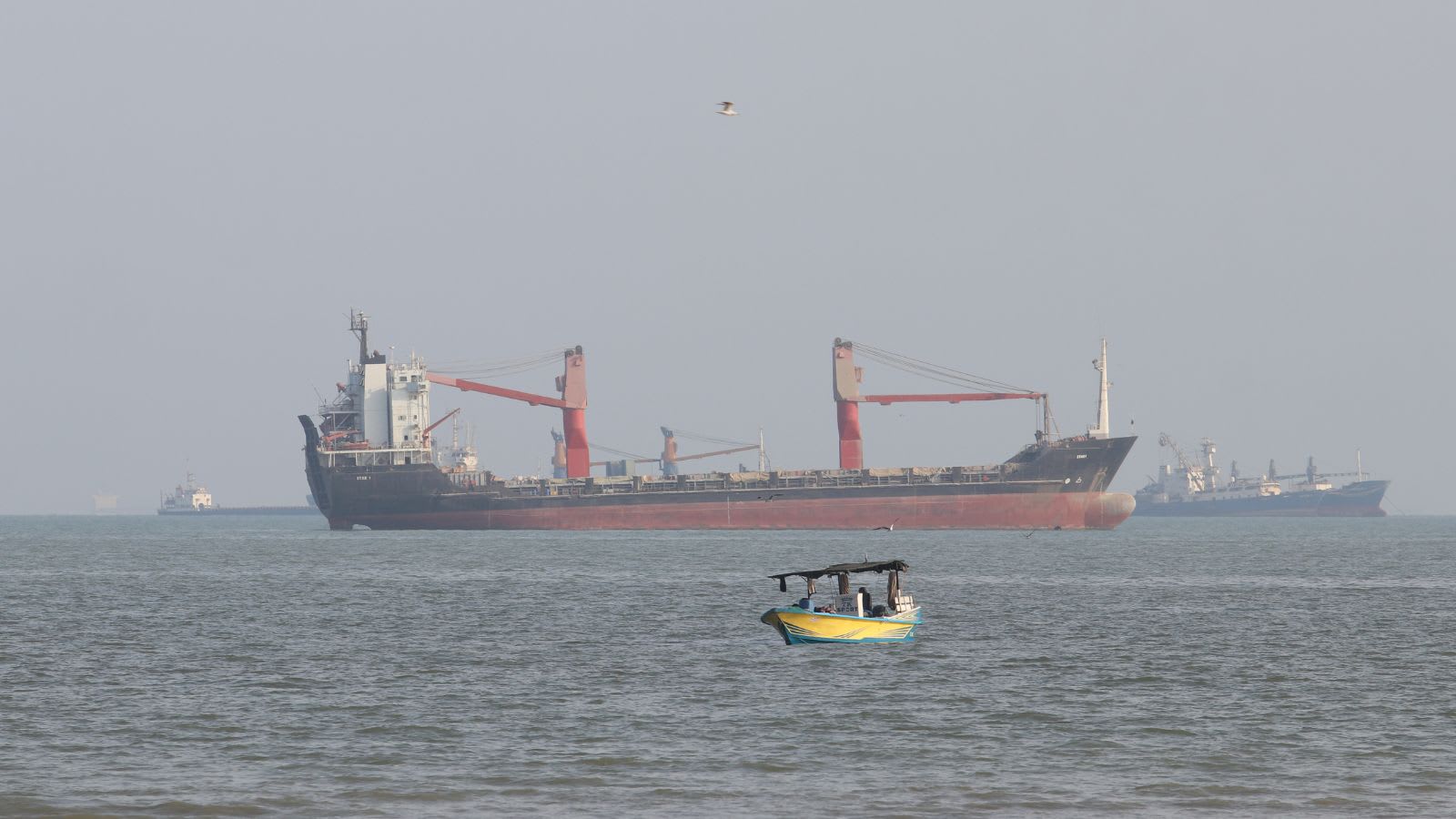
Tensions in the Middle East have escalated following reports of projectile attacks near the Strait of Hormuz and intercepted missile strikes from Yemen. Iran has formally denied Saudi Arabia's accusations of involvement in the Houthi-led operations.
Escalating Geopolitical Instability in the Middle East
The current atmosphere in the Middle East remains critically volatile as fresh reports of military engagements emerge from the Gulf, Yemen, and the West Bank. The recent interception of a ballistic missile, two cruise missiles, and three drones by the Saudi-led coalition—all reportedly originating from Yemen—underscores the persistent threat posed to regional infrastructure. These events, occurring simultaneously with reports of maritime projectiles hitting tankers near the Strait of Hormuz, signal a dangerous expansion of the theater of conflict.
The Strategic Significance of the Strait of Hormuz
The Strait of Hormuz serves as one of the world’s most critical maritime chokepoints, through which a significant portion of the global oil supply transits. The presence of commercial vessels anchored off Bandar Abbas, Iran, juxtaposed against reports of fire on ships in the Sea of Oman, highlights the vulnerability of global energy logistics. Any sustained disruption in this region does not merely affect local actors; it triggers immediate global market reactions, reflecting the interconnected nature of modern energy security.
Accusations and Diplomatic Denial
A central component of this crisis is the diplomatic friction between Saudi Arabia and Iran. Saudi authorities have leveled accusations against Iran, suggesting involvement in the Houthi attacks targeting the city of Yanbu and other strategic sites. Iran has categorically denied these allegations, maintaining a stance of non-involvement. This war of words exacerbates existing tensions, making de-escalation efforts increasingly difficult as both nations maneuver through a complex web of proxy allegiances and security concerns.
The Houthi Factor and Regional Security
The Houthi movement’s capability to deploy a mix of ballistic and cruise missiles, alongside drones, represents a significant evolution in non-state actor warfare. By targeting Saudi territory and commercial shipping, these forces are effectively forcing international stakeholders to reconsider the security architecture of the Red Sea and the Gulf. The coalition’s success in stopping these projectiles provides a temporary reprieve, but the frequency of these attempts suggests a sustained campaign rather than isolated incidents.
Broader Implications and Future Outlook
Looking ahead, the situation remains highly fluid. The combination of maritime insecurity and aerial threats creates a multi-front challenge for regional powers and international observers alike. If the frequency of these attacks continues to rise, the international community may be forced to increase its naval presence to guarantee freedom of navigation. Furthermore, the persistent cycle of accusations and military responses suggests that a diplomatic breakthrough remains elusive, keeping the region in a state of high alert for the foreseeable future.