Preachers, divorce, eviction: What pushed Mumbai ‘lone wolf’ who stabbed guards
Source Entity
Mohamed Thaver, Sadaf Modak
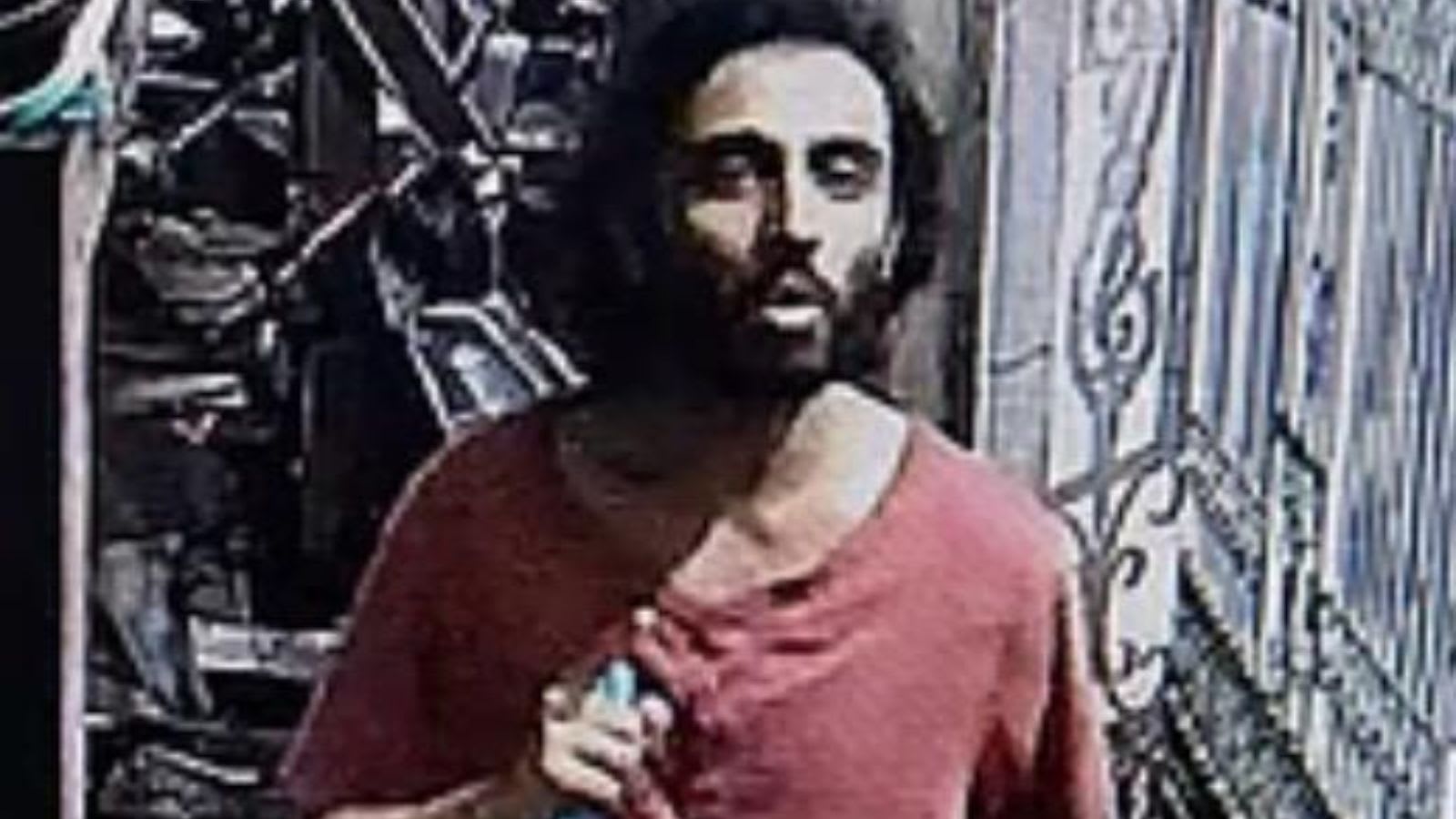
A chargesheet by the ATS reveals that Zaib Ansari, a US-returned man, carried out a lone-wolf stabbing in Mira Road after self-radicalization. Investigators found no evidence of external handlers, attributing his actions to personal instability and extremist online content.
The Mira Road Incident: Analyzing a Lone Wolf Case
The Investigation Findings
The recent 2,500-page chargesheet filed by the Anti-Terrorism Squad (ATS) regarding the stabbing incident in Mira Road on April 27 provides a chilling look into the motives behind a targeted attack. Investigators have concluded that the perpetrator, 31-year-old Zaib Ansari, acted entirely alone. Despite initial concerns regarding potential extremist networks or external handlers, the ATS has officially ruled out the involvement of any outsider, categorizing the event as a classic 'lone wolf' scenario.
Psychological and Personal Catalysts
The narrative constructed by the ATS points to a convergence of personal crises that pushed Ansari toward violence. Beyond the ideological component, the document highlights significant stressors including a recent divorce and the threat of eviction from his rented home. These personal failures, coupled with what investigators described as 'obsessive food habits' and a deep-seated distrust of strangers, created a volatile psychological environment. This trajectory suggests that personal instability often acts as a force multiplier for individuals already prone to extremist influence.
The Role of Digital Radicalization
A critical component of this case is the role of online media. The chargesheet explicitly states that Ansari was 'self-radicalized' through the consumption of videos featuring extremist preachers. This underscores a growing trend in global security: the ease with which isolated individuals can access inflammatory content that validates their existing grievances. Without the need for direct contact with terrorist organizations, the digital landscape provides a sufficient framework for individuals to develop and act upon radical ideologies.
Targeting and the Act of Violence
On April 27, the situation culminated in physical violence when Ansari attacked two security guards near his residence. The investigation noted that the perpetrator specifically asked the victims about their religion before proceeding with the stabbing. This selective targeting confirms that the motive was rooted in ideological hatred, transforming his personal despair into a targeted act of communal hostility. The injuries sustained by the guards serve as a stark reminder of the danger posed by individuals who align their personal frustrations with extremist dogma.
Broader Implications and Future Trends
The Mira Road case serves as a microcosm for the challenges faced by law enforcement in the digital age. As 'self-radicalization' becomes more prevalent, the traditional reliance on tracking communication between handlers and operatives is becoming less effective. Security agencies are increasingly forced to grapple with individuals who operate within the vacuum of their own isolation, making pre-emptive intervention exceptionally difficult. Moving forward, authorities must focus on identifying the intersection of mental health distress and radical content consumption to prevent similar incidents.
Conclusion
In summary, the ATS chargesheet provides a comprehensive, if disturbing, account of the factors leading to the Mira Road attack. By ruling out external involvement, the report forces a deeper examination of domestic radicalization and the volatility of isolated individuals. The case highlights an urgent need for better monitoring of extremist propaganda and a more robust social framework to support individuals experiencing severe personal and mental health crises before they escalate into violence.