BNP leader Mirza Fakhrul Alamgir wins Bangladesh presidential election
Source Entity
RAJEEV SINGH
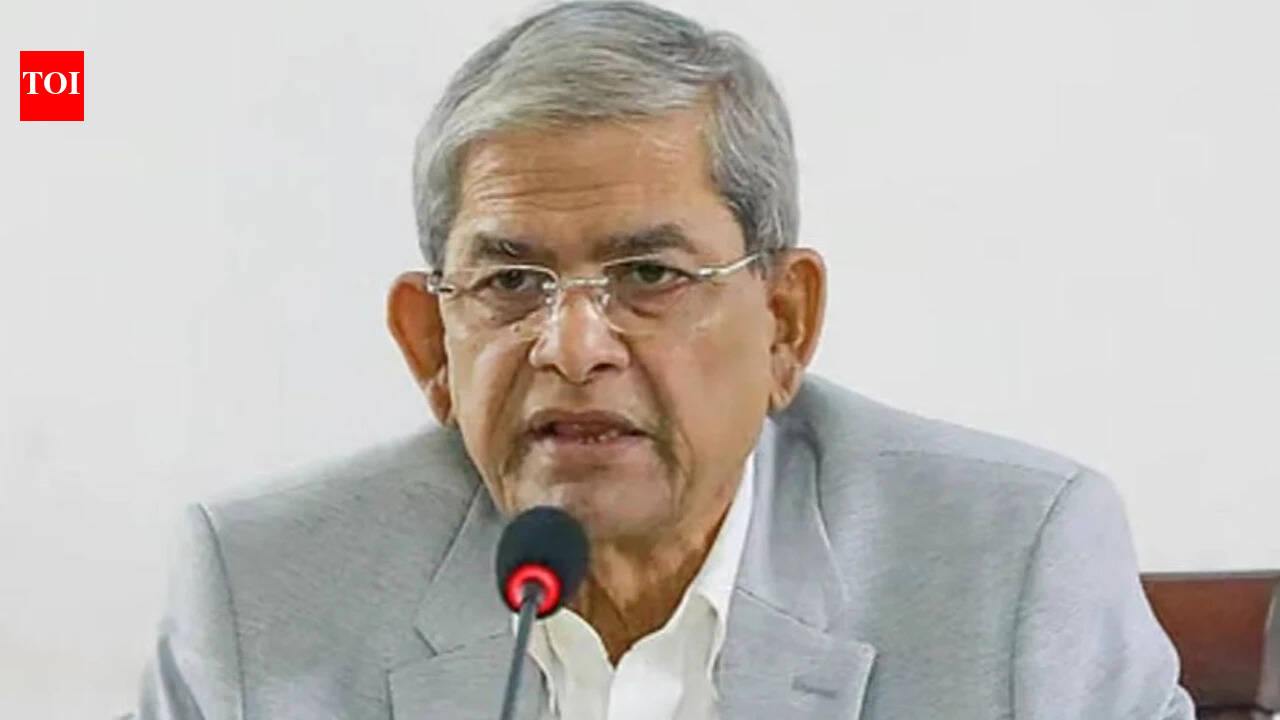
Veteran BNP leader Mirza Fakhrul Islam Alamgir has been elected as the 23rd President of Bangladesh, securing 255 votes in the country's first contested presidential election in 35 years. He defeated opponent Colonel (retd) Oli Ahmed and is scheduled to be sworn in at the Darbar Hall of Bangabhaban.
A Historic Transition: Mirza Fakhrul Islam Alamgir Elected President
In a landmark political development for Bangladesh, veteran Bangladesh Nationalist Party (BNP) leader Mirza Fakhrul Islam Alamgir has been elected as the nation’s 23rd President. The election, which concluded on Thursday, represents a significant shift in the country's political landscape, as it is the first time in 35 years that Bangladesh has held a contested presidential election. Alamgir, a 78-year-old stalwart of the BNP, secured a decisive victory with 255 votes, effectively defeating his opponent, retired Colonel Oli Ahmed.
The Mechanics of the Election
The electoral process was overseen by Chief Election Commissioner AMM Nasir Uddin, who served as the returning officer for the vote held at the Jatiya Sangsad, the Bangladeshi Parliament. The democratic exercise saw a high turnout, with 343 out of 349 registered voters casting their ballots between 2 pm and 5 pm local time. The results were announced shortly thereafter, confirming that Alamgir’s rival, Oli Ahmed—the chairman of the Liberal Democratic Party and nominee for an 11-party opposition alliance led by Jamaat-e-Islami—received 88 votes.
A Lifetime of Political Service
Mirza Fakhrul Islam Alamgir’s rise to the presidency is the culmination of a decades-long career in public service. As a longtime secretary-general of the BNP and a close associate of former premier Khaleda Zia, Alamgir has served as one of the party’s most prominent national figures since joining in the early 1990s. His transition from the party’s top organizational leadership to the presidency marks a profound evolution in his career, moving from partisan advocacy to the head of state role.
The Significance of the Contested Vote
The fact that this election was contested is perhaps its most notable feature. For over three decades, the Bangladeshi presidency has largely been viewed as a ceremonial post often filled through non-contested consensus. By hosting a competitive race against Colonel (retd) Oli Ahmed, the Bangladeshi Parliament has signaled a departure from historical norms, potentially setting a new precedent for how the head of state is selected in the future.
Challenges and Immediate Future
As President-elect, Alamgir faces the immediate task of assuming the mantle of the 23rd President. He is scheduled to take the oath of office on Friday evening at the Darbar Hall of Bangabhaban. This transition comes at a pivotal time for Bangladesh, and the political community will be closely watching how the former BNP general secretary navigates the duties of the presidency after years of being deeply entrenched in the internal machinery of his political party.
Conclusion
The election of Mirza Fakhrul Islam Alamgir is a testament to the changing dynamics within the Bangladeshi political sphere. With a clear mandate from the parliament, his presidency will be defined by his ability to transcend his partisan roots and serve as a unifying figure. As the nation looks toward this new chapter, the focus remains on the upcoming inauguration and the subsequent impact his leadership will have on the national trajectory.