Who is Mirza Fakhrul Alamgir, Bangladesh’s new President? His stance on India and Sheikh Hasina
Source Entity
The Indian Express
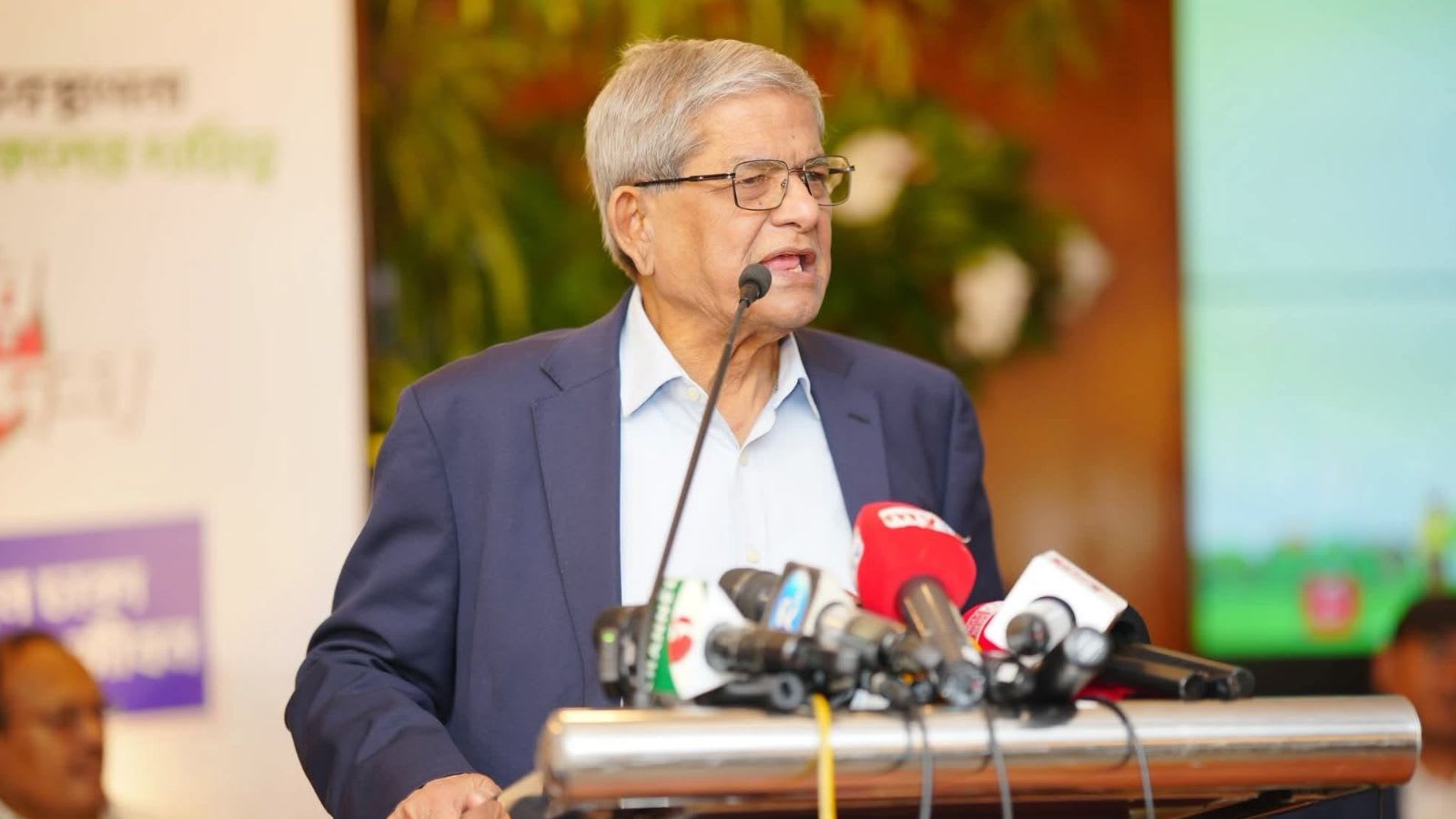
Veteran Bangladesh Nationalist Party leader Mirza Fakhrul Islam Alamgir has been elected as the 23rd President of Bangladesh. He secured a decisive victory against rival Colonel (retd) Oli Ahmed in the country's first contested presidential election in 35 years.
A Historic Transition in Bangladeshi Leadership
In a landmark development for Bangladeshi democracy, veteran Bangladesh Nationalist Party (BNP) leader Mirza Fakhrul Islam Alamgir has been elected as the 23rd President of the nation. The 78-year-old political stalwart secured his position in a historic legislative vote, marking the first time in 35 years that Bangladesh has held a contested presidential election. Chief Election Commissioner AMM Nasir Uddin confirmed the results, noting that Alamgir garnered 255 votes compared to the 88 secured by his opponent, retired Colonel Oli Ahmed.
The Mechanics of the Election
The election process saw active participation from the legislative body, with 343 out of 349 registered voters casting their ballots. The victory of Mirza Fakhrul Islam Alamgir over Colonel (retd) Oli Ahmed—the chairman of the Liberal Democratic Party and the nominee for the Jamaat-e-Islami-led 11-party opposition alliance—reflects a significant consolidation of power for the BNP. Alamgir, who has long served as the secretary-general of the BNP, is widely regarded as a close ally of former Prime Minister Khaleda Zia, signaling a potential shift in the country’s internal political alignment.
Historical Significance of the Poll
For over three decades, the Bangladeshi presidency has often been characterized by consensus or non-contested appointments. By conducting a contested election, the legislative process has signaled a move toward a more competitive democratic framework. This event is particularly notable given the 35-year gap since the last contested presidential race, suggesting a renewed emphasis on legislative deliberation and democratic procedure within the halls of the Jatiya Sangsad.
The Path to Bangabhaban
Following his decisive victory, President-elect Alamgir is scheduled to take his oath of office on Friday evening. The ceremony will be held at the historic Darbar Hall of Bangabhaban, the official residence of the President of Bangladesh. This transition represents the culmination of Alamgir’s long-standing career, having risen through the ranks of the BNP since the early 1990s to become one of the most prominent national figures in the party’s history.
Implications and Future Outlook
As Alamgir prepares to assume his duties, the eyes of the nation remain fixed on how his presidency will influence the country's political trajectory. His deep-rooted history with the BNP and his stature as a long-serving secretary-general provide him with the political capital necessary to navigate the complexities of the Bangladeshi state. The shift in leadership comes at a pivotal time, and the election results underscore a desire for institutional change and democratic engagement within the existing political infrastructure.
Conclusion
The election of Mirza Fakhrul Islam Alamgir stands as a definitive moment in contemporary Bangladeshi politics. By defeating his rival by a substantial margin, he has secured a clear mandate to serve as the 23rd President. As he transitions from a veteran party strategist to the head of state, the nation watches with anticipation to see how his administration will shape the future of the country's governance and its evolving political landscape.
Multiple Citing Sources