Ties With ASEAN At Heart Of Act East Policy: PM As He Emplanes For Philippines
Source Entity
NDTV News Search Records Found 1000
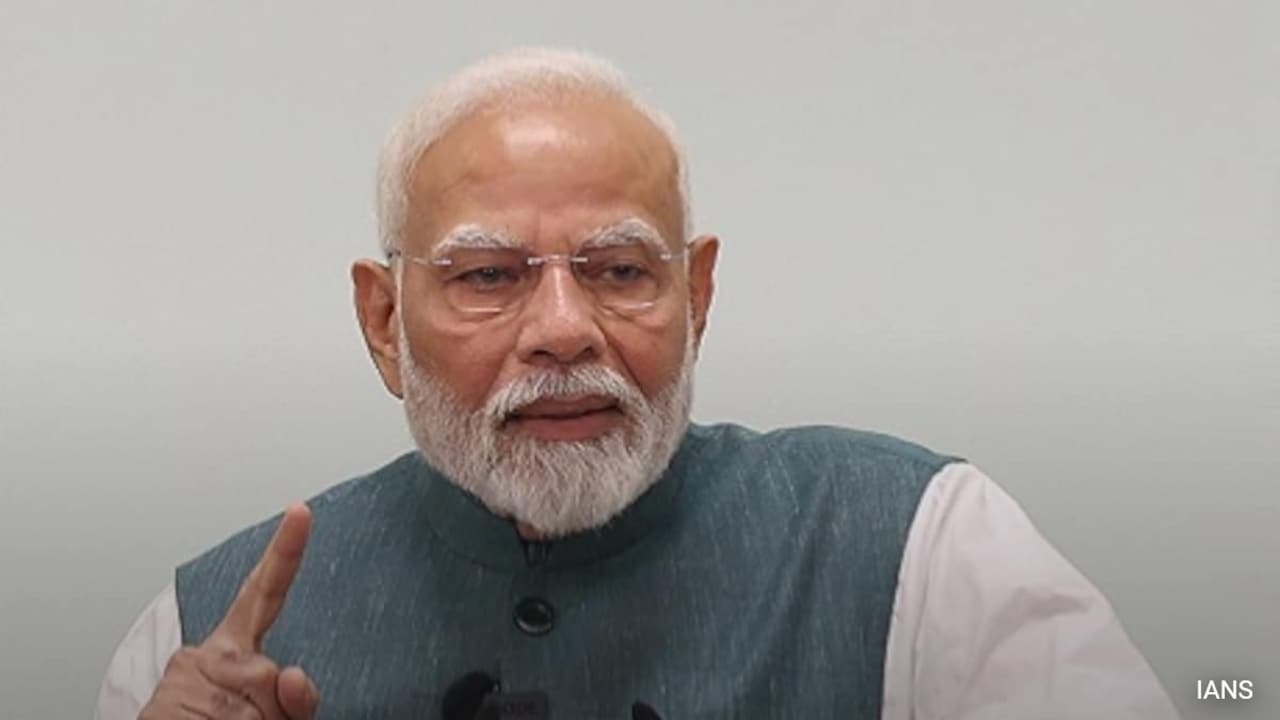
Prime Minister Narendra Modi has arrived in Manila for the 23rd ASEAN-India Summit and 21st East Asia Summit. The visit focuses on strengthening maritime security, trade, and regional partnerships, alongside a planned Quad leaders' meeting.
Strengthening the Act East Policy
Prime Minister Narendra Modi’s visit to Manila on November 16-17, 2026, marks a pivotal moment in India’s diplomatic outreach. Accepting the invitation of Philippine President Ferdinand R. Marcos Jr., the Prime Minister is set to engage in the 23rd ASEAN-India Summit and the 21st East Asia Summit. This trip underscores the foundational role of the Association of Southeast Asian Nations (ASEAN) in India's 'Act East' policy, a strategic framework designed to integrate India more deeply with the economies and security architectures of Southeast Asia.
Historical Ties and Modern Synergy
During his departure statement, Prime Minister Modi emphasized that the relationship is rooted in centuries of civilizational exchange. These deep-seated historical links have evolved into a multifaceted modern partnership. Today, the cooperation spans critical sectors including trade, connectivity, maritime security, technology, and people-to-people relations. By positioning this relationship at the heart of his 'MAHASAGAR' vision, the Prime Minister signals that India views the Indian Ocean and Southeast Asian regions as a singular, interconnected theater for economic and security prosperity.
The Quad and Regional Security
Beyond the formal ASEAN proceedings, the margins of the summit are set to host a significant Quad leaders’ meeting. With the participation of leaders from the United States, Japan, and Australia, the Manila gathering serves as a high-stakes arena for discussing regional stability. US Assistant Secretary of State Dylan Johnson confirmed efforts to formalize this meeting, highlighting the continuity of the Quad’s diplomatic momentum under the current administration, including the series of ministerial meetings held by Secretary of State Marco Rubio.
Economic and Maritime Priorities
Economic cooperation remains a cornerstone of the visit. The agenda is heavily focused on expanding commercial partnerships and development initiatives that allow for sustainable growth across the ASEAN bloc. Simultaneously, maritime security has emerged as an urgent priority. As global conflicts strain supply chains, the coordination of naval and security policies between India and its partners is essential to ensuring freedom of navigation and maintaining a rules-based order in the Indo-Pacific.
A Global Convergence in Manila
The presence of high-profile world leaders, including US President Donald Trump, Brazilian President Luiz Inacio Lula da Silva, and Canadian Prime Minister Mark Carney, transforms the Manila summit into a hub of global diplomacy. This convergence provides a unique opportunity for India to conduct essential bilateral meetings, further refining its foreign policy objectives. The ability to manage these diverse relationships—from the established Quad framework to broader ASEAN integration—demonstrates the increasing weight of India’s diplomatic influence on the global stage.
Future Trends and Strategic Outlook
Looking ahead, the outcomes of the 2026 summits are expected to solidify a shift toward more formalized, institutionalized security pacts in the region. As India continues to prioritize the 'Act East' policy, the emphasis will likely move from mere dialogue to tangible joint infrastructure projects and integrated supply chain resilience. The success of this visit will be measured by the ability of the attending nations to harmonize their economic interests with the pressing requirements of maritime security in a rapidly evolving geopolitical climate.
Multiple Citing Sources
Verification Required?