Questions for Bhagwat, and how he can easily lay debate over his remarks to rest
Source Entity
Pratap Bhanu Mehta
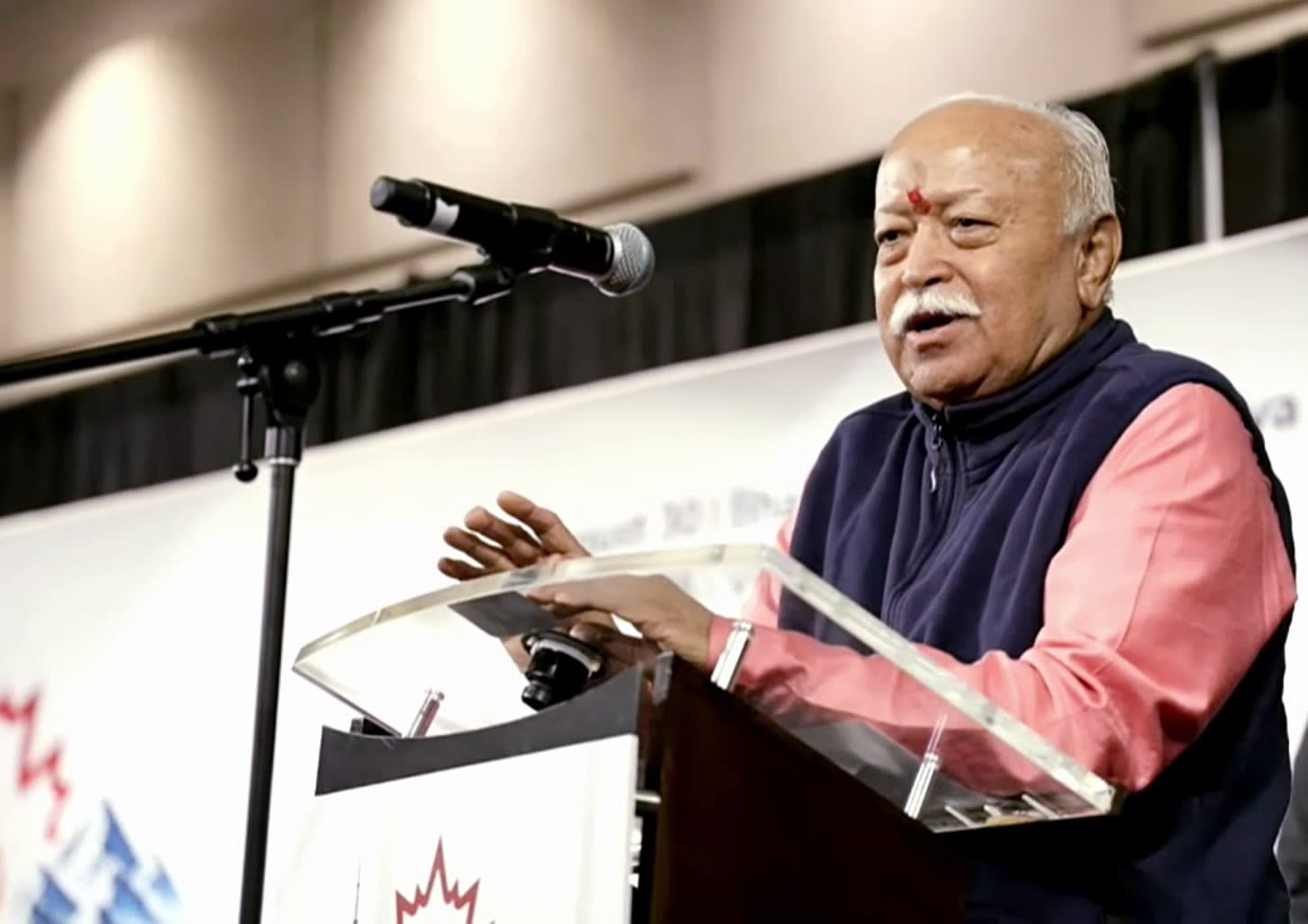
Mohan Bhagwat's recent remarks in New York have sparked debate regarding the RSS's ideological stance on inclusivity. While critics view the statements as performative, supporters are divided between seeing them as a genuine evolution or a shift toward liberal rhetoric.
Examining the Ideological Shifts within the RSS
Mohan Bhagwat, the Sarsanghchalak of the Rashtriya Swayamsevak Sangh (RSS), has recently sparked a complex discourse following his outreach efforts in New York. His assertion that "any Hindu who believes Muslims should not live in India ceases to be a Hindu" has served as a focal point for intense scrutiny. This statement, while consistent with his previous public addresses, has highlighted the inherent friction between the organization's traditional base and its modern, global-facing public relations strategy.
The Spectrum of Public Reaction
The reactions to Bhagwat’s remarks are deeply bifurcated. For his critics, the inclusive rhetoric is often dismissed as "window dressing"—a strategic maneuver designed to soften the organization's image on the international stage without altering its fundamental ideological core. Conversely, within his own support base, reactions range from a desire to reclaim the narrative of tolerance to concern that the leadership is adopting a "liberal" tone that feels incongruous with the traditional shakha environment.
Historical Consistency vs. New Perception
It is critical to note that these remarks are not a departure from Bhagwat’s historical rhetoric. He has utilized nearly identical phrasing in past speeches, suggesting that his message is less an evolution of policy and more a reinforcement of a long-standing, albeit often misunderstood, internal doctrine. The perception of change appears to be driven by the venue—New York—and the current geopolitical climate, which demands greater clarity on the RSS's stance toward religious minorities.
The Evolution from Hate to Humanism
Some observers interpret these statements as a genuine attempt at organizational evolution, characterizing the shift as a transition from exclusionary nationalism toward a broader, more humanistic framework. Whether this transition is substantive or merely a rhetorical pivot remains the central question for political analysts. The tension between those who see this as a necessary modernization and those who view it as a dilution of Hindutva principles defines the current internal debate within the Sangh Parivar.
Broader Political Implications
Ultimately, Bhagwat’s ability to reconcile these disparate internal viewpoints will determine the future trajectory of the RSS. By consistently reiterating these views, he is attempting to define a version of Hindu identity that is distinct from the more extreme elements often associated with the movement by its detractors. The challenge, however, lies in ensuring that these words translate into a consistent reality that can withstand the scrutiny of both domestic political critics and international observers who remain skeptical of the organization's long-term objectives.