Monolithic Power Systems (MPWR) vs. TXN and ADI: Are Investors Paying Too Much for AI Power Growth?
Source Entity
Yahoo Finance
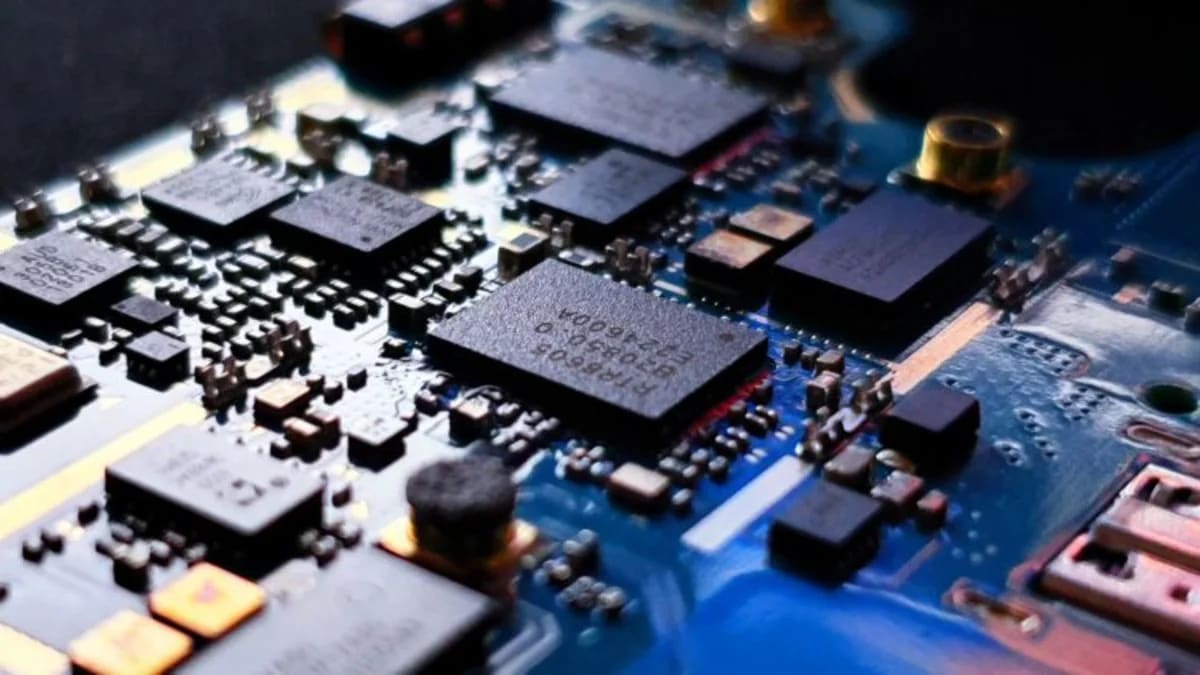
Monolithic Power Systems (MPWR) has increased its manufacturing capacity target to 6 billion units, signaling strong confidence in long-term AI infrastructure demand. The dismissal of the Bel Power Solutions lawsuit further bolsters investor sentiment, justifying the company's premium valuation.
The Strategic Expansion of Monolithic Power Systems
Monolithic Power Systems (MPWR) has recently signaled a significant shift in its long-term growth strategy by raising its manufacturing capacity target from 4 billion to 6 billion units. This move is not merely a logistical adjustment; it is a clear indicator that management anticipates a sustained, massive increase in demand for power management integrated circuits (PMICs) driven by the rapid expansion of artificial intelligence infrastructure. By preparing for a 50% increase in capacity, the firm is positioning itself to capture the long-term capital expenditure cycles of cloud hyperscalers who are currently engaged in a massive overhaul of their data center architectures.
The AI Infrastructure Supercycle
The bullish thesis for MPWR is deeply rooted in the structural shift occurring within data centers. As cloud providers transition toward larger, more power-hungry AI clusters, the complexity and volume of power management components required per server are increasing exponentially. Unlike legacy server architectures, these high-performance AI systems require sophisticated, highly efficient power delivery solutions to manage heat and energy distribution effectively. The market’s willingness to pay a valuation of 54 times next year’s earnings reflects a consensus that the growth trajectory for MPWR is not a temporary spike, but a multi-year runway fueled by the ongoing replacement of legacy server infrastructure.
Legal De-risking and Market Confidence
Beyond the operational scaling, the recent legal landscape for MPWR has shifted favorably. The dismissal of the Bel Power Solutions lawsuit is a critical development that removes a significant overhang on the company’s stock price. In the technology sector, intellectual property litigation can often act as a drag on valuation, creating uncertainty for institutional investors. With this legal hurdle cleared, the company can refocus its resources entirely on innovation and capacity expansion, effectively reinforcing the investment case and providing investors with a clearer line of sight into future profitability.
Comparing Peer Dynamics: MPWR vs. TXN and ADI
While industry stalwarts like Texas Instruments (TXN) and Analog Devices (ADI) remain dominant players in the broader analog semiconductor space, MPWR’s specific focus on high-performance power management for AI has allowed it to command a distinct premium. While TXN and ADI provide diversified portfolios across automotive and industrial sectors, MPWR is increasingly viewed as a pure-play infrastructure bet on AI acceleration. Investors are currently weighing whether this premium valuation is justified by the company's ability to maintain its technological edge in the face of increasing competition.
Future Trends and Market Sustainability
Looking ahead, the sustainability of MPWR’s growth will depend on its ability to execute its capacity expansion goals without compromising margins. If the firm can successfully ramp up to 6 billion units while maintaining its current engineering standards, it will likely cement its status as a critical supplier in the AI ecosystem. The long-term trend suggests that power efficiency will remain the primary bottleneck for AI hardware; therefore, companies that solve these thermal and energy efficiency challenges will likely see their earnings power grow significantly over the coming years, justifying the current market optimism.