Weather Office Predicts Heavy Rain, Widespread Thundershowers Across UP
Source Entity
NDTV News Search Records Found 1000
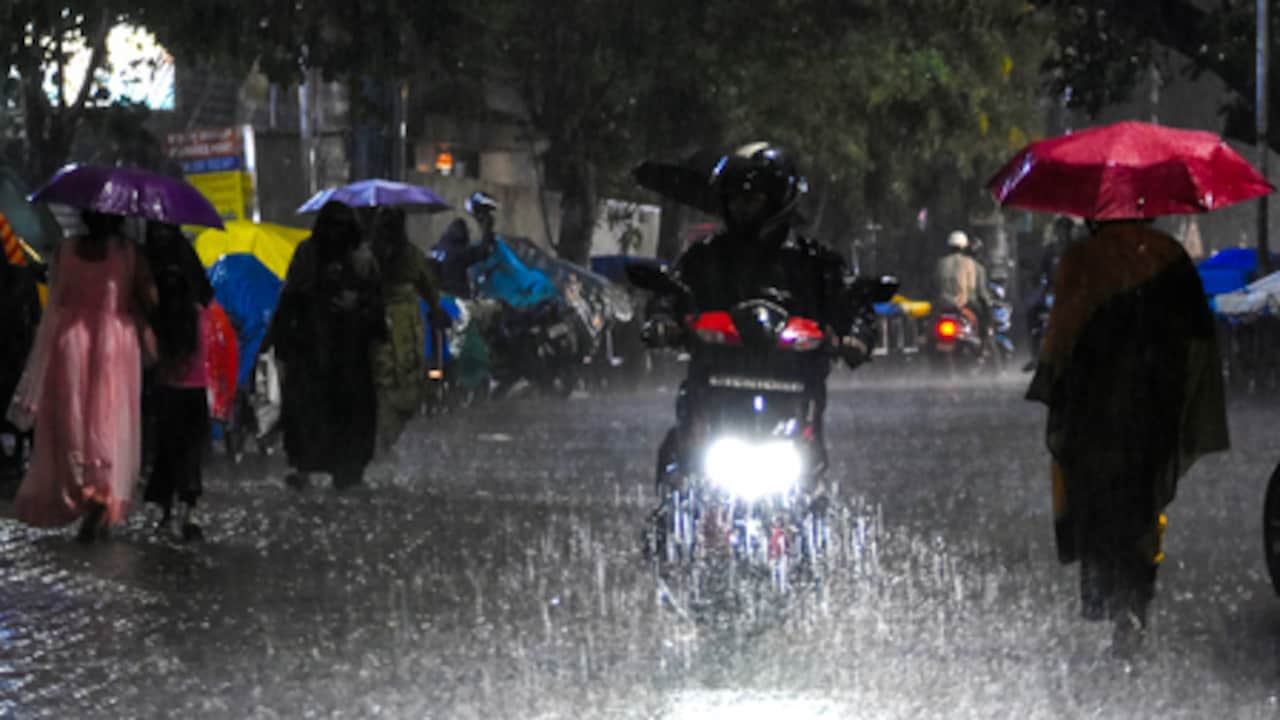
The India Meteorological Department has issued widespread rainfall alerts across North and West India, including Delhi, Mumbai, and Uttar Pradesh. A monsoon revival is driving heavy precipitation and gusty winds, prompting orange and yellow alerts for several districts.
Monsoon Revival Triggers Widespread Weather Alerts Across India
India is currently experiencing a significant meteorological shift as the monsoon undergoes a robust revival, bringing much-needed rainfall to several key regions. The India Meteorological Department (IMD) has issued a series of warnings ranging from yellow to orange alerts, signaling a period of heavy precipitation and gusty winds that are expected to impact daily life across North and West India.
Regional Impact: From Delhi-NCR to Uttar Pradesh
In the capital region of Delhi-NCR, residents woke up to refreshing showers as the monsoon revival provided relief from the heat. This trend is not localized; the IMD has also predicted widespread thundershowers across Uttar Pradesh over the coming days. These weather patterns are critical for agricultural stability and groundwater replenishment in the Indo-Gangetic plain, though they also necessitate caution due to the risk of waterlogging and traffic disruptions.
Mumbai and Coastal Maharashtra Under High Alert
The situation is particularly acute in Maharashtra. Mumbai remains under a yellow alert until July 24, as recorded rainfall at the Santacruz (48.4 mm) and Colaba (35.6 mm) observatories highlights the intensity of the current spell. The regional impact is even more severe in neighboring districts; Thane, Palghar, Raigad, and Ratnagiri have been placed under an orange alert. The disparity between the island city and the western suburbs, which reported upwards of 64 mm of rain, underscores the localized nature of these monsoon cloudbursts.
Meteorological Drivers and Infrastructure Challenges
The current weather volatility is attributed to a low-pressure system developing over the region, which acts as a catalyst for moisture convergence and heavy rainfall. In urban centers like Mumbai, the municipal infrastructure is being tested by these intense bursts. The BMC’s automatic weather systems provide granular data that allows for better disaster management, yet the sheer volume of rain in such a short window consistently challenges drainage systems and urban mobility.
Broader Implications and Future Trends
Looking ahead, the active monsoon phase is expected to persist, keeping regional authorities in a state of high readiness. While the rainfall is vital for the Kharif crop season, the intensity of these systems—often characterized by gusty winds and heavy downpours—is becoming a recurring theme. The IMD’s five-day forecast serves as a critical tool for public safety, and residents in affected areas are advised to stay updated with local warnings as the low-pressure system evolves. The resilience of India's urban infrastructure against these erratic weather patterns remains a primary point of concern for policymakers as climate variability continues to influence monsoon behavior.
Verification Required?