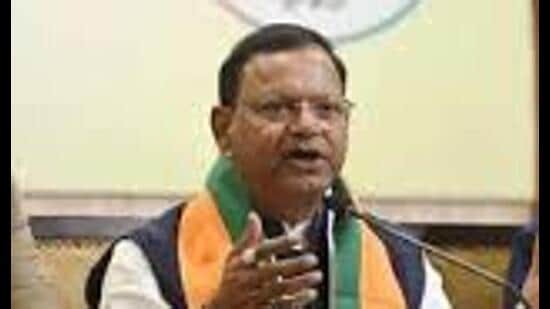
Centre ready for talks on paper leaks in Parliament, but Oppn creating disruptions: UP BJP chief
Source Entity
Latest News: Todays Latest News Headlines from India & World | Hindustan Times | Hindustan Times
The opening day of India's Monsoon Session was paralyzed by intense parliamentary disruptions and massive street protests. Opposition parties targeted the government over the NEET paper leak and temple donation issues, while police clashed with thousands of demonstrators in Delhi.
Parliament Paralyzed: Monsoon Session Begins in Chaos
The Monsoon Session of the Indian Parliament commenced on Monday, July 20, 2026, under a cloud of intense political friction. From the outset, the legislative agenda was sidelined as Opposition members from the Congress, Samajwadi Party, and Trinamool Congress stormed into the Well of the House. The primary catalysts for this upheaval were the alleged NEET paper leak—which has sparked widespread student outrage—and reports of donation theft at the Ram Temple, signaling a high-stakes confrontation between the government and the Opposition.
Street Protests and Security Escalation
Beyond the walls of Parliament, the heart of Lutyens’s Delhi transformed into a flashpoint for civil unrest. An estimated 50,000 protesters, largely mobilized by the Cockroach Janta Party (CJP), attempted to march toward the legislative complex. The scale of the demonstration forced security forces to deploy lathicharges, tear gas, and water cannons across major thoroughfares including Ashoka Road and Raisina Road. The demand remains clear: the resignation of Union Education Minister Dharmendra Pradhan, who is being held accountable by protesters for systemic irregularities in CBSE and NEET examinations.
Legislative Stagnation and Adjournments
Inside the Lok Sabha, the dysfunction was absolute. The House faced six consecutive adjournments before being called off for the day at 3 p.m. Despite the chaos, a critical piece of legislative business was transacted: Union Law Minister Arjun Ram Meghwal introduced a Bill aimed at replacing an Ordinance that increases the strength of the Supreme Court from 34 to 38 judges. This move represents a significant attempt by the government to address judicial capacity, though it remained largely overshadowed by the political theater surrounding it.
Opposition Fragmentation and Strategy
While the Opposition presented a united front in their disruption tactics, cracks in their strategic alignment were visible. The DMK, for instance, chose to prioritize the Mekedatu water-sharing issue, opting to skip a Congress-led coordination meeting. Furthermore, internal dynamics within the Trinamool Congress were highlighted by unusual seating arrangements for rebel MPs, suggesting that the Monsoon Session will be defined not just by the government-versus-opposition battle, but also by internal party realignments and shifting regional priorities.
Broader Implications and Future Trends
This session serves as a bellwether for the current political climate, where academic integrity and religious administrative scandals are being leveraged to challenge the executive branch. The intensity of the protests, coupled with the frequent disruption of parliamentary proceedings, suggests that the government will face an uphill task in passing its legislative agenda. As the session progresses, the ability of the administration to contain the fallout from the NEET controversy and maintain order in the streets of the capital will be critical to the stability of the current political order.
Conclusion
In summary, the first day of the Monsoon Session was a microcosm of the current national sentiment, characterized by deep-seated distrust and legislative gridlock. With the judiciary expansion bill pending and public pressure mounting regarding educational integrity, the coming days are likely to witness continued volatility. The government must balance its legislative ambitions with the urgent need to address the grievances of the student population and the political demands of the Opposition.
Multiple Citing Sources
Verification Required?