PM to spend first day working from northern branch of No 10
Source Entity
BBC News
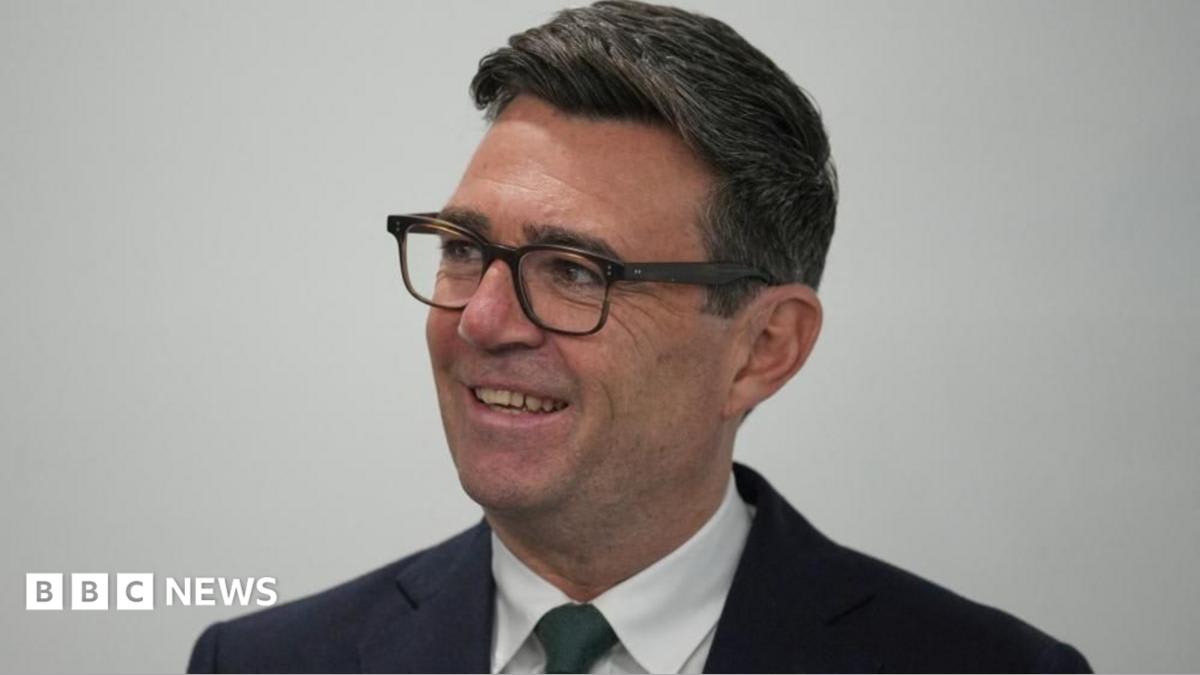
The UK government is establishing 'No 10 North' in Manchester to decentralize power and boost regional economic growth. Senior ministers, including Angela Rayner and Lucy Powell, will regularly operate from the hub, which aims to house 300 staff within 18 months.
The Shift to No 10 North: A New Era for Regional Governance
The establishment of 'No 10 North' in Manchester marks a significant departure from the traditional centralization of power in Whitehall. By positioning key ministers and civil servants in the heart of the North, the government aims to rectify a decades-long trend of resource concentration in London. This initiative is not merely symbolic; it represents a strategic pivot toward integrating regional perspectives directly into the highest echelons of policy-making.
Ministers and the Strategic Workforce
Senior figures, including Housing Secretary Angela Rayner, Education Secretary Lucy Powell, and Chancellor of the Duchy of Lancaster Louise Haigh, are slated to make the Manchester office a regular base of operations. The involvement of these specific portfolios suggests that the government is prioritizing housing, education, and administrative reform as the primary drivers of regional economic recovery. With a blueprint from the think tank Re:State calling for a staff complement of up to 300 within 18 months, the site is clearly intended to function as a fully operational extension of the executive branch.
Economic Decentralization and the National Economic Council
The ambition behind No 10 North is underscored by the Prime Minister's decision to chair a meeting of the National Economic Council in Manchester. By utilizing a committee originally designed to address national crises, the government signals that regional development is no longer a peripheral concern but a core component of the national economic strategy. The Prime Minister has explicitly characterized this move as an attempt to reverse 40 years of power being 'sucked into the centre,' highlighting a commitment to addressing the systemic neglect of communities outside the capital.
Operational Logistics and Future Scaling
Currently, the initiative is headquartered at Heron House in Manchester city center while a permanent brownfield site undergoes redevelopment. This transition phase highlights the government's urgency to establish a presence immediately, rather than waiting for long-term construction projects to conclude. The plan for Andy Burnham to begin working from the hub signifies that the leadership is committed to the physical reality of this shift, ensuring that the 'dominant driver' of the UK economy is actively engaged at the regional level.
Broader Implications and Long-Term Trends
Looking ahead, the success of No 10 North could set a precedent for future administrative decentralization. If the hub effectively streamlines communication between local leaders and national ministers, it may alleviate the 'forgotten' status of northern communities by providing them with direct access to decision-makers. The success of this model will likely be measured by the ability of these 300 staff members to foster tangible investment and economic growth that sustains the region beyond the political cycle.
Conclusion
In summary, No 10 North is a bold experiment in governance designed to rebalance the UK's economic landscape. By shifting the physical location of executive power, the government is attempting to move away from the insular nature of Westminster. Whether this leads to a permanent shift in how the UK is governed will depend on the sustained commitment of the current cabinet and the effectiveness of the administrative infrastructure currently being built in Manchester.
Multiple Citing Sources