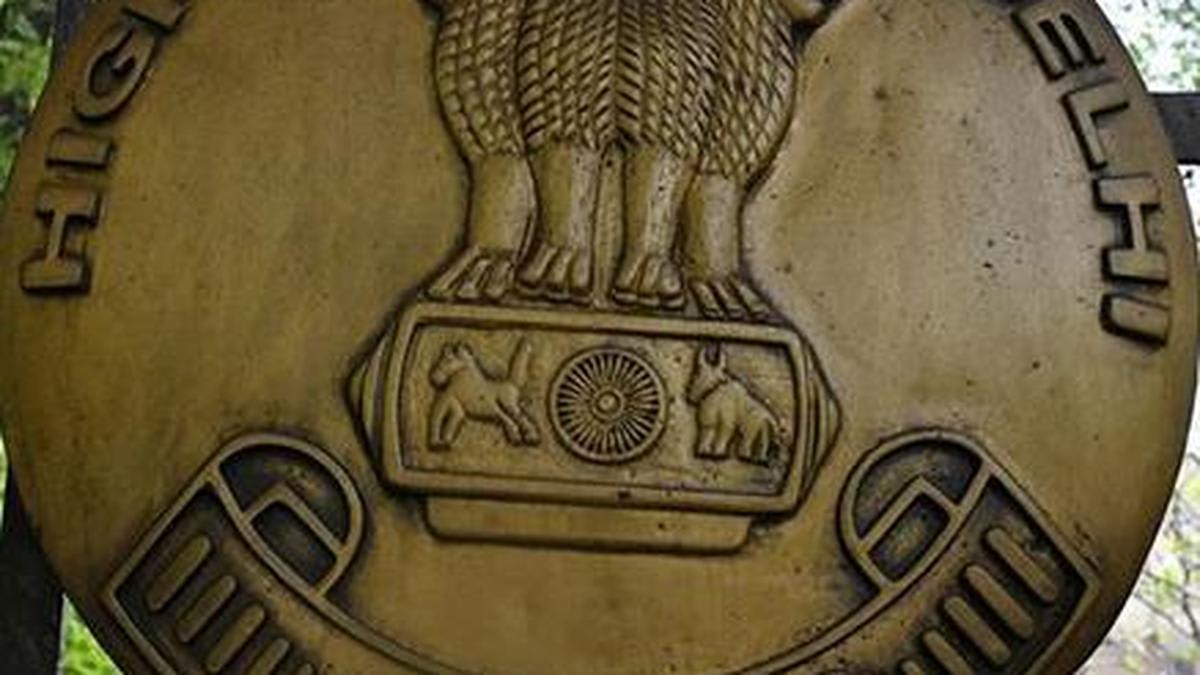
Delhi High Court notifies designated court to deal with criminal cases arising from exam paper leaks
Source Entity
India Latest News: Top National Headlines Today & Breaking News | The Hindu
The opening day of India's Monsoon Session was paralyzed by widespread protests over the NEET paper leak and Ayodhya temple donation theft. Violent demonstrations in Delhi led to police intervention, while parliamentary business was largely halted except for a bill to expand the Supreme Court.
A Turbulent Start to the Monsoon Session
The Monsoon Session of the Indian Parliament commenced on July 20, 2026, under a cloud of intense political volatility. The opening day was effectively rendered a washout as Opposition parties, including the Congress, Samajwadi Party, and Trinamool Congress, converged in the Well of the House to protest against the government. The primary triggers for this unrest were the alleged NEET paper leak and reports of donation theft at the Ram Temple in Ayodhya, signaling a confrontational legislative period ahead.
The NEET Crisis and Public Unrest
Beyond the walls of Parliament, the streets of Lutyens’s Delhi witnessed massive demonstrations. Tens of thousands of protesters, primarily organized by the Cockroach Janta Party (CJP), attempted to march toward the legislative complex. The protesters demanded the immediate resignation of Union Education Minister Dharmendra Pradhan, citing systemic failures in the NEET and CBSE examination processes. The scale of the mobilization—estimated at over 50,000 participants—overwhelmed security perimeters, forcing police to deploy lathicharges, tear gas, and water cannons across major thoroughfares like Ashoka Road and Janpath.
Legislative Stagnation and Adjournments
Inside the Lok Sabha, the atmosphere was equally charged. The House faced six consecutive adjournments before being called off for the day at 3 p.m. Despite the chaos, Union Law Minister Arjun Ram Meghwal managed to introduce a significant piece of legislation: a Bill designed to replace an Ordinance increasing the strength of the Supreme Court from 34 to 38 judges. This move represents a crucial attempt by the executive to address judicial capacity, yet its introduction was barely noted amid the cacophony of the protest-led disruptions.
Opposition Fragmentation and Strategy
While the Opposition maintained a unified front on the NEET issue, fissures were visible. The DMK, for instance, pivoted the discourse toward the Mekedatu water dispute, choosing to skip broader strategy meetings led by the Congress. Additionally, the Rajya Sabha saw Leader of the Opposition Mallikarjun Kharge frame the NEET situation as a national scam affecting the future of millions of students, setting the tone for a session likely to be dominated by accountability demands rather than policy debate.
Historical Context and Future Implications
This session takes place against a backdrop of increasing friction between the executive and the legislature regarding institutional oversight. The introduction of the Supreme Court expansion bill during such a volatile session suggests a government intent on pushing its judicial agenda despite parliamentary gridlock. As the session progresses, the ability of the ruling coalition to manage the dual pressures of street-level youth anger over exam irregularities and the persistent demand for ministerial accountability will dictate the stability of the current parliamentary term.
Conclusion: A Testing Ground for Governance
Ultimately, the washout of the first day underscores the deep-seated grievances regarding transparency in public examinations and temple administration. With the government facing both physical protests and aggressive legislative opposition, the coming days will be a critical test of parliamentary endurance. Whether the government can pivot back to routine business or remains mired in these controversies will define the legacy of this Monsoon Session.
Multiple Citing Sources
Verification Required?