Leader of Opposition Rahul Gandhi Leads Congress Protest Against Modi Govt
Source Entity
Latest News: Today's Latest News Headlines from India & World | Hindustan Times | Hindustan Times
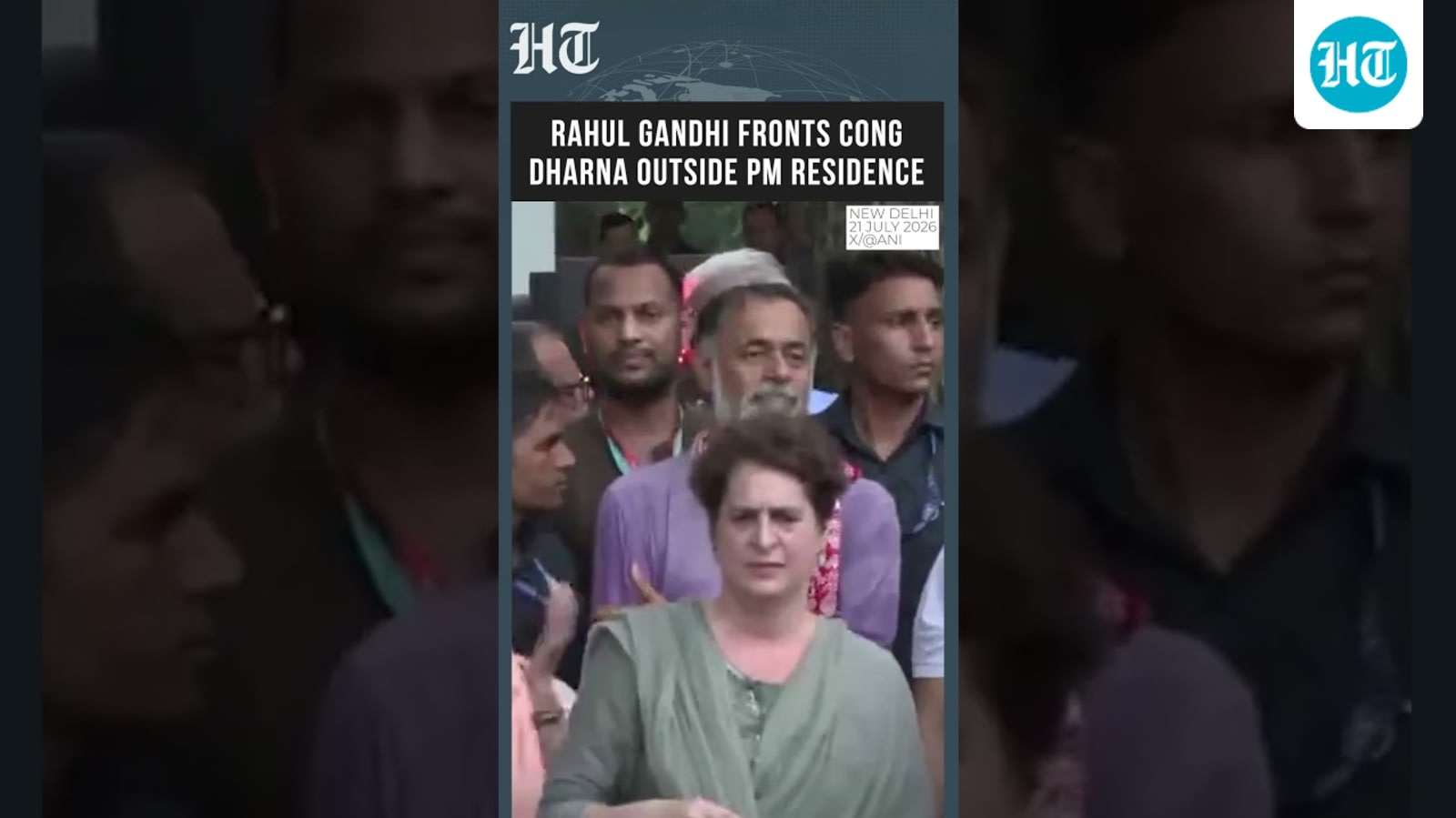
The Monsoon Session of Parliament saw immediate disruptions on its opening day due to massive protests over the NEET paper leak and Ayodhya temple donation theft. Police utilized force against thousands of demonstrators in Delhi, while legislative business remained stalled except for a bill to expand the Supreme Court.
Parliamentary Standoff: The Monsoon Session Begins in Turmoil
The Monsoon Session of India’s Parliament commenced on July 20, 2026, under a cloud of intense political confrontation and public unrest. From the onset, both the Lok Sabha and Rajya Sabha faced repeated adjournments, ultimately resulting in a total washout of the day's legislative agenda. The primary catalyst for this disruption was a unified Opposition front, including the Congress, Samajwadi Party, and Trinamool Congress, who centered their protests on the alleged NEET paper leak and reports of donation theft at the Ram Temple in Ayodhya.
The NEET Crisis and Public Outcry
At the heart of the unrest is the NEET paper leak controversy, which has sparked widespread indignation among the youth. The Cockroach Janta Party (CJP) led thousands of protesters into the heart of Lutyens’s Delhi, demanding the immediate resignation of Union Education Minister Dharmendra Pradhan. The scale of the protest—estimated at over 50,000 individuals—overwhelmed security perimeters, leading to confrontations across major thoroughfares, including Ashoka Road and Janpath. The government's deployment of lathicharge, tear gas, and water cannons highlights the volatile nature of the current student-led movement against alleged systemic exam irregularities.
Legislative Stagnation and Strategic Dissent
The legislative impact of these protests was immediate. Despite the chaos, Union Law Minister Arjun Ram Meghwal managed to introduce a significant Bill aimed at replacing an existing Ordinance. This legislation seeks to increase the strength of the Supreme Court of India from 34 to 38 judges, reflecting an attempt by the executive to address judicial capacity. However, the broader functioning of the House remained paralyzed, as opposition MPs trooped into the Well of the House to voice their grievances, effectively signaling a combative posture for the remainder of the session.
Fragmentation within the Opposition
While the Opposition presented a united front on core issues like the NEET leak, the session also revealed underlying political fissures. The DMK, for instance, chose to pivot toward the Mekedatu water-sharing issue, opting to skip a key meeting convened by the Congress party. Simultaneously, internal dynamics within the Trinamool Congress (TMC) were brought to the fore through visible changes in seating arrangements for rebel MPs, suggesting that the broader legislative session will be defined as much by internal party management as it is by external protests.
Future Trends and Political Implications
The washout of the first day sets a challenging precedent for the government. With the Opposition emboldened by the scale of the street protests and the high-stakes nature of the NEET scandal, the Parliament is likely to see continued gridlock. As the government attempts to push through judicial reforms and other policy mandates—such as the status of ethanol blending—it will face a sustained effort by the Opposition to leverage public sentiment regarding educational integrity and institutional accountability to keep the pressure on the Cabinet.
Multiple Citing Sources
Verification Required?