Jail up to 10 years, Rs 10-cr fine for exam leak: Nod for tough new law
Source Entity
Damini Nath, Harikishan Sharma, Jatin Anand
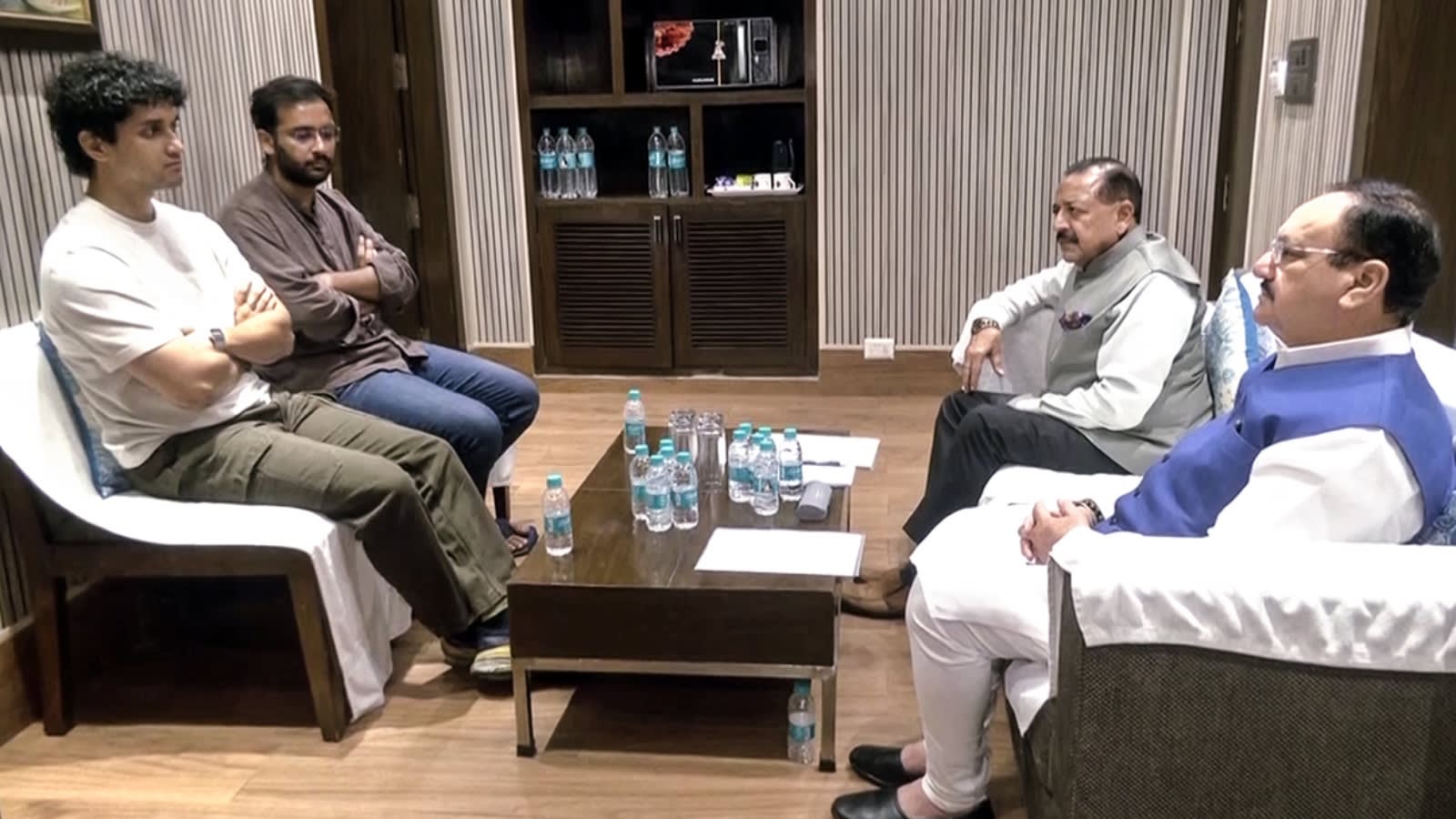
The Monsoon Session of Parliament faced immediate disruption as Opposition parties protested over the NEET paper leak and Ayodhya temple donation theft. Simultaneously, large-scale protests in New Delhi led to clashes with police, overshadowing legislative efforts like the Supreme Court judges bill.
Parliament Monsoon Session Paralyzed by Protests and Street Unrest
The Monsoon Session of Parliament commenced on July 20, 2026, under a cloud of intense political volatility. Within hours of convening, both the Lok Sabha and Rajya Sabha were forced into repeated adjournments as Opposition members from the Congress, Samajwadi Party, and Trinamool Congress trooped into the Well of the House. The primary catalysts for this legislative gridlock were allegations surrounding the NEET paper leak and reports of donation theft at the Ram Temple, signaling a session defined by aggressive accountability demands.
The NEET Controversy and Public Outcry
Central to the unrest is the NEET paper leak, which has become a rallying cry for both Opposition MPs and civil society groups. The Cockroach Janta Party (CJP) led thousands of protesters, estimated at over 50,000, in a massive demonstration across Lutyens’s Delhi. Their specific demand for the resignation of Union Education Minister Dharmendra Pradhan underscores a deepening crisis of confidence in the current administration’s management of national examination standards and CBSE irregularities.
Confrontations in the Capital
Beyond the parliamentary walls, the streets of New Delhi witnessed significant friction between security forces and demonstrators. Protesters attempted to breach barricades at various arterial roads, including Ashoka Road and Janpath, leading to the deployment of lathicharge, tear gas, and water cannons. This civilian unrest reflects the high stakes of the NEET issue, as the demographic of the protesters—predominantly young men and women—signals a growing political mobilization of the student body against perceived systemic failures.
Legislative Challenges Amidst Chaos
Despite the frequent disruptions and the eventual adjournment of the Lok Sabha at 3 p.m., the government managed a singular, critical legislative action. Union Law Minister Arjun Ram Meghwal successfully introduced a Bill to replace an Ordinance that increases the strength of the Supreme Court from 34 to 38 judges. This move represents a significant expansion of the judiciary, though its introduction was largely overshadowed by the volatile atmosphere of the floor proceedings.
Divergent Opposition Strategies
Internal dynamics within the Opposition added another layer of complexity to the session. While the primary bloc focused on the NEET and temple donation issues, the DMK opted to highlight the Mekedatu project, notably skipping a Congress-led coordination meeting. Furthermore, the session saw procedural friction, such as the attention drawn to the changed seating arrangements for rebel Trinamool Congress MPs, highlighting the fragmented nature of the current parliamentary opposition.
Implications and Future Trends
Looking ahead, the government faces a precarious path. The combination of sustained street protests and a combative Opposition suggests that the remainder of the Monsoon Session will likely remain highly confrontational. If the administration fails to address the NEET concerns through a credible inquiry or ministerial accountability, the risk of further legislative paralysis remains high. The expansion of the Supreme Court, while a structural necessity, may also become a focal point for debate as the judiciary continues to be a central arbiter of these contentious national issues.
Multiple Citing Sources