Parliament Monsoon Session Opens With Sloganeering, Chaos, Adjournments
Source Entity
NDTV News Search Records Found 1000
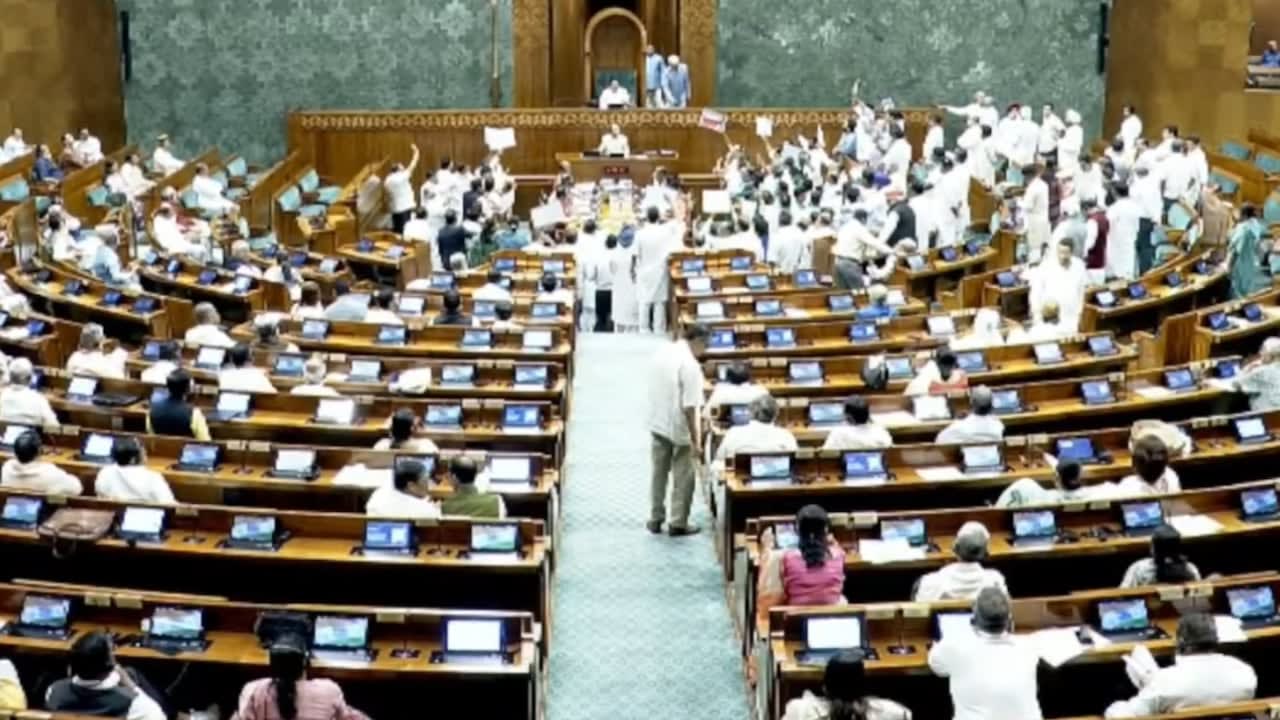
The upcoming Monsoon Session of Parliament is set for intense debate as the government seeks to push key legislation like the Women's Reservation Bill. Political tensions are rising, marked by opposition walkouts and shifting parliamentary arithmetic due to recent party realignments.
The Monsoon Session: A Crucible of Legislative Ambition and Political Friction
The commencement of the Monsoon Session of Parliament marks a pivotal moment in the nation's legislative calendar. With a packed agenda, the government is signaling a determined push to pass cornerstone legislation, most notably the Women’s Reservation Bill. This bill, having faced previous setbacks, remains a focal point of debate, particularly concerning its potential linkage to the Delimitation Bill—a connection that has sparked intense constitutional and federalist concerns among opposition ranks.
Shifting Arithmetic and the Challenge of Consensus
The parliamentary landscape has undergone significant transformation leading into this session. Recent political realignments have seen a notable shift, with 37 MPs from four anti-BJP parties moving to the ruling side. This change in numbers fundamentally alters the opposition's ability to stall or defeat government-backed proposals. As observed during the all-party meeting, the atmosphere is heavy with the weight of these new equations, leading to friction that threatens to define the tone of the upcoming debates.
The All-Party Meeting: A Microcosm of Tension
The pre-session all-party meeting served as a preview of the broader parliamentary conflict. The opposition’s walkout, triggered by the government’s inclusion of a “rebel TMC” faction, highlights the deep-seated mistrust between the ruling dispensation and the opposition. Even moments of levity, such as CPI(M) MP John Brittas’s sharp commentary on corporate-style political takeovers, underscored the underlying anxiety regarding the shrinking influence of smaller alliance partners within the government’s orbit.
Legislative Priorities and Future Implications
Beyond the headline-grabbing Women’s Reservation Bill, the session is slated to address crucial legislative frameworks, including the FCRA and the Viksit Bharat Shiksha Adhishthan. These bills represent the government's broader vision for national governance and institutional reform. The success of these bills will depend on the government's ability to manage its coalition dynamics and navigate the vocal resistance of an opposition that remains steadfast in its ideological stances—particularly regarding the Delimitation process.
The Role of Opposition Strategy
For the opposition, the session presents an existential challenge. With their numbers diminished, leaders like Congress Whip Manickam Tagore are forced to reconcile their past successes in blocking legislation with the current reality of a bolstered ruling party. The strategy of the opposition will likely focus on procedural protests and highlighting federalist concerns, even as they face the reality of a changing parliamentary majority. This session will ultimately test whether the opposition can find a unified voice despite the recent erosion of their coalition strength.
Conclusion: A Session of Consequence
As the Monsoon Session unfolds, the interplay between legislative ambition and political survival will be the defining narrative. Whether the government can secure its agenda through strategic maneuvering, or if the opposition can successfully leverage parliamentary procedure to force concessions, remains to be seen. The outcomes of the next few weeks will likely set the stage for the political discourse leading into the next electoral cycle, underscoring the high stakes involved in every vote cast on the floor of the House.
Multiple Citing Sources
Verification Required?