Weather Bee: Where is monsoon 2026 ending?
Source Entity
Latest News: Todays Latest News Headlines from India & World | Hindustan Times | Hindustan Times
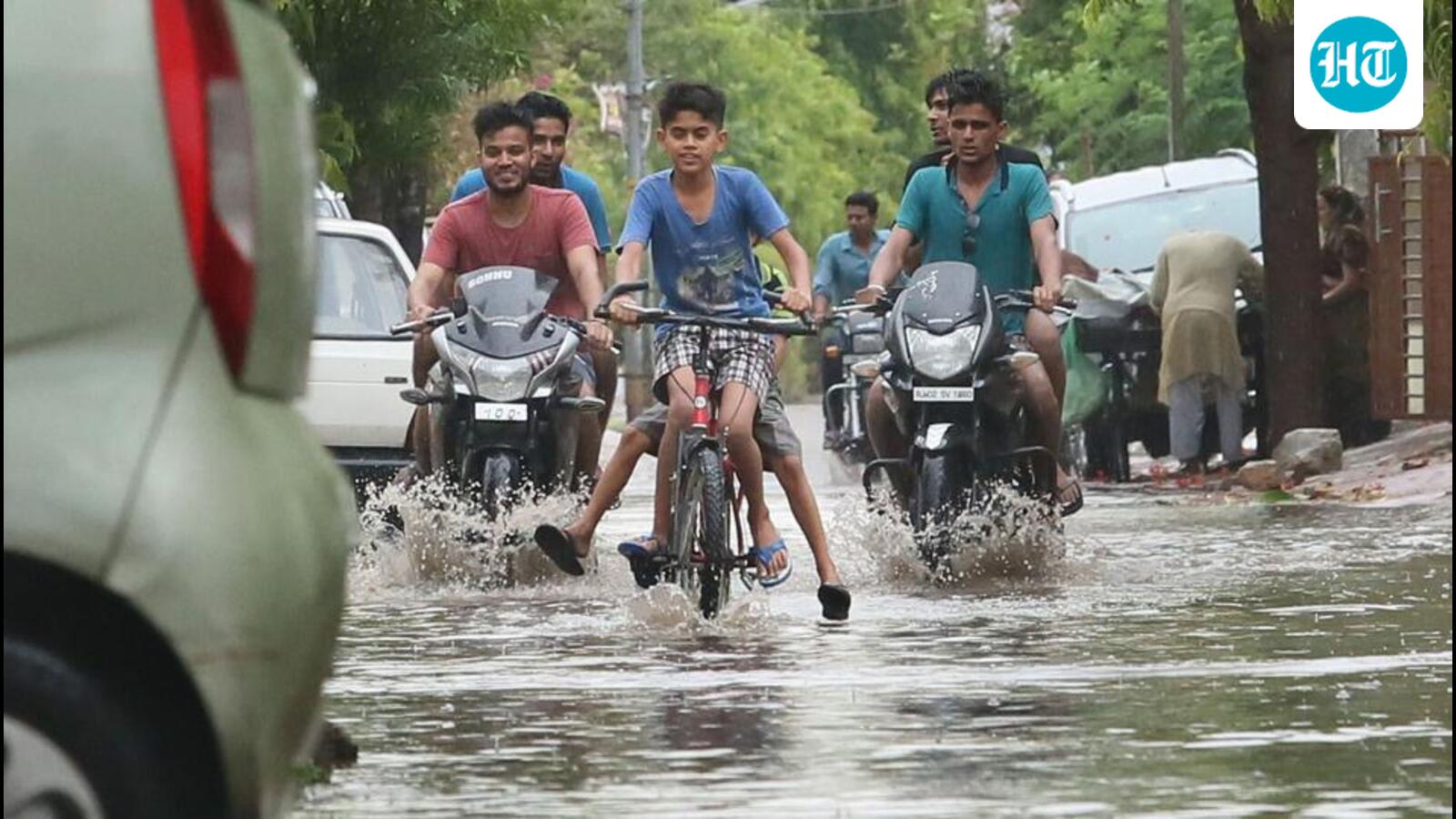
The India Meteorological Department has projected the beginning of the southwest monsoon withdrawal from west Rajasthan on September 19, 2026. This transition marks the seasonal shift toward post-monsoon conditions across the region.
The 2026 Monsoon Withdrawal: A Seasonal Shift
The India Meteorological Department (IMD) has officially signaled the beginning of the end for the 2026 southwest monsoon season. According to the latest meteorological data, the withdrawal process is expected to commence from parts of west Rajasthan on September 19. This event is a critical milestone in the Indian climatic calendar, marking the transition from the wet season to the drier post-monsoon period.
Understanding the Withdrawal Mechanism
The withdrawal of the monsoon is not an instantaneous event but a gradual meteorological process. It occurs when the seasonal low-pressure trough over the Indian subcontinent begins to shift southward as the sun moves toward the equator. The retreat from west Rajasthan is historically the first indicator of this reversal, as the region’s arid climate makes it highly sensitive to changes in moisture-laden winds.
Meteorological Implications of the September Timeline
By mid-September, the atmospheric circulation patterns typically begin to stabilize, leading to a reduction in the rainfall intensity that characterizes the peak monsoon months of July and August. The withdrawal on September 19 serves as a baseline for meteorologists to track the progress of the monsoon's exit across the rest of the country. This data is vital for agricultural planning, particularly for farmers preparing for the transition from Kharif crop harvesting to Rabi crop sowing.
Historical Context and Climate Variability
While the withdrawal date often fluctuates based on regional climate drivers, the IMD’s focus on September 19 provides a standardized anchor for analyzing the 2026 season. Historical records suggest that timely withdrawal is essential for preventing late-season flooding in certain areas and ensuring the soil moisture conditions are optimal for the upcoming agricultural cycle. Variations from this date can significantly impact crop yields and regional water storage levels.
Future Trends and Monitoring
Moving forward, the IMD will continue to monitor the retreat of the monsoon across central and northern India. The withdrawal process typically follows a structured path, moving through the northern states before eventually exiting the entire subcontinent. As climate patterns become increasingly complex, the precision of these withdrawal forecasts remains an essential tool for disaster management and resource distribution across the nation.
Conclusion
In summary, the scheduled withdrawal from west Rajasthan on September 19 is a definitive marker of the 2026 monsoon's conclusion. By synthesizing IMD data, experts can better anticipate the shifts in weather patterns that will define the coming months. This seasonal evolution is a fundamental aspect of India's environmental rhythm, influencing everything from water security to long-term agricultural economic stability.
Verification Required?