Lawrence Bishnoi outfit has 5,000 foot soldiers to take over Canada: Goldy Brar letter
Source Entity
Latest News: Todays Latest News Headlines from India & World | Hindustan Times | Hindustan Times
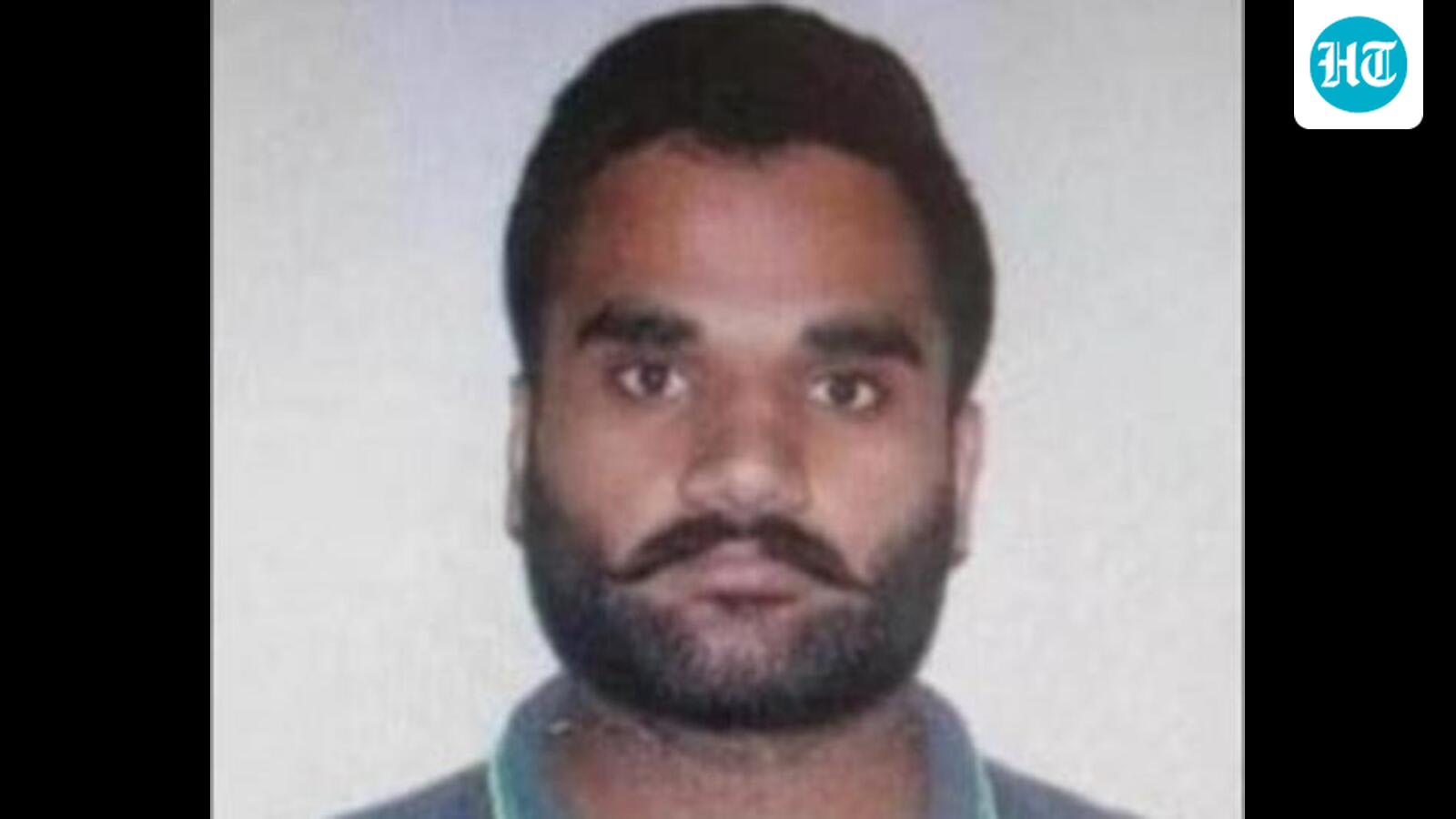
A letter sent by Goldy Brar, a lieutenant of the Lawrence Bishnoi gang, to Canadian police in 2025 claims the group has 5,000 members prepared to dominate Canada. This revelation underscores escalating concerns regarding transnational organized crime and extortion activities linked to the gang on Canadian soil.
The Escalation of Transnational Organized Crime: Analyzing the Bishnoi Gang Threat
A Direct Challenge to Sovereignty
The revelation of a letter sent in August 2025 to the Abbotsford Police Department by Satinderjeet Singh, alias Goldy Brar, marks a significant escalation in the rhetoric surrounding Indian-linked organized crime in Canada. By explicitly claiming to have 5,000 'foot soldiers' and declaring an intent to 'rule' in Canada, the Lawrence Bishnoi gang has transitioned from clandestine extortion activities to an overt, public challenge against Canadian law enforcement. This communication, recently brought to light by CBC News, serves as a chilling indicator of the audacity displayed by transnational criminal syndicates operating across international borders.
The Anatomy of the Threat
At the core of this situation is the role of Goldy Brar, who has long operated as a key lieutenant to Lawrence Bishnoi, particularly in North American territories. The specific mention of 5,000 members suggests a large-scale network capable of significant disruption. While the veracity of the total headcount remains a subject of ongoing investigation, the intent behind the letter is clear: to intimidate local authorities and project an image of insurmountable power. The gang’s focus on extortion-related activities suggests that their operations are not merely ideological but are deeply rooted in illicit financial gain.
Broader Implications for Canada
The presence of such groups in British Columbia and other parts of Canada poses a complex challenge for local police departments. Historically, law enforcement agencies are structured to combat domestic threats; however, the emergence of gangs that maintain deep ties to foreign criminal organizations requires a more sophisticated, intelligence-led approach. The fact that this letter was sent to a specific police department in Abbotsford highlights the localized impact of these global criminal networks, which threaten the safety and security of immigrant communities often targeted for extortion.
Diplomatic and Security Tensions
This development occurs against a backdrop of already strained relations and heightened scrutiny concerning the activities of foreign-based gangs on Canadian soil. The Lawrence Bishnoi gang, known for its extensive network in India, now presents a unique dilemma for Canadian authorities: how to effectively dismantle a criminal enterprise that utilizes transnational logistics and intimidation tactics. The audacity of the written threat suggests that the gang feels emboldened by the current geopolitical landscape, potentially complicating the cooperation required between Indian and Canadian security agencies.
Future Trends and Law Enforcement Response
Looking forward, this event is likely to trigger a more aggressive posture from Canadian authorities regarding organized crime. The disclosure of this letter will likely force a re-evaluation of how intelligence is shared between nations to combat such threats. If criminal organizations continue to publicly challenge state authority, it may lead to increased surveillance, international task forces, and legislative changes aimed at curbing extortion and racketeering. The situation underscores the need for a robust, coordinated global response to the phenomenon of remote-controlled criminal empires.
Verification Required?