‘400% land compensation or monthly rent’: Morbi farmers take out padayatra
Source Entity
Ritu Sharma
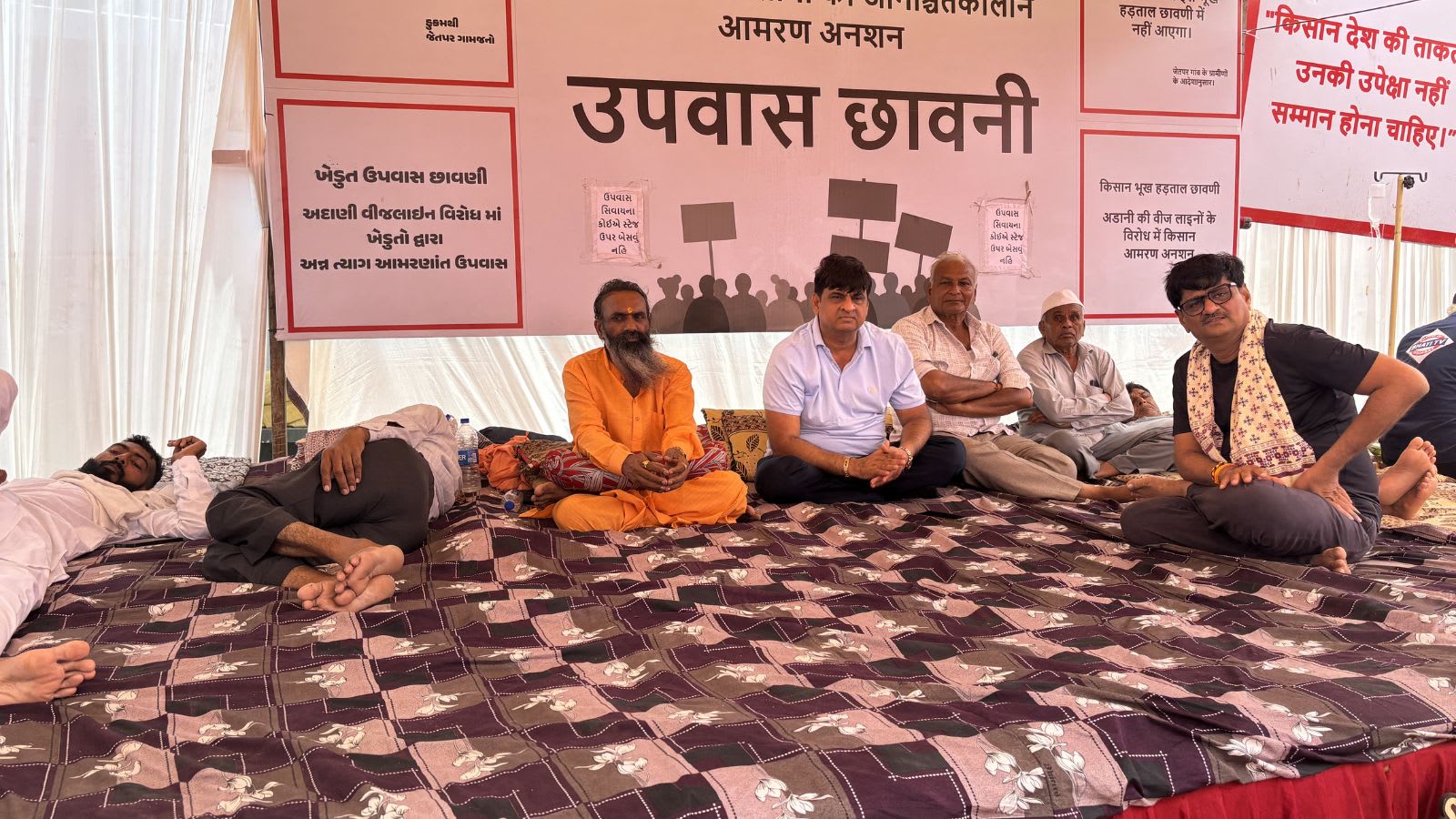
Farmers in Morbi, Gujarat, have launched a massive 'padayatra' and secured opposition from 365 village panchayats to protest a July 4 state government notification regarding land compensation, demanding either a 400% increase in payouts or a monthly rental system.
Rural Unrest in Morbi: The Fight for Fair Land Compensation
In a significant escalation of agrarian discontent, farmers in the Morbi district have initiated a widespread protest against the state government's land acquisition policies. The catalyst for this unrest is a notification issued on July 4, which has been perceived by the farming community as inadequate and unjust. The scale of the opposition is immense, with at least 365 village panchayats formally opposing the government's stance, signaling a coordinated administrative and grassroots rebellion against the state's current valuation and compensation framework.
The Core Demands and the 'Padayatra'
The protesters have coalesced around two primary demands: a substantial increase in land compensation to 400% of the current rates or the implementation of a monthly rent system for the land acquired by the state. To bring these demands to the forefront of the political discourse, hundreds of farmers have embarked on a 'padayatra' (a foot march) toward the district collector's office. This method of protest is historically significant in India, serving as a powerful symbol of peaceful resistance and collective endurance, designed to draw maximum visibility to the plight of rural populations who often feel marginalized by urban-centric policy decisions.
Analysis of the July 4 Notification
While the specific technicalities of the July 4 notification are the point of contention, the reaction suggests a deep gap between the government's valuation of agricultural land and the farmers' perception of its market value and utility. In regions like Morbi, where land is often vital for both sustenance and potential industrial development, the financial security provided by compensation is the only safety net for displaced families. The demand for 400% compensation indicates that farmers believe the state is severely underestimating the land's value, potentially to reduce the government's expenditure on large-scale projects.
The Role of Village Panchayats
One of the most critical aspects of this movement is the involvement of 365 village panchayats. When local self-governing bodies align with the protesting farmers, the movement shifts from a spontaneous gathering to a structured political challenge. This institutional opposition puts significant pressure on the district administration, as the panchayats represent the legal and social fabric of the rural community. This level of coordination suggests that the grievance is not isolated to a few land-owners but is a systemic issue affecting the entire agricultural belt of the region.
Broader Implications for Land Acquisition in India
This conflict reflects a broader, recurring theme in Indian politics: the tension between industrialization and land rights. The state's need for land for infrastructure or industrial hubs often clashes with the farmers' need for fair compensation and livelihood security. This event underscores the continuing challenges in implementing the Right to Fair Compensation and Transparency in Land Acquisition, Rehabilitation and Resettlement Act, as local disputes over 'market value' continue to trigger social unrest. The demand for 'monthly rent' is particularly noteworthy, as it suggests a desire for long-term financial stability over a one-time lump sum payment, reflecting an evolving approach to economic security among the peasantry.
Future Outlook and Conclusion
Looking ahead, the resolution of this standoff will depend on the state government's willingness to renegotiate the July 4 notification. If the administration remains rigid, the 'padayatra' could evolve into a more prolonged agitation, potentially disrupting local administration and affecting the political climate leading up to future elections. However, if a middle ground is reached—perhaps through a revised compensation slab or a hybrid rental model—it could serve as a blueprint for resolving similar land disputes across the state. Ultimately, the Morbi protests highlight the indispensable need for transparent, participatory, and fair valuation processes in land acquisition to maintain social harmony and trust in governance.