Mortgage rates rose again amid renewed tensions with Iran
Source Entity
Yahoo Finance
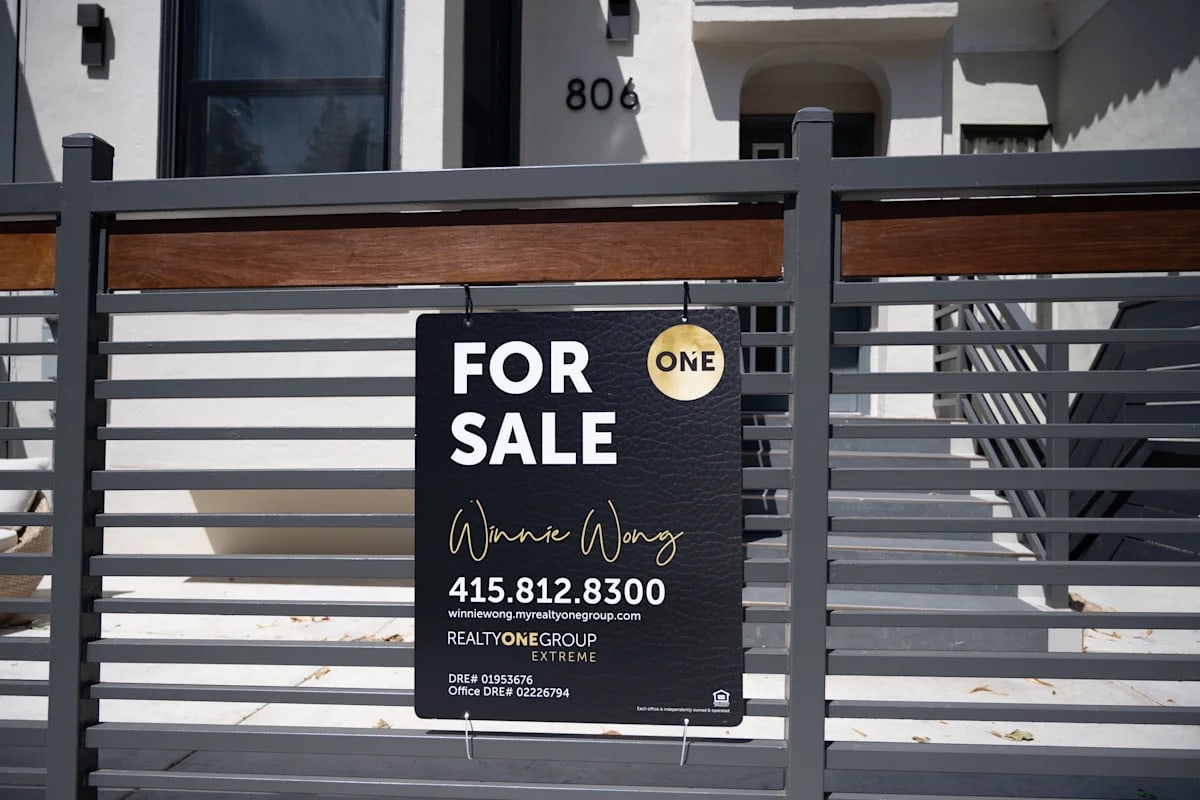
Mortgage rates have climbed to 6.55% for the average 30-year fixed-rate loan, driven by geopolitical instability between the United States and Iran which has caused oil prices to surge and increased market volatility.
Geopolitical Volatility and the Housing Market: The Impact of US-Iran Tensions
Recent data indicates a troubling upward trend in the US housing market, with the average 30-year fixed-rate mortgage climbing to 6.55%. This spike is not an isolated financial fluctuation but is directly linked to escalating geopolitical tensions between the United States and Iran. When global powers engage in direct or indirect conflict, particularly in regions critical to energy production, the ripples are felt immediately across global financial markets, manifesting in this instance as higher borrowing costs for American homeowners.
The Causal Chain: From Conflict to Interest Rates
To understand why tensions with Iran lead to higher mortgage rates, one must analyze the economic causal chain. The primary driver is the volatility of oil prices. Iran's strategic position in the Middle East means that any escalation in conflict threatens the stability of global oil supplies. As oil prices jump in response to perceived risks of supply disruption, the cost of transporting goods and producing materials increases across the board. This creates inflationary pressure throughout the economy.
Because mortgage rates are closely tied to the yield on the 10-year Treasury note, they react sharply to inflation expectations. When investors anticipate higher inflation due to rising energy costs, they demand higher yields on government bonds. Mortgage lenders, who track these yields to maintain their profit margins, subsequently raise the interest rates they charge consumers. Consequently, the geopolitical friction between the US and Iran translates directly into a more expensive monthly payment for the average homebuyer.
Implications for Homebuyers and the Real Estate Market
A rise in rates above the 6.5% threshold creates significant headwinds for the residential real estate market. For a prospective buyer, even a fractional increase in the interest rate can add hundreds of dollars to a monthly mortgage payment, effectively reducing their purchasing power and pricing many first-time buyers out of the market. This environment often leads to a decrease in home sales volume as buyers wait for rates to stabilize or decline.
Furthermore, this trend exacerbates the "lock-in effect." Homeowners who secured mortgages at historically low rates (2% to 4%) during the previous few years are now highly reluctant to sell their homes, as doing so would require them to finance a new property at the current 6.55% rate. This contraction in inventory further complicates the market, keeping home prices artificially high despite the increase in borrowing costs.
Historical Context and Future Projections
Historically, the US economy has always been sensitive to Middle Eastern instability. Previous oil shocks have demonstrated that energy-driven inflation is one of the fastest ways to trigger a shift in monetary conditions. In the current climate, where the Federal Reserve is already battling persistent inflation, external shocks like the US-Iran escalation make the central bank's job more difficult, potentially prolonging the period of high interest rates.
Looking ahead, the trajectory of mortgage rates will likely mirror the diplomatic temperature between Washington and Tehran. Should tensions de-escalate, oil prices may stabilize, potentially easing the upward pressure on Treasury yields and offering some relief to the housing market. However, if attacks continue to escalate, we may see rates push even higher, further stagnating the real estate sector and placing additional strain on the broader US economy.
Summary
The surge in mortgage rates to 6.55% serves as a stark reminder of how interconnected global politics and personal finance are. The escalation of conflict with Iran has triggered a sequence of events—rising oil prices, increased inflation expectations, and climbing bond yields—that has directly impacted the affordability of American housing. Until geopolitical stability is restored, the housing market remains vulnerable to these external shocks.