When will mortgage rates go down? For now, rates are following the Fed
Source Entity
Yahoo Finance
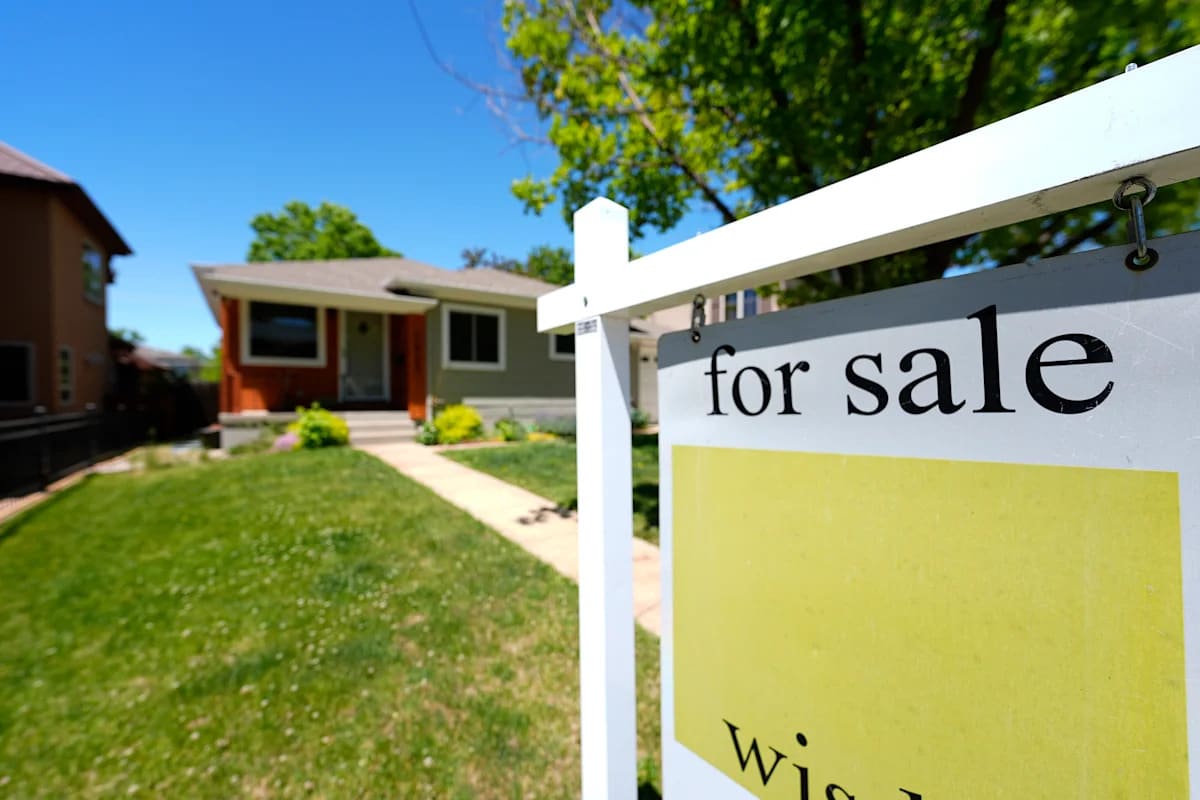
Mortgage rates have climbed to approximately 7% following Federal Reserve interest rate adjustments. Current data shows significant year-over-year increases, leaving prospective homebuyers facing higher borrowing costs.
The Current State of Mortgage Markets
The landscape for residential real estate financing is currently defined by a notable upward trajectory in interest rates. As of September 17, 2026, the average 30-year fixed-rate mortgage has reached 6.95%, reflecting a sharp 19-basis-point increase over the previous week. This trend, which correlates with broader Federal Reserve monetary policies, has effectively pushed home loan costs to the 7% threshold, creating a challenging environment for potential homeowners.
Year-Over-Year Disparity
A critical analysis of the data reveals a stark contrast when compared to the previous year. In September 2025, the average 30-year mortgage rate sat at 6.26%, meaning rates have risen by 69 basis points within a twelve-month period. This shift is not isolated to long-term loans; the 15-year fixed mortgage rate has also seen a significant uptick, landing at 6.26%—an 85-basis-point increase compared to the same period last year. These figures underscore a sustained period of tightening credit conditions.
The Federal Reserve's Influence
The core driver of this volatility remains the Federal Reserve’s interest rate strategy. While the relationship between the Fed's benchmarks and mortgage rates is complex, the current market reality shows that mortgage lenders are closely tracking these adjustments. As the Fed maintains a hawkish stance to address broader economic pressures, the secondary mortgage market has responded by increasing yields, which directly translates into higher interest rates for consumers.
Analyzing the 52-Week Range
Looking at the 52-week data provided by Freddie Mac, we see a range between 5.98% and 6.95% for 30-year fixed-rate mortgages. This range highlights the consistent pressure on borrowing costs throughout the year. The movement toward the upper end of this spectrum indicates that the market has not yet found a floor, and the anticipation of future rate cuts remains speculative rather than immediate.
Future Trends and Implications
As we look ahead, the question of when rates might reverse course remains the primary concern for the housing market. For rates to move lower, the market will likely need to see a shift in the Federal Reserve's policy trajectory, specifically a move toward easing. Until such signals are clear, borrowers should expect continued volatility. The current environment necessitates careful financial planning for those looking to enter the housing market, as the cost of capital remains significantly higher than it was at this time last year.
Conclusion
In summary, the current mortgage market is characterized by rising costs and a lack of immediate relief. With 30-year rates hovering near 7% and 15-year rates following a similar upward trend, the barrier to homeownership remains elevated. Stakeholders must continue to monitor Federal Reserve announcements and Freddie Mac reporting to gauge when a potential pivot toward lower rates might occur.