After Saharanpur masjid demolition, 2 more mosques in UP under scrutiny
Source Entity
Manish Sahu
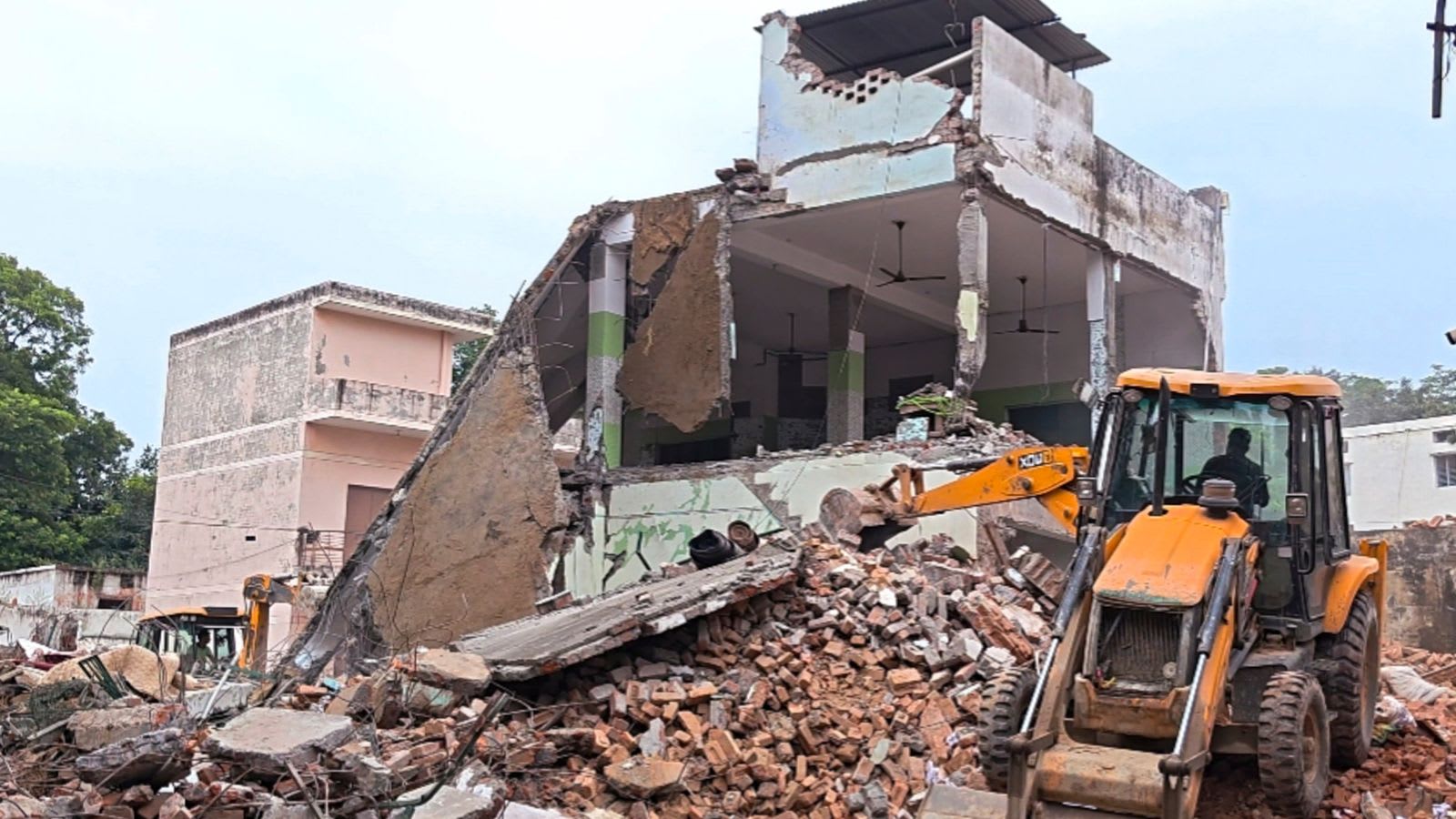
Following the demolition of an unauthorized mosque in Saharanpur, authorities in Uttar Pradesh have initiated scrutiny of two additional mosques in Moradabad and Sambhal. Local officials are investigating land legality and construction documentation for these sites.
Tensions Rise Over Mosque Land Scrutiny in Uttar Pradesh
Following the court-ordered demolition of a mosque in Saharanpur, which was ruled to be an unauthorized structure built on government land, the focus of local administrative authorities has shifted toward other religious structures in western Uttar Pradesh. This development marks a significant escalation in land-use enforcement, bringing two additional mosques under the purview of state scrutiny. The administration’s actions are framed within the context of legal compliance and municipal land regulations, yet they carry significant social implications for the region.
Administrative Inquiries in Moradabad and Sambhal
The administrative pressure is currently concentrated on two distinct locations. In Moradabad’s Pakbara area, the Mustafa Masjid, a structure occupying 300 square metres, has been served a formal notice by the Moradabad Development Authority (MDA). The notice mandates that the mosque’s caretaker, Zeeshan Fareed, provide exhaustive documentation regarding its original construction. Simultaneously, in Sambhal, the Archaeological Survey of India (ASI) has launched an inquiry into the Baba Bahauddin Shah Masjid, indicating that the scrutiny involves both municipal development laws and potential historical or archaeological oversight.
The Legal and Historical Context of Land Disputes
Land disputes involving religious structures in Uttar Pradesh are often complex, frequently involving claims that span several decades. The Mustafa Masjid, for instance, is reported by caretakers to have been in existence for approximately 40 years. This temporal depth creates a friction between long-standing community usage and modern-day land record digitization or zoning enforcement. When authorities cite 'unauthorized' status, they are typically referring to land-use violations where the structure may lack the necessary municipal permits or sits on land designated for public infrastructure.
Broader Implications for Urban Planning
These events underscore a broader trend of rigorous enforcement of municipal zoning laws across Uttar Pradesh. By targeting structures that lack clear title deeds or construction permits, the state is signaling a shift toward strict adherence to urban planning mandates. This approach, while legally framed, necessitates a delicate balance between municipal development goals and the preservation of community spaces that have served local populations for generations.
Future Trends and Community Impact
Looking ahead, it is probable that the state will continue to audit land usage for various religious and public structures to ensure alignment with current development master plans. As these inquiries progress, the burden of proof rests heavily on the caretakers to produce valid historical documentation. This trend suggests that more sites may face similar scrutiny in the coming months, likely leading to a series of legal battles as communities attempt to defend the legitimacy of their long-standing places of worship against modern regulatory standards.