Knowledge Nugget | Swachh Vayu Sarvekshan vs AQI vs SAFAR: How India keeps track of its air
Source Entity
Raveena Baneta
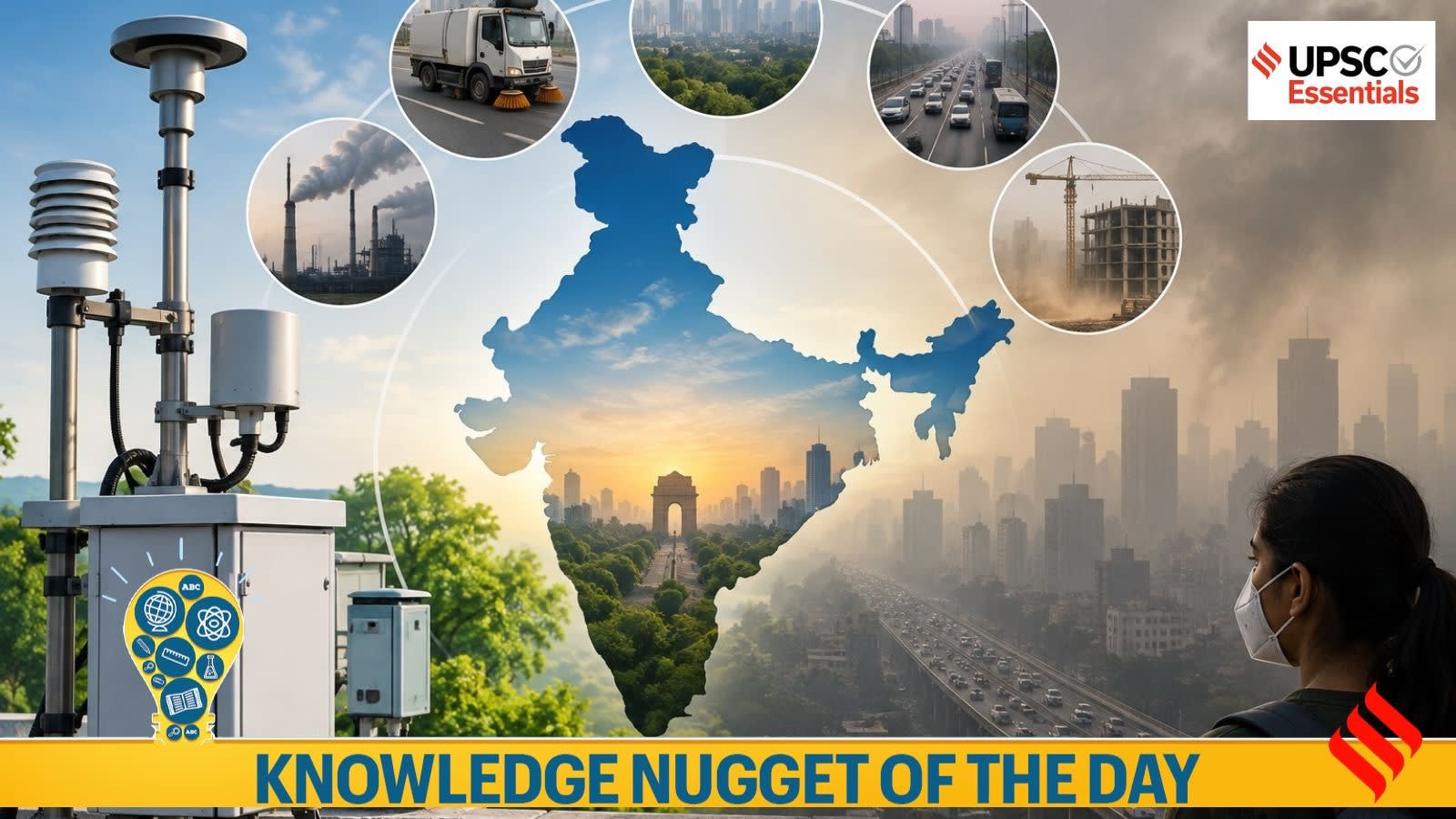
Lucknow has topped the 2026 Swachh Vayu Sarvekshan for its air quality improvement efforts, surpassing cities like Indore and Jabalpur. The ranking highlights a significant disparity in urban air management performance across major Indian cities.
Assessing India's Urban Air Quality Management
The 2026 'Swachh Vayu Sarvekshan' rankings provide a critical lens through which to view India's ongoing battle against urban pollution. By analyzing the performance of cities like Lucknow, Indore, and Jabalpur, we can discern the effectiveness of specific municipal interventions in improving air quality. Lucknow's top ranking is particularly noteworthy, as it suggests that targeted infrastructure changes can yield tangible results in the fight for cleaner urban environments.
The Mechanics of Success: Lucknow's Strategy
Lucknow's success in this year's survey is directly attributed to its strategic adoption of sustainable practices. By integrating electric vehicles into its waste collection fleet, the city has successfully reduced tailpipe emissions that contribute to localized pollution. Furthermore, the deployment of mechanized sweepers to control road dust and the systematic management of legacy waste underscore a holistic approach to air quality, moving beyond mere monitoring to active mitigation.
Benchmarking Performance: The Million-Plus Category
While Lucknow leads the pack, the performance of other major urban centers presents a complex landscape. Indore, consistently recognized as India’s cleanest city, secured the second position, with Jabalpur following in third. These rankings reflect a competitive environment that encourages municipal bodies to prioritize environmental health. However, the presence of major metropolises like Delhi and Mumbai at the 30th and 37th positions, respectively, highlights the immense challenges of managing air quality in densely populated, high-traffic urban corridors.
Understanding the Data Gap
The survey also reveals significant disparities in urban air quality management, evidenced by the bottom-five ranking of cities including Chennai, Jamshedpur, Kota, Kolkata, and Madurai. These rankings serve as a diagnostic tool for policymakers, identifying areas where current air quality management strategies are proving insufficient. For cities in the lower tier, the data suggests an urgent need to re-evaluate their reliance on traditional waste management and dust control methods.
Broader Implications for Urban Policy
The 'Swachh Vayu Sarvekshan' is not merely a ranking system but a catalyst for policy evolution. By highlighting the efficacy of electric fleets and mechanized cleaning, the survey provides a roadmap for other cities to emulate. As India continues to urbanize, the ability to balance economic growth with environmental sustainability will hinge on the scalability of these successful interventions observed in top-ranked cities.
Future Trends and Conclusion
Looking ahead, the pressure on urban centers to improve their air quality rankings is likely to intensify. As air quality measurement technologies like AQI and SAFAR become more integrated with municipal governance, we can expect a shift toward data-driven urban planning. The 2026 results confirm that while the path to cleaner air is difficult, proactive investment in sustainable infrastructure is the most effective way to improve the quality of life for millions of urban residents.