Visibly uncomfortable, Mouni Roy snaps at paparazzi: ‘Band Karo’
Source Entity
The Indian Express
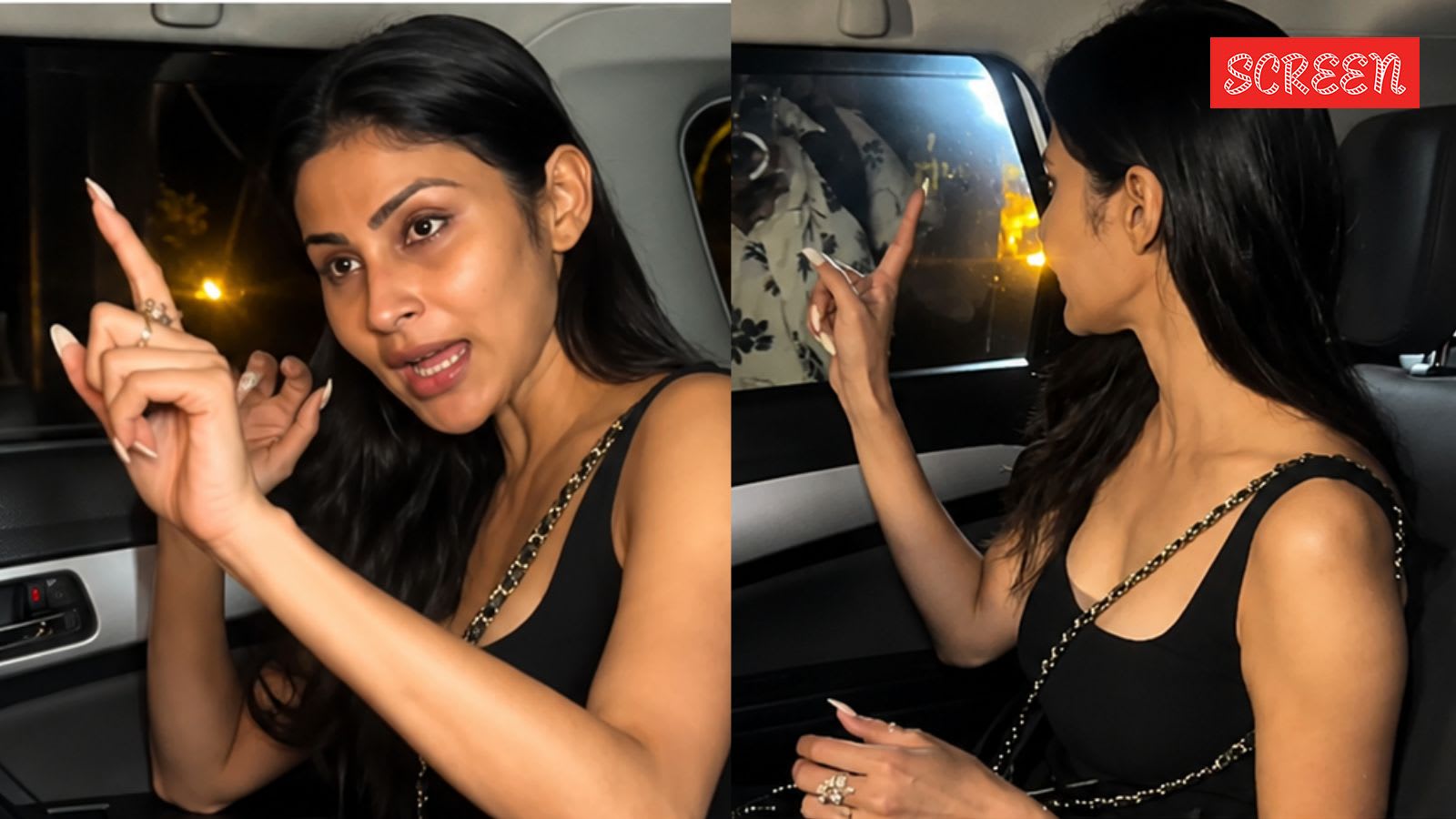
Actor Mouni Roy sparked social media conversation after a video surfaced of her losing her temper and telling paparazzi to 'Band Karo' (Stop it) during a night out with a friend.
Mouni Roy's Confrontation with Paparazzi: A Study in Privacy and Pressure
In a recent incident that has quickly captured the attention of social media users, actor Mouni Roy was filmed in a state of visible distress and frustration while interacting with the paparazzi. The encounter, which took place on a Tuesday night as the actor was heading out to meet her friend and VJ Anush, culminated in Roy snapping at the photographers with the firm command, ‘Band Karo’ (Stop it). This moment of friction serves as a stark reminder of the volatile relationship between high-profile public figures and the aggressive nature of modern celebrity journalism in India.
The Anatomy of the Incident
The core of the conflict lies in the perceived intrusion of personal space. While celebrities are accustomed to public attention, the specific circumstances of this encounter—occurring during a personal outing to meet a friend—highlighted a boundary that Roy felt was being crossed. The phrase ‘Band Karo’ was not merely a request for silence but a reaction to a perceived lack of respect for her privacy. The video, which went viral shortly after the event, captures the raw emotion of an individual feeling cornered by flashing lights and persistent questioning, illustrating the thin line between professional documentation and personal harassment.
The Culture of Intrusive Paparazzi in India
To understand the gravity of this event, one must look at the broader evolution of the 'paparazzi culture' in cities like Mumbai. Over the last decade, the industry has shifted from planned promotional shoots to a 24/7 surveillance model, where 'candid' sightings at airports, gyms, and private dinners are commodified for clicks and views. This ecosystem creates a symbiotic yet toxic relationship: celebrities rely on the visibility for brand value, but the constant pressure to be 'on' can lead to psychological burnout. Mouni Roy's reaction is a symptomatic response to this relentless cycle of surveillance that leaves little room for a private life.
Mental Toll and the 'Visibly Uncomfortable' State
The report specifically notes that Roy appeared “visibly uncomfortable,” a detail that points toward the psychological toll of fame. When a public figure reaches a breaking point, it is often the result of cumulative stress rather than a single isolated event. The act of snapping at photographers is frequently interpreted by the public as 'diva behavior,' but from a mental health perspective, it can be viewed as a defensive mechanism to reclaim autonomy over one's immediate physical environment. By demanding the cameras stop, Roy was attempting to establish a boundary in a space where such boundaries are increasingly ignored.
The Viral Cycle and Public Perception
The aftermath of the incident—the viral spread of the video—further compounds the issue. In the digital age, a few seconds of frustration are stripped of their context and judged by millions. This creates a secondary layer of pressure for the celebrity, who must then navigate the public's reaction to their 'outburst.' The discourse surrounding the clip typically splits into two camps: those who believe celebrities owe their privacy to the public in exchange for fame, and those who argue that basic human dignity and the right to a private conversation with a friend should supersede a photographer's desire for content.
Conclusion: Predicting Future Trends in Celebrity Privacy
This incident is likely a precursor to a larger trend of celebrities becoming more vocal about their boundaries. As the mental health conversation gains traction in the Indian entertainment industry, we can expect more frequent and more direct confrontations with invasive media practices. The 'Band Karo' moment is a microcosm of a larger cultural clash between the public's appetite for intimacy and the individual's need for solitude. Ultimately, this event underscores the urgent need for a standardized code of ethics for paparazzi to ensure that the pursuit of a story does not come at the cost of a person's well-being.