What Chinese liquor maker Moutai's slump says about the country's economy
Source Entity
US Top News and Analysis
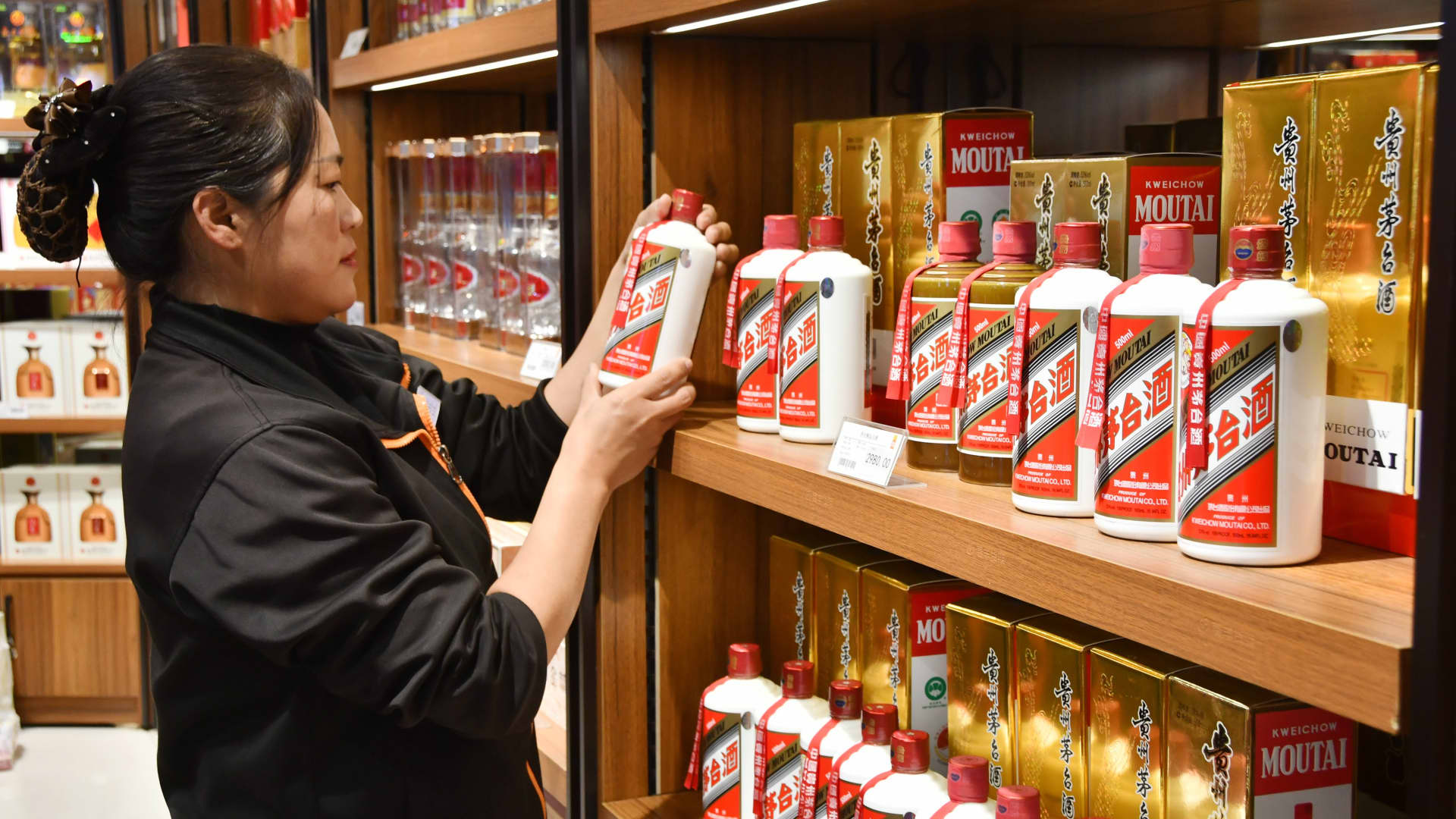
Kweichow Moutai, a long-standing bellwether for the Chinese economy, has reported a rare decline in half-year profits. This shift highlights a broader transformation in Chinese corporate culture as traditional business practices give way to the tech-focused AI era.
The Decline of a Market Bellwether: Analyzing Moutai’s Recent Slump
For decades, Kweichow Moutai has served as more than just a premium spirits manufacturer; it has functioned as a surrogate indicator for the health of the Chinese economy. The red-and-white-labeled bottles of 53% alcohol-content baijiu became synonymous with the country's rapid economic expansion, serving as the essential lubricant for government banquets and high-stakes corporate deal-making. Because the brand was so deeply integrated into the fabric of Chinese business networking, its stock performance was widely regarded as a reliable market bellwether.
A Historic Shift in Financial Performance
However, the recent half-year financial report from Kweichow Moutai reveals a significant departure from this historical trend. The company reported a 1.95% drop in net profit to 44.5 billion yuan ($6.6 billion), marking the first such decline for a first-half period since 2014. This contraction follows the company’s first annual profit drop on record, suggesting that the structural support that once buoyed the brand is undergoing a fundamental shift. When a company as historically robust as Moutai falters, it signals that the broader economic environment is experiencing a cooling effect or a change in consumption patterns.
Changing Corporate Culture and the Tech Pivot
The decline in Moutai’s performance is largely attributed to a transformation in China’s business landscape. As the nation pivots toward a tech-heavy, AI-driven economic model, the traditional rituals of business dining that once fueled massive demand for premium spirits are being re-evaluated. The modern corporate environment, which prioritizes digital efficiency and data-driven decision-making, appears less inclined to rely on the protracted, alcohol-fueled negotiations of the past. This shift suggests that the 'baijiu economy' is struggling to maintain its relevance in an era defined by rapid technological advancement.
Broader Economic Implications
This slump is not merely a localized issue for a single distillery; it reflects the challenges facing China's domestic consumption market. As the country grapples with economic headwinds, the reduction in discretionary spending on luxury goods—even those as culturally entrenched as Moutai—indicates a tightening of budgets across government and corporate sectors. The brand’s reliance on the prestige associated with business dinners is now a vulnerability in a market that is increasingly focused on austerity and technological modernization.
Future Trends and Outlook
Looking forward, Kweichow Moutai faces the difficult task of decoupling its valuation from the traditional business habits of the past. The company must navigate a transition where its brand identity, once built on the exclusivity of vintage resale prices and state-sanctioned deal-making, must now compete in a more frugal and digitally-oriented consumer landscape. If the current trajectory continues, it may force a permanent reassessment of how luxury goods are marketed in China, potentially signaling that the era of using high-end spirits as an economic barometer is coming to a close.