Movie ticket apps must disclose accessibility features for persons with disabilities: Centre
Source Entity
Somya Panwar
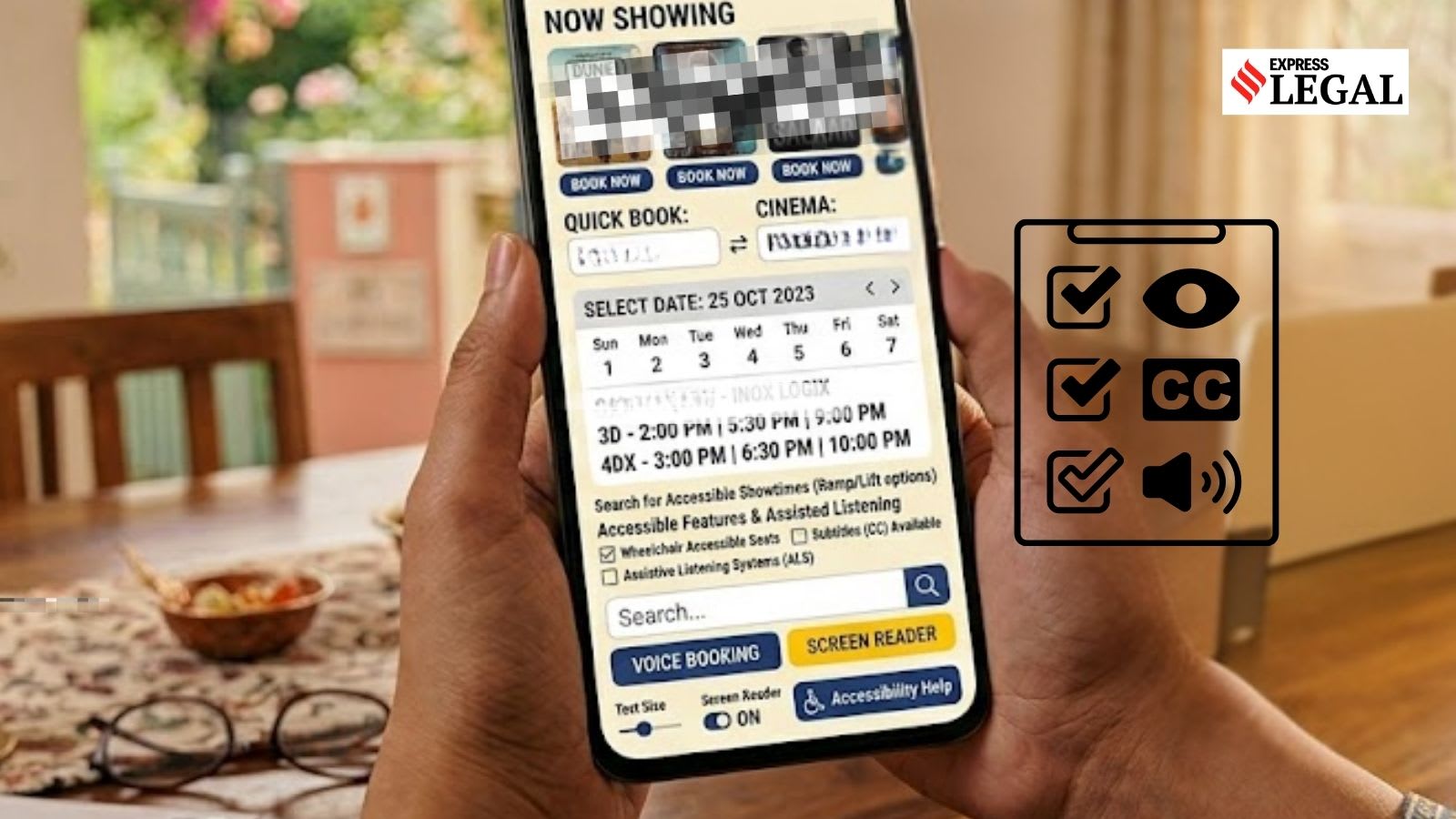
The Ministry of Information and Broadcasting has directed online movie ticket booking platforms to clearly show whether a film includes accessibility features such as audio description, closed caption...
Promoting Inclusive Cinema: Analyzing the New Accessibility Mandate for Movie Apps
In a significant move toward digital and social inclusivity, the Ministry of Information and Broadcasting has issued a directive requiring online movie ticket booking platforms to clearly disclose accessibility features for persons with disabilities. This mandate focuses on the transparency of services such as audio descriptions for the visually impaired and closed captioning for the hearing impaired. By requiring this information to be visible at the point of purchase, the government aims to remove the guesswork and frustration often experienced by disabled patrons when attempting to access mainstream entertainment.
The Core of the Directive: Transparency and Access
The primary objective of this directive is to ensure that accessibility is not an afterthought but a visible, integrated part of the consumer journey. For years, while some theaters and films offered accessibility tools, this information was often buried in fine print or required a separate phone call to the cinema manager to verify. By forcing platforms to list these features—such as audio descriptions (AD) and closed captions (CC)—directly on the booking interface, the Ministry is effectively shifting the burden of discovery from the user to the service provider. This ensures that individuals with disabilities can plan their outings with confidence, knowing exactly which screenings are compatible with their needs.
Broader Implications for the Digital Ecosystem
From a technological standpoint, this mandate necessitates a shift in how movie ticket aggregators handle metadata. Platforms will now need to collaborate more closely with film distributors and cinema owners to ensure that accessibility data is accurate and updated in real-time. This could lead to the standardization of "accessibility tags" across the industry, similar to how content ratings (U, UA, A) are currently displayed. The integration of these features into the UI/UX of popular booking apps will likely normalize the concept of inclusive design, encouraging developers to consider accessibility in other areas of the digital economy.
Alignment with the Rights of Persons with Disabilities Act
This directive does not exist in a vacuum; it is a logical extension of India's commitment to the Rights of Persons with Disabilities (RPwD) Act, 2016. The Act emphasizes the right to equality, non-discrimination, and full participation in cultural life. By targeting the digital gateway to cinema, the government is addressing a critical gap in the "last-mile" delivery of these rights. Accessibility in the arts is often overlooked in favor of physical accessibility (like ramps), but cognitive and sensory accessibility—provided through audio and visual aids—is equally vital for true social integration.
Potential Challenges in Implementation
While the mandate focuses on the disclosure of features, a critical challenge remains: the actual availability of these features in theaters. There is a risk that apps may list features that are poorly implemented or inconsistent across different cinema chains. For this directive to be truly effective, it must be paired with a push for theaters to upgrade their hardware and for filmmakers to produce high-quality audio-described tracks and captions. The disclosure requirement serves as a catalyst, essentially "outing" the theaters that lack these features and creating market pressure for cinema owners to upgrade their facilities to avoid losing a segment of their audience.
Future Trends in Inclusive Entertainment
Looking forward, it is probable that this directive is the first of many. We can expect similar mandates to extend to Over-the-Top (OTT) platforms, where accessibility standards vary wildly between providers. Furthermore, as AI-driven real-time captioning and audio-description tools become more sophisticated, we may see a move toward "personalized accessibility," where a user's app profile automatically filters for screenings that meet their specific disability needs. This move marks a transition from passive compliance to active inclusivity in the Indian entertainment sector.
Conclusion
The Ministry of Information and Broadcasting's directive is a pivotal step in transforming the cinema-going experience from an exclusive activity into an inclusive one. By mandating transparency on ticket apps, the government is empowering persons with disabilities and signaling to the entertainment industry that accessibility is a fundamental right. While the technical implementation of the disclosure is a simple first step, the long-term impact will be a more empathetic and accessible cultural landscape for all citizens.