Mukesh Khanna refused crores, won’t let Ranveer Singh play Shaktimaan: ‘He can be villain’
Source Entity
The Indian Express
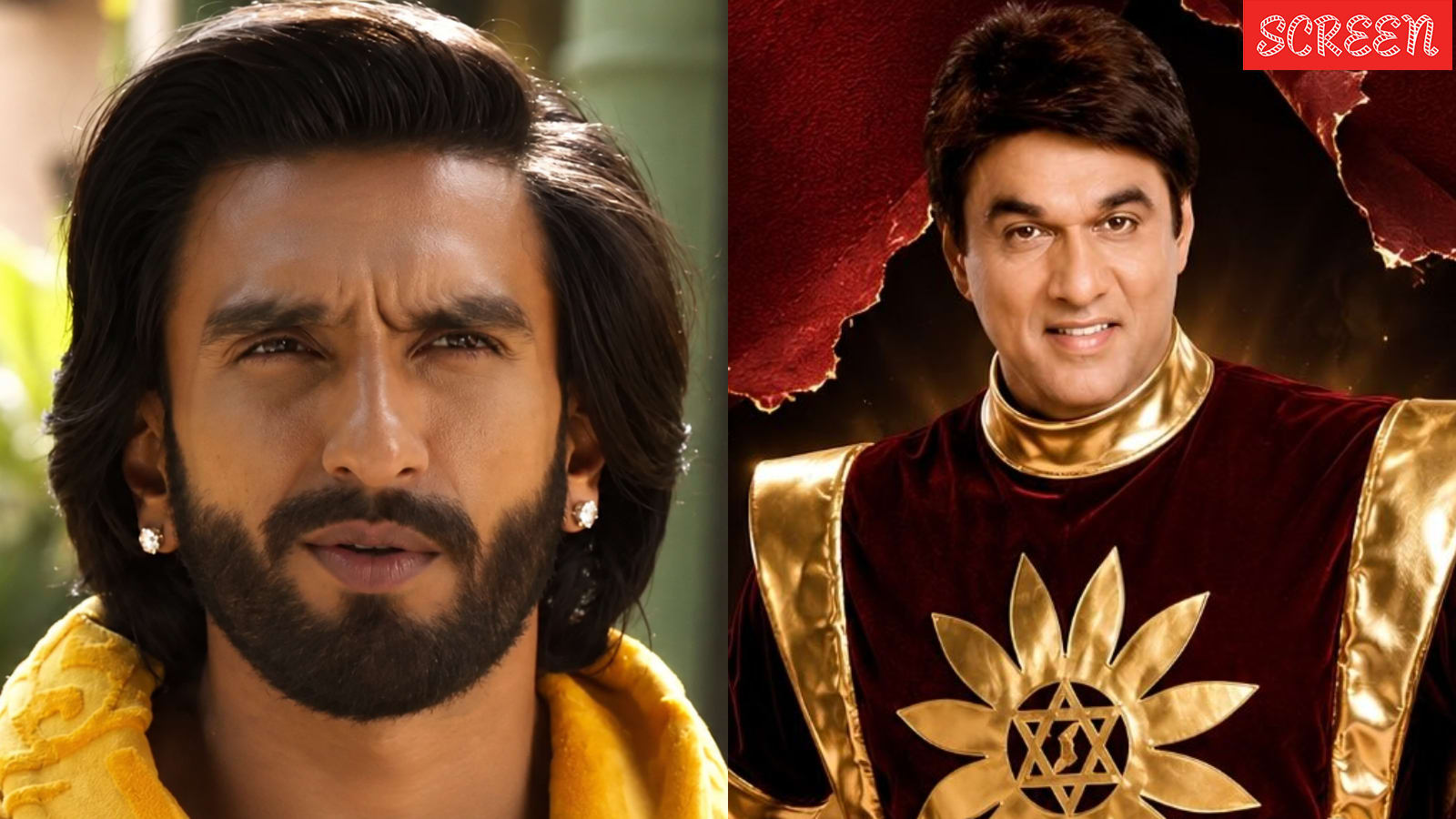
Mukesh Khanna has publicly rejected the casting of Ranveer Singh as Shaktimaan, citing a preference for a fresh face over established stars. He has blocked Sony Pictures from proceeding with the adaptation, emphasizing his protective stance over the legacy of his 90s superhero character.
The Shaktimaan Dilemma: Protecting a Cultural Icon
For an entire generation of Indian children who grew up in the 1990s, Shaktimaan was more than just a television show; it was a moral compass and a cultural phenomenon. Mukesh Khanna, the creator and lead actor of the original series, remains deeply protective of the character’s legacy. His recent public rejection of Ranveer Singh for the titular role in an upcoming film adaptation highlights the friction between modern commercial cinema and the preservation of iconic, nostalgic intellectual property.
The Case Against Star Power
Khanna’s argument centers on the perception of the actor rather than their talent. He posits that established stars like Ranveer Singh or Shah Rukh Khan carry significant 'star value' that inherently distracts from the character of Shaktimaan. By casting a household name, Khanna fears the audience will see the actor rather than the superhero. He maintains that Shaktimaan requires a 'fresh face'—a blank slate that allows the audience to suspend disbelief and accept the character as an authentic figure of righteousness rather than a celebrity in a costume.
Creative Control and Corporate Friction
Beyond the casting dispute, the situation reveals a significant standoff between the creator and major production entities. Khanna has confirmed that he has blocked both Sony India and Sony International from proceeding with the film project. This illustrates the complex nature of legacy rights in the Indian film industry, where creators often seek to maintain veto power over their creations, even when major studios are prepared to invest substantial capital. Khanna’s refusal of 'crores' underscores that his motivation is driven by creative integrity rather than immediate financial gain.
Navigating Public Perception and Legacy
Khanna has faced criticism from those who suggest he should 'move on' from the character that defined his career. However, his response—'Why should I move on? I have made Shaktimaan'—reflects a deep-seated identification with the role. For many creators of iconic 90s content, the IP represents a lifetime achievement, and the desire to prevent the 'commercialization' or 'miscasting' of such a project is a common sentiment among veteran actors who feel a paternal responsibility toward their work.
Broader Implications for Superhero Cinema in India
This incident sets a precedent for how legacy superhero properties might be handled in the future. As Indian cinema pivots toward large-scale cinematic universes, the tension between the original vision of the creator and the modern requirements of studio-driven casting will likely intensify. The success of future adaptations will depend on whether studios can satisfy both the commercial demand for star power and the purist expectations of the original creators and their devoted fan bases.
Conclusion: The Future of the Franchise
Ultimately, the fate of the Shaktimaan film remains in limbo, held hostage by the conflicting visions of its creator and the studio. Whether a middle ground can be reached—perhaps through an extensive search for the specific 'fresh face' Khanna demands—remains to be seen. For now, the narrative serves as a reminder that some cultural icons are so deeply embedded in the public consciousness that their transition to the modern screen is fraught with as much emotional complexity as it is with logistical challenges.