Mumbai 3.0 On The Cards: All About The Proposed Rs 4,000-Crore Mega City
Source Entity
NDTV News Search Records Found 1000
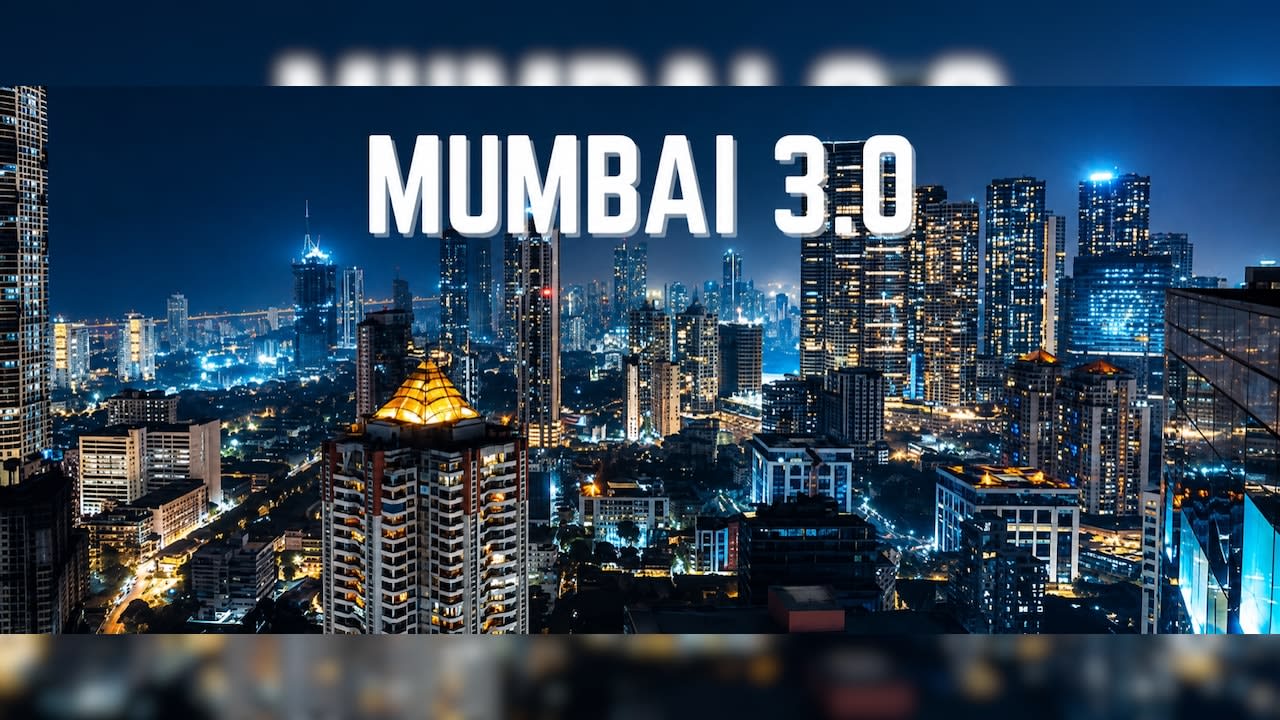
The Maharashtra government is planning the development of 'Mumbai 3.0,' a new mega-city project valued at Rs 4,000 crore. Strategically located near the Atal Setu and the upcoming Navi Mumbai International Airport, this initiative aims to expand urban infrastructure.
The Emergence of Mumbai 3.0: A Strategic Urban Vision
The Maharashtra state government has unveiled ambitious plans for 'Mumbai 3.0,' a transformative mega-city project estimated at Rs 4,000 crore. This development represents a significant shift in urban planning, aiming to decongest the existing metropolitan island city by creating a new, modern urban hub that leverages existing high-value infrastructure projects.
Strategic Location and Connectivity
A critical factor in the viability of Mumbai 3.0 is its geographic positioning. By situating the city in close proximity to the Atal Setu—the recently inaugurated Mumbai Trans Harbour Link—and the forthcoming Navi Mumbai International Airport, planners are ensuring that the new urban center is intrinsically linked to the region’s most vital logistics and transport corridors. This synergy is expected to drive economic activity and provide seamless connectivity between the new city and the existing financial capital.
Economic and Infrastructural Implications
The allocation of Rs 4,000 crore underscores the scale of state investment intended to catalyze growth in the Mumbai Metropolitan Region (MMR). Historically, urban expansion in Mumbai has been constrained by its linear geography and limited land availability. Mumbai 3.0 serves as a deliberate strategy to break these constraints, fostering a new economic zone that can accommodate the growing demands of commerce, residential expansion, and industrial development.
Catalyzing Regional Development
Beyond mere construction, the project acts as a gravitational force for development in the surrounding Navi Mumbai area. By establishing a planned city rather than relying on organic, unplanned sprawl, the government aims to create a blueprint for sustainable growth. This approach draws upon global standards of urban design, ensuring that infrastructure, utilities, and public spaces are integrated from the project's inception, rather than retrofitted as an afterthought.
Future Trends and Outlook
Looking ahead, the success of Mumbai 3.0 will likely dictate the trajectory of future urban planning in India. As India continues to urbanize at an unprecedented rate, the model of creating satellite 'mega-cities' near major infrastructure hubs is set to become the standard. If executed effectively, this project will not only ease the pressure on Mumbai's overburdened infrastructure but also serve as a lucrative investment destination, potentially attracting massive private sector interest and foreign direct investment.
Conclusion
In conclusion, Mumbai 3.0 is a bold step toward re-engineering the coastal landscape of Maharashtra. By anchoring the city near the Atal Setu and the Navi Mumbai International Airport, the government is prioritizing connectivity as the bedrock of future prosperity. While the Rs 4,000-crore investment is just the starting point, the long-term impact on regional GDP and urban quality of life could be transformative for the entire state.
Verification Required?