Mumbai AC locals: Passengers can now deboard if cooling fails after Mulund scare
Source Entity
Ishika Gupta
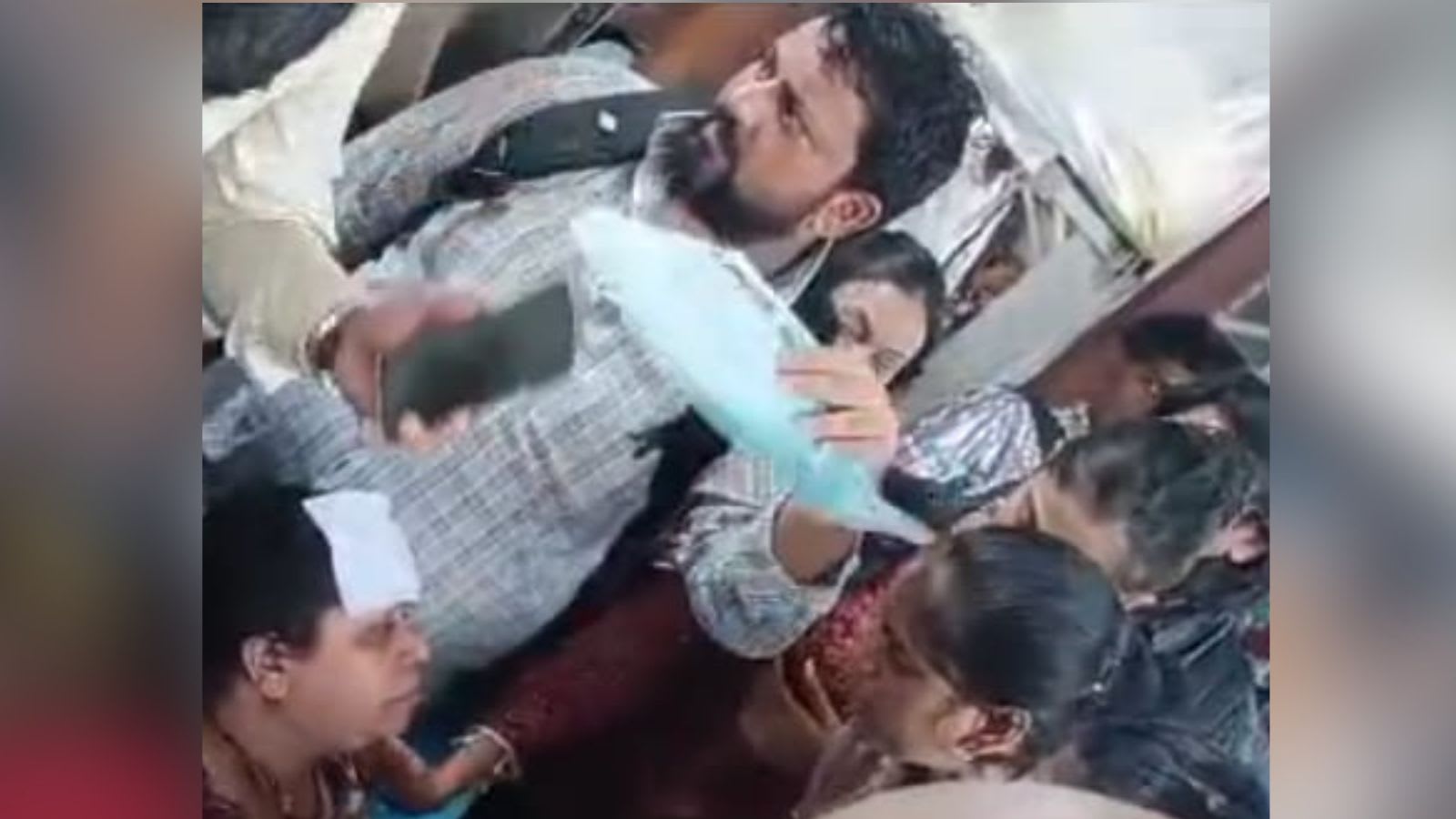
Central Railway has revised its operational guidelines for Mumbai's AC local trains, now permitting passengers to deboard if the cooling system fails. This decision follows a distressing incident at Mulund where a technical failure and locked doors trapped passengers, leading to one hospitalization.
Enhancing Passenger Safety: Central Railway's Pivot on AC Local Protocols
In a critical move toward passenger safety, the Central Railway (CR) has revised its operating guidelines for air-conditioned (AC) local trains in Mumbai. This policy shift comes as a direct response to a harrowing incident at Mulund, where a failure in the cooling system, coupled with the failure of automatic doors to open, left passengers trapped in a crowded, suffocating environment. The incident, which resulted in the hospitalization of at least one commuter, highlighted a dangerous gap in the current operational framework of Mumbai's premium transit service.
The Technical Conflict: Automation vs. Emergency Access
To understand the gravity of this policy change, one must look at the design of AC local trains. Unlike the standard non-AC locals, which have open doors for rapid boarding and alighting, AC locals utilize automatic sliding doors to maintain a temperature-controlled environment. While this provides comfort, it introduces a significant risk: if the electrical or pneumatic systems fail, passengers are effectively sealed inside. The Mulund scare demonstrated that when cooling fails in a packed carriage, the lack of ventilation quickly turns the train into a heat trap, escalating anxiety and posing severe health risks to passengers, particularly the elderly or those with respiratory issues.
The Human Cost of the Mulund Incident
The incident at Mulund served as a wake-up call for railway authorities. The psychological impact of being trapped in a locked, overheating compartment cannot be understated. When the cooling system failed and the doors remained shut, panic ensued among the commuters. The hospitalization of a passenger underscores that these failures are not merely inconveniences but potential medical emergencies. This event exposed the fragility of relying solely on automated systems without a streamlined, passenger-centric override protocol that prioritizes immediate egress during environmental failures.
Institutional Response and Policy Revision
Central Railway's decision to allow passengers to deboard during cooling failures represents a fundamental shift in priority from strict operational control to emergency flexibility. Previously, the rigidity of the AC local system favored the maintenance of the climate-controlled seal. By revising these guidelines, CR is acknowledging that the risk of heatstroke and panic outweighs the operational disruption of unplanned deboarding. This move is expected to empower train guards and station staff to take decisive action to evacuate passengers the moment a cooling failure is reported, rather than waiting for technical teams to resolve the issue while passengers remain trapped.
Broader Implications for Mumbai's Transit Infrastructure
This event occurs against the backdrop of Mumbai's ongoing effort to modernize its suburban railway network, often called the "lifeline of the city." As the city pushes for more AC rakes to improve commuter experience, the Mulund incident serves as a case study in the "automation paradox," where systems designed for comfort can become liabilities during technical glitches. The broader implication is a necessary push for more robust fail-safes. It is likely that we will see a demand for more visible and accessible manual emergency release handles and more rigorous training for on-board staff to handle rapid evacuations in sealed environments.
Conclusion: Moving Toward a Passenger-First Approach
Ultimately, the revision of the AC local guidelines is a necessary corrective measure to restore commuter confidence. While the transition to air-conditioned travel is a welcome upgrade for millions of Mumbaikars, the safety of the passengers must remain the primary objective. By allowing deboarding during cooling failures, Central Railway is implementing a pragmatic solution to a technical vulnerability. Moving forward, the focus must remain on integrating these safety protocols with better real-time monitoring to ensure that such scares do not recur, ensuring that the comfort of AC travel does not come at the cost of passenger security.