Is road sweeping adding to Mumbai’s air pollution? A court panel says yes
Source Entity
Omkar Gokhale
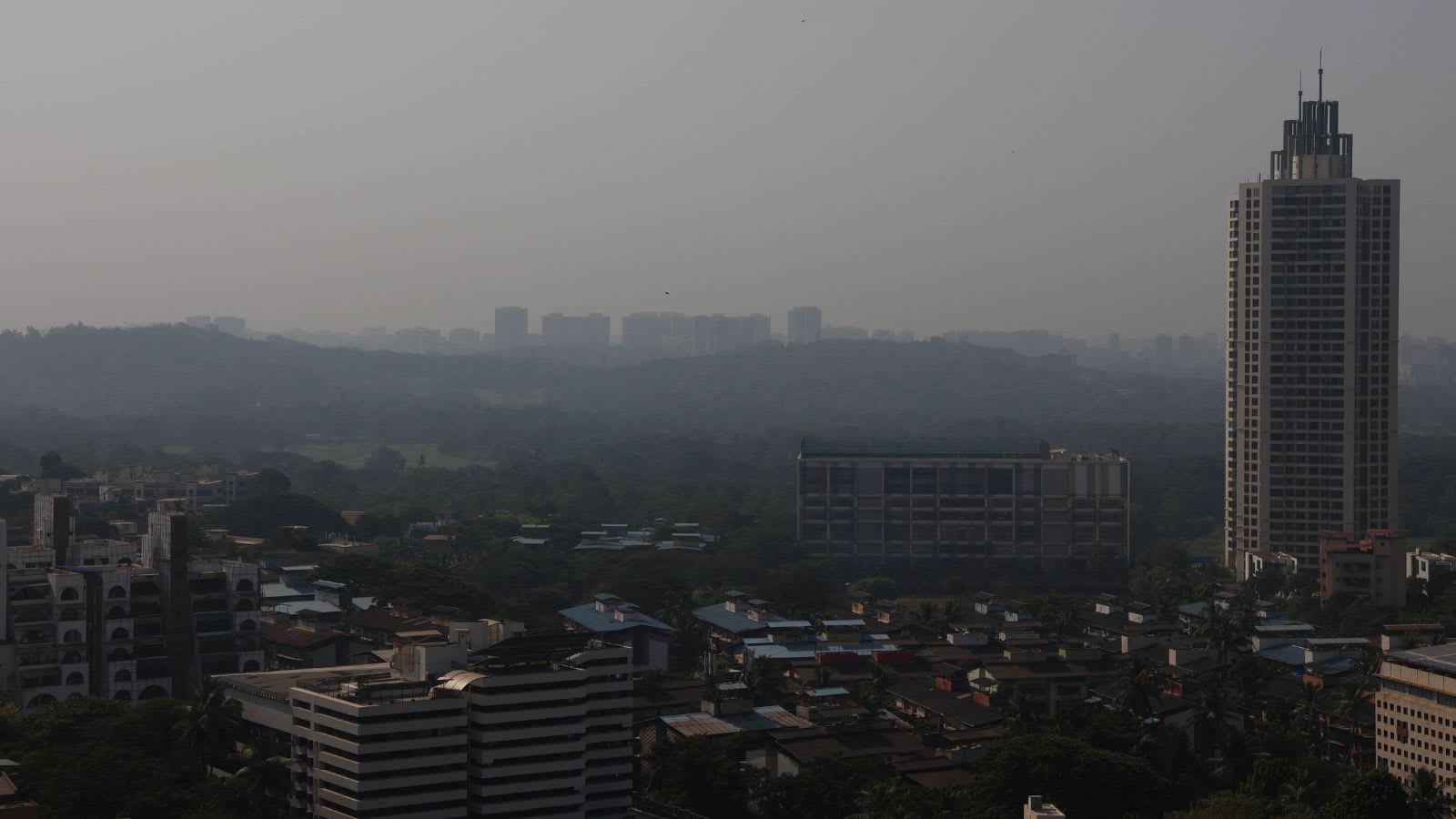
A Bombay High Court-appointed committee has identified unpaved highway shoulders as a major source of air pollution in Mumbai. The panel has ordered immediate stabilization of these roads and mandated strict construction waste disposal plans for developers.
The Crisis of Fugitive Dust in Mumbai
A recent report by a Bombay High Court-appointed High-Powered Committee has shed light on a critical environmental challenge facing the Mumbai Metropolitan Region (MMR): the contribution of unpaved highway shoulders to urban air pollution. The committee has officially classified the dust generated by vehicular movement on these neglected stretches as a 'critical emergency,' impacting not only air quality but also road safety and public health. This finding marks a significant step in judicial intervention to address the systemic failures in urban infrastructure management.
Infrastructure and Public Health Intersections
The core of the issue lies in the lack of paved or stabilized surfaces along many of Mumbai’s highways. When vehicles traverse these unpaved shoulders, they generate significant amounts of fugitive dust, which is then suspended in the atmosphere. This dust contributes to the high Particulate Matter (PM) levels that plague the city, particularly during the dry seasons. By directing road-owning agencies to identify and immediately pave these stretches, the committee is shifting the focus toward preventative engineering as a primary tool for pollution control.
Curbing Construction and Demolition Waste
Beyond road maintenance, the committee has addressed the rampant issue of Construction and Demolition (C&D) waste, which is a major contributor to the city's particulate load. The directive to withhold demolition and redevelopment permits until a 'comprehensive, end-to-end' waste disposal plan is finalized represents a stringent regulatory shift. This approach forces developers to internalize the environmental cost of their projects before they break ground, aiming to prevent illegal dumping and the subsequent pulverization of debris into airborne dust.
Strategic Pre-Winter Preparedness
Drawing a parallel to the city’s well-established flood prevention protocols, the committee has called for 'proactive pre-winter preparedness.' Traditionally, Mumbai’s civic bodies focus heavily on desilting and monsoon-related maintenance. The committee's report argues that air quality management requires the same level of institutional focus. By treating pollution as a seasonal emergency, the committee hopes to foster a culture of sustained vigilance rather than reactive, sporadic cleaning efforts.
Broader Implications and Future Trends
This judicial mandate signals a move toward stricter urban governance in India's financial capital. As Mumbai continues to expand, the tension between rapid urbanization and environmental health will likely increase. Future trends suggest that environmental compliance will become an increasingly non-negotiable aspect of municipal project approvals. The success of these directives will depend heavily on the inter-agency coordination between road-owning authorities, urban planners, and environmental regulators to ensure that these standards are not just proposed, but rigorously enforced across the MMR.