Mumbai airport, airlines clash over Navi Mumbai shift
Source Entity
India Latest News: Top National Headlines Today & Breaking News | The Hindu
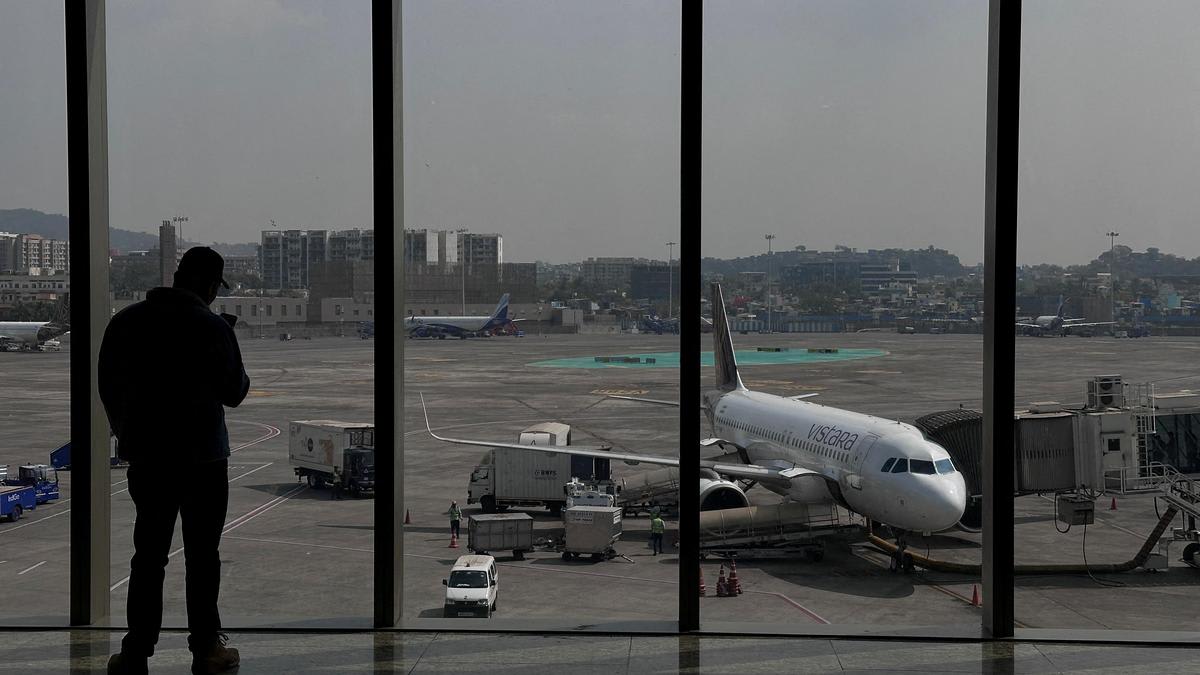
Mumbai International Airport Ltd (MIAL) is facing pushback from airlines over plans to cut 265 weekly international slots to facilitate terminal redevelopment. The dispute centers on the mandatory shift of international operations to the new Navi Mumbai airport as T1 traffic moves to T2.
Operational Friction at Mumbai's Aviation Hub
A significant operational dispute has emerged between Mumbai International Airport Ltd. (MIAL), operated by the Adani Group, and various international carriers. The conflict stems from MIAL's strategic decision to undergo a phased redevelopment of Terminal 1 (T1), which necessitates the consolidation of domestic traffic into Terminal 2 (T2). To accommodate this shift and manage capacity during the transition, MIAL has proposed a mandatory relocation of certain international services to the newly developed Navi Mumbai International Airport.
The Mechanics of the Slot Reduction
The core of the tension lies in MIAL's unilateral decision to impose a 33% reduction in international departure slots at T2. Starting at 11:59 pm on October 25, 265 out of the total 770 weekly international slots are slated for removal. MIAL has cited a lack of cooperation from airlines, noting that many carriers failed to attend a critical September 16 meeting or submit the required transition plans by the September 25 deadline. Consequently, 46 airlines, including major players like IndiGo, are facing immediate capacity constraints.
Strategic Implications for Airlines
Airlines are pushing back against the forced shift to Navi Mumbai, citing concerns over operational continuity, passenger convenience, and the logistical challenges of bifurcating their Mumbai operations. For carriers, the slot reduction at T2—the primary hub for international connectivity in Mumbai—threatens their ability to maintain profitable flight frequencies. The transition to a new, distant airport involves significant infrastructure and staffing hurdles that many airlines feel have not been adequately addressed in MIAL's current timeline.
Infrastructure Development and Capacity Constraints
This dispute highlights the broader challenges of infrastructure development in high-traffic urban centers. As MIAL executes its redevelopment plan, the goal of modernizing T1 to handle increased domestic passenger volume is clashing with the immediate needs of international carriers. The reliance on the Navi Mumbai airport as a pressure-relief valve is a long-term strategic move for the region, but the short-term friction underscores the difficulty of balancing modernization with operational stability.
Future Trends and Resolution
Looking forward, the success of Mumbai’s aviation expansion hinges on the collaborative resolution of this standoff. If MIAL proceeds with the slot cuts without airline buy-in, it risks creating significant delays and passenger dissatisfaction. Conversely, if airlines continue to resist, the redevelopment of T1 could face stagnation. The outcome of this dispute will likely set a precedent for how airport operators and airlines negotiate capacity in India’s rapidly growing aviation market, where slot management remains a critical lever for both profitability and service efficiency.
Verification Required?